In the food industry, quality and food safety always come first. However, it can happen that a consumer finds a foreign object in a product. A screw, piece of plastic, or metal can end up in the final product during the production process. What do you do when you receive such a report? In this blog, we will guide you step by step through the process of a recall and the investigation of foreign objects in products.
Step 1: Receiving a report about a foreign object
It often starts with a phone call or email from a consumer: “There was a piece of plastic in my cookie!” The first reaction? Stay calm and gather all the details. What type of material is it? How large is it? In which product and at which location was it found? What is the batch number, product code, and the best-before date?
Step 2: Initial assessment and risk analysis
Once the report is received, it is crucial to quickly assess the risks. How dangerous is the foreign object? Can it cause harm upon consumption?
In cases of a high-risk assessment, such as the possibility of choking or injury, it may be necessary to immediately withdraw products from the market and temporarily halt production. Particles of 7 mm or larger are often considered a danger to consumers. For babies or small children, this is already the case from 2 mm. In these cases, a recall is inevitable.
Step 3: Investigation in the factory
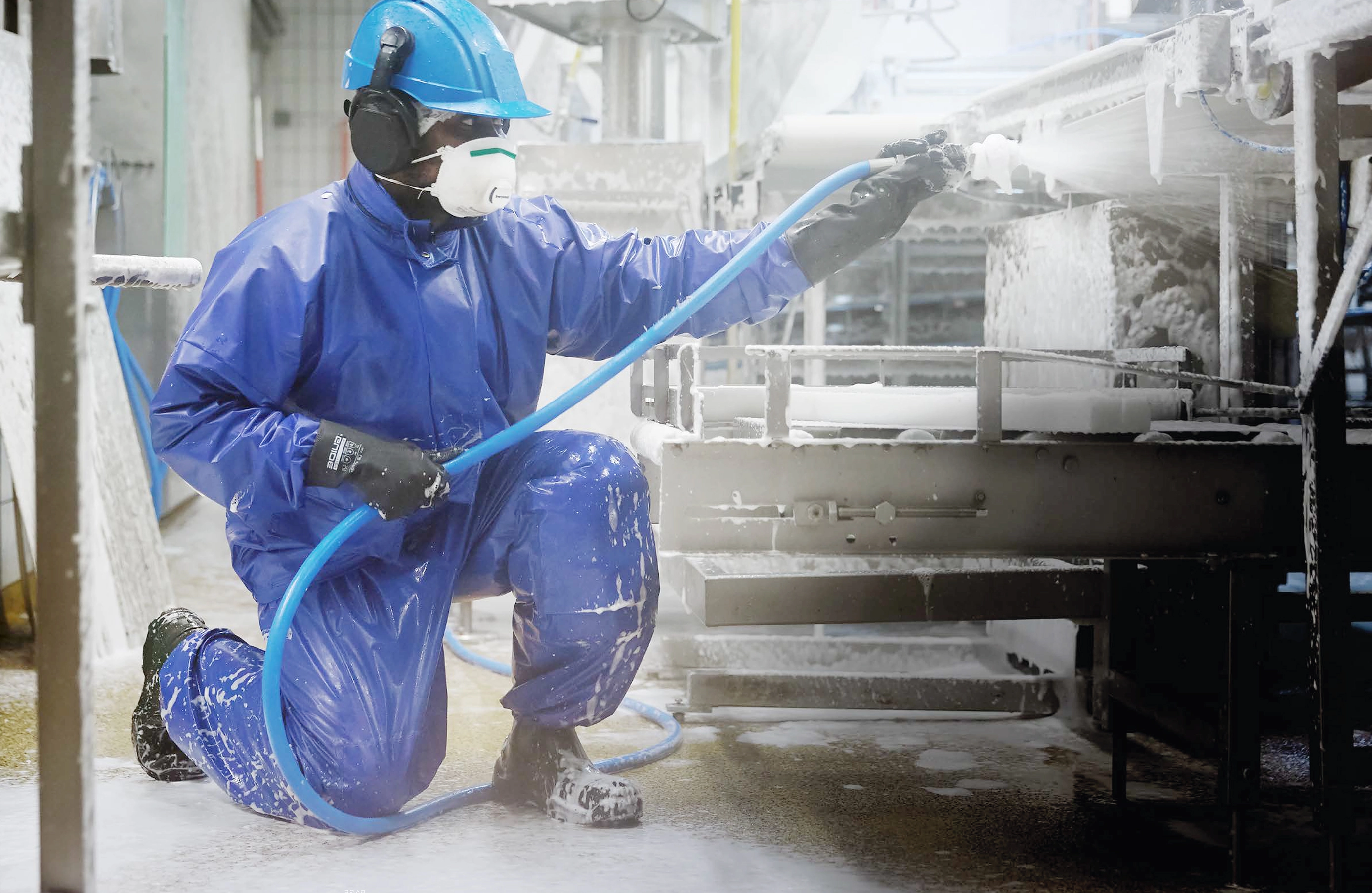
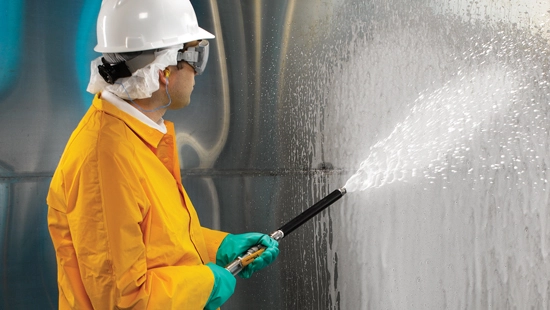
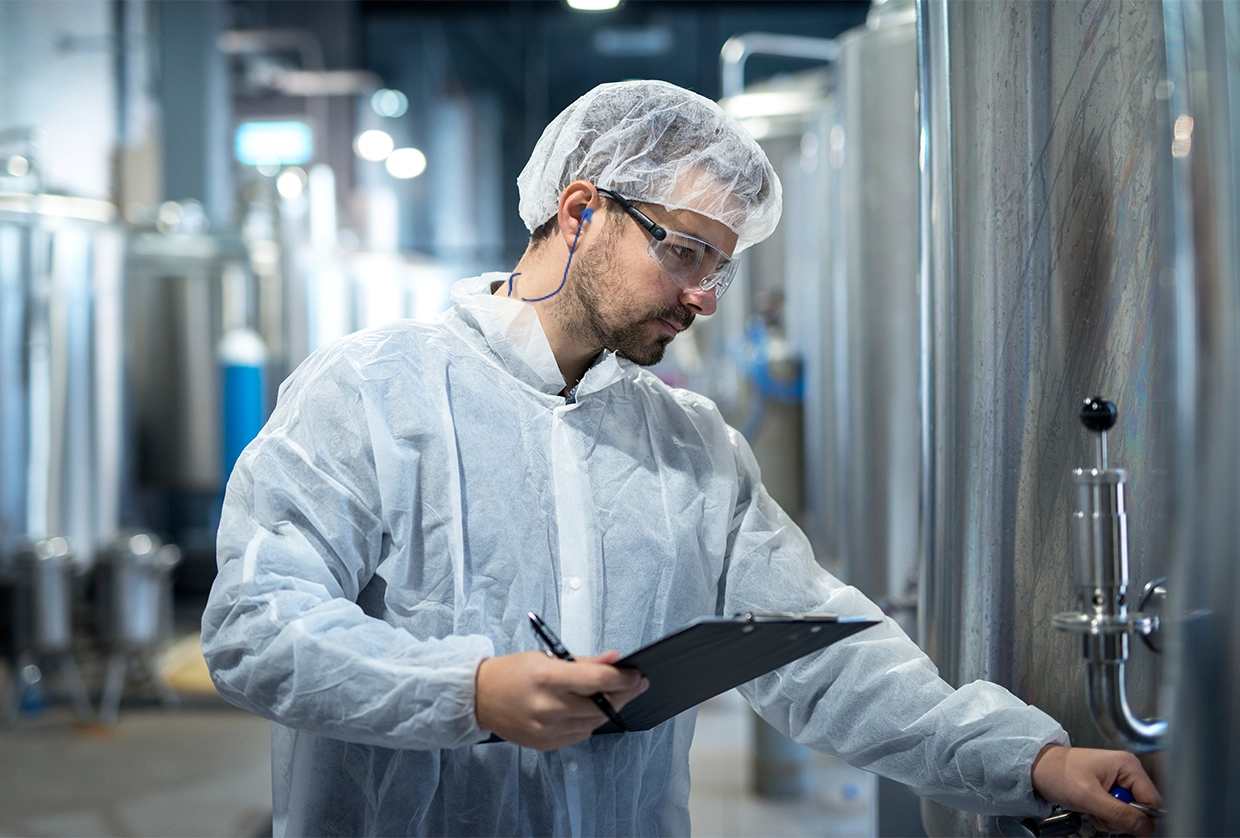
If the risk is found to be high, the internal recall procedure begins. The real detective work starts. Where did the foreign object come from? Production and batch data are reviewed to trace the cause. Are metal detection systems properly set up? Are cleaning and maintenance protocols followed? Are there any defects in materials or machinery? Perhaps it is a consequence of not adhering to personal hygiene protocols. Employees are interviewed, and footage from the production area is analyzed.
Step 5: Corrective actions
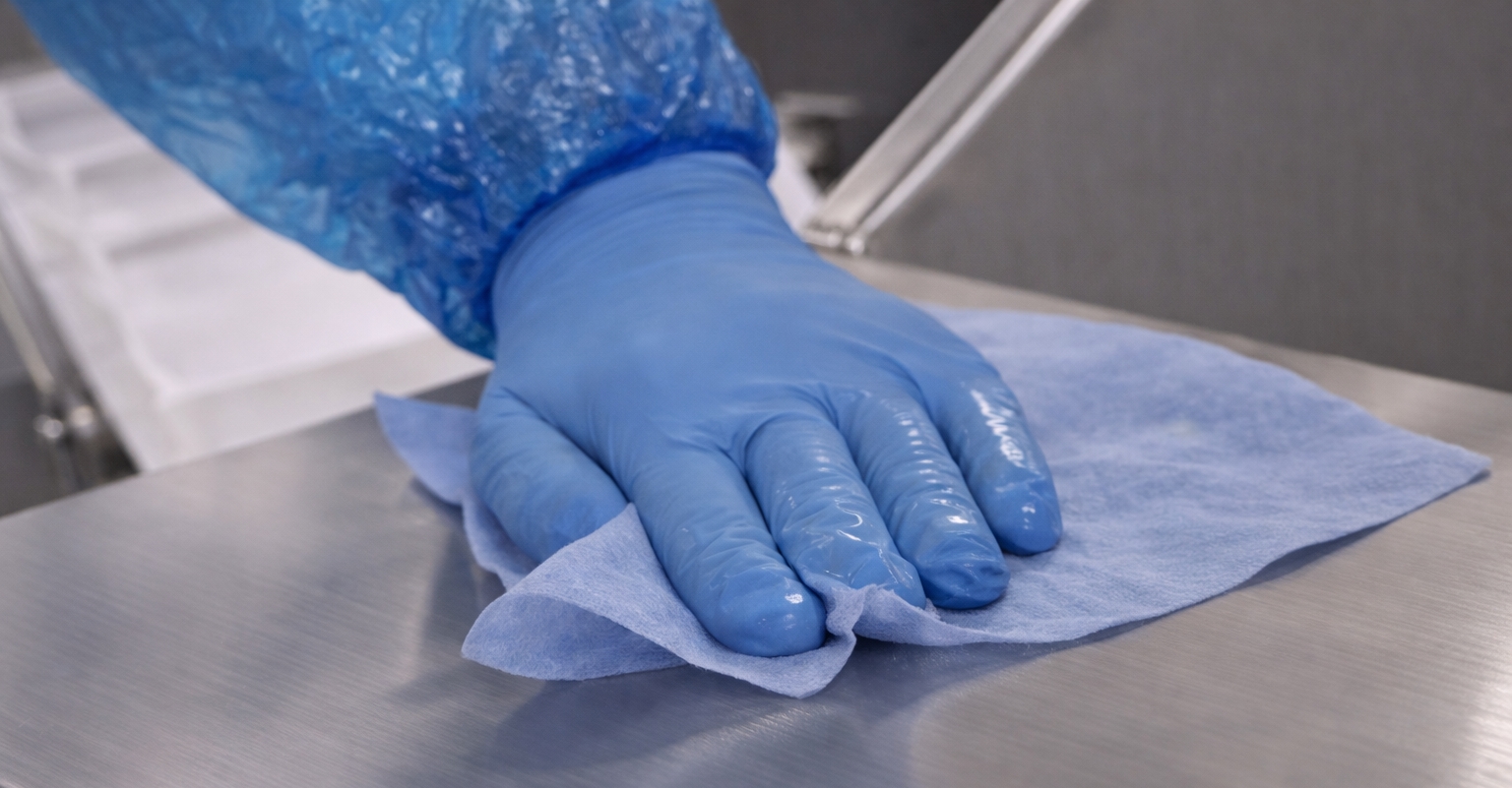
Depending on the cause, measures are taken. Is the foreign part due to a machine defect? That will be repaired. Has it occurred due to damaged cleaning materials? Inspection and replacement are necessary. Defective machines are repaired, additional inspections are conducted, and procedures are tightened up. Training for employees is also always valuable to prevent a recall in the future. Through regular reinforcement on the work floor, you create an effective food safety culture.
Example: The manufacturer organizes training for employees on critical control points (CCP's) and how deviations in the process can be recognized more quickly. This helps them to intervene preventively and minimize the chance of foreign particles.
Step 6: Documentation, reporting, and evaluation
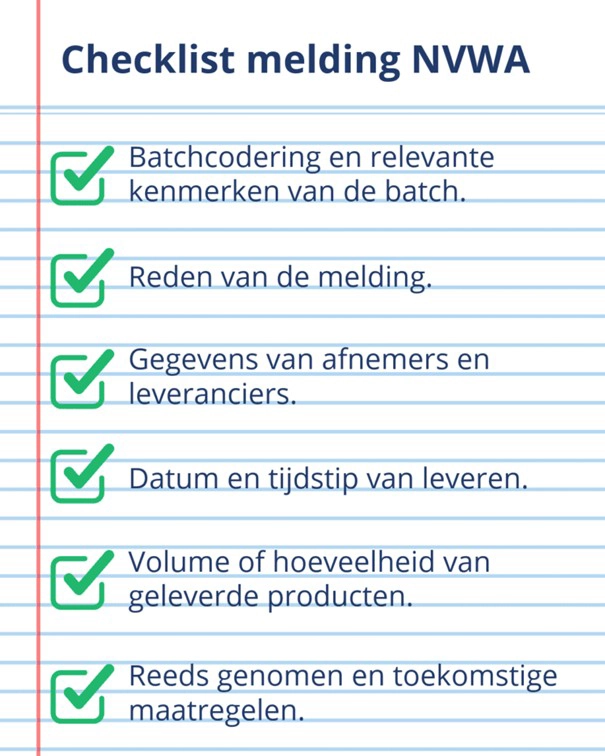
All findings are recorded in a report and shared with the NVWA if it concerns very serious deviations. Consumers are often not informed about the cause and/or the solution of the recall. This usually happens only upon request. Based on the evaluation, the prevention plan is tightened up. What went wrong and how do we prevent it from happening again? The documentation is important to keep in the internal archive.
Example: A producer has the detection system recalibrated or invests in an advanced metal detection system. He also organizes regular training sessions for employees. This drastically reduces the chance of foreign particles.
Step 7: Preventive measures
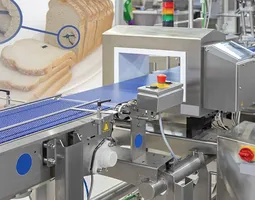
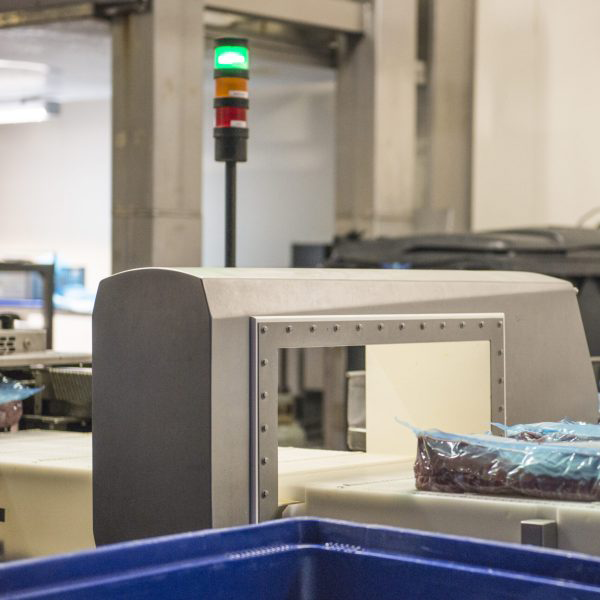
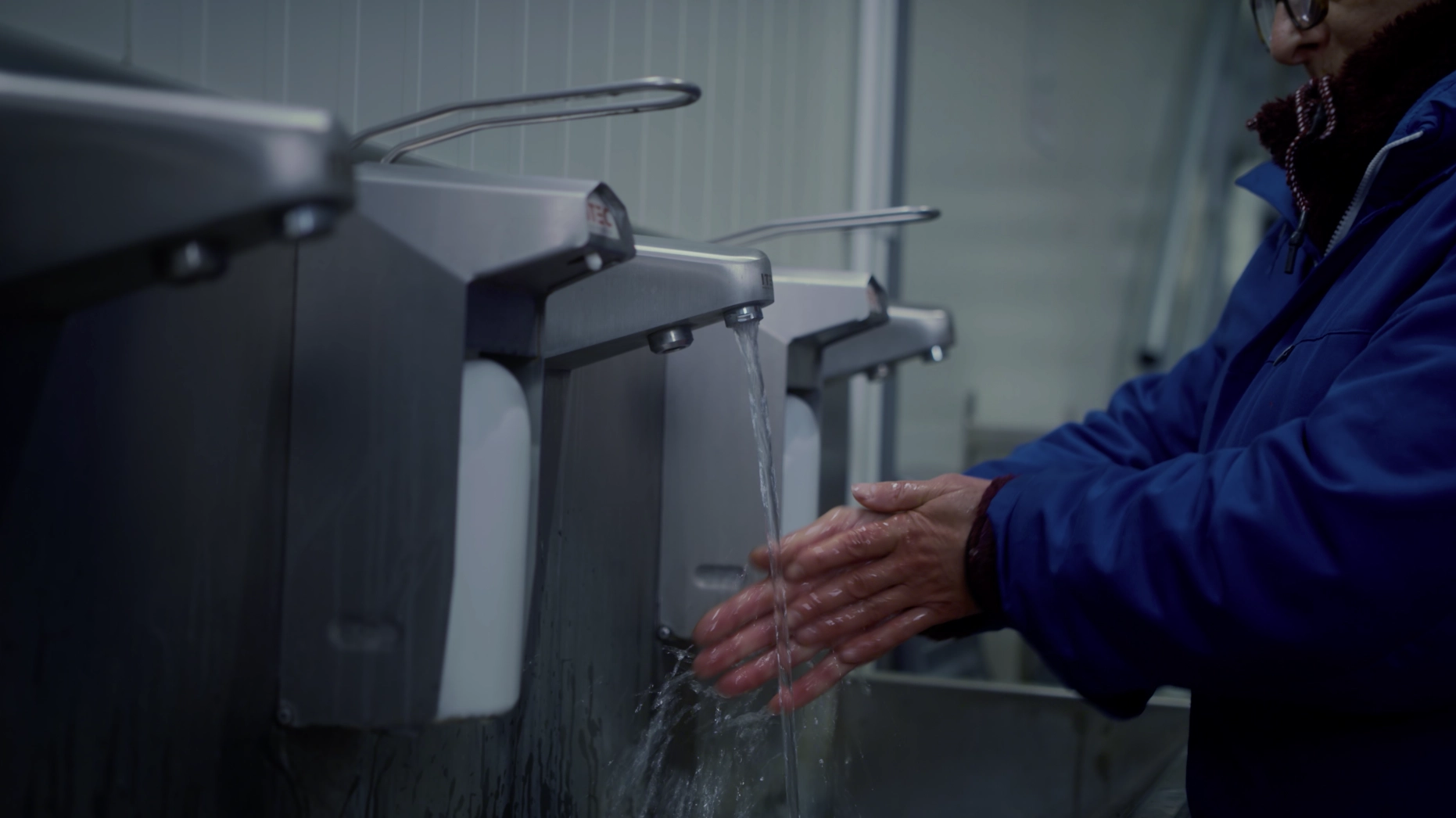
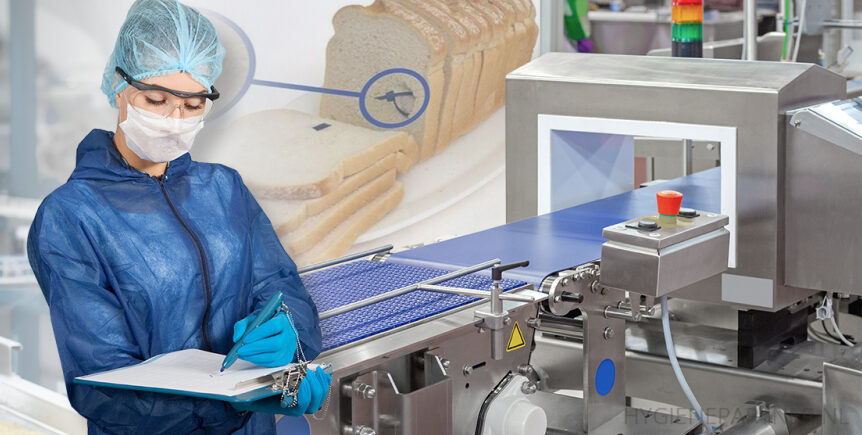
To prevent the incident from happening again (or to prevent other incidents), there are various preventive measures you can take. Consider wearing disposables such as hairnets, beard masks, and detectable band-aids to minimize contamination by individuals. Metal detection and X-ray inspection also help to reduce the risk. With the help of test materials, you can check the reliability of your metal or X-ray detection equipment settings. Furthermore, it is important to regularly maintain machines, establish and follow strict cleaning protocols, and train employees well in hygiene and safety. By combining these measures, you ensure a safe production environment and prevent unwanted contamination in your product.
Many materials are (partially) detectable. This makes it easier to detect foreign parts in products. Check out our solutions and our range of detectable materials.
If you want to know more about detectability, you can also read our blog via the button below.