What does the legislation in the Netherlands and Belgium say about foreign objects and detectability? What must you, as a food producer, really arrange? In the food industry, food safety is your license to operate. A key focus within any food safety management system is preventing foreign objects. Think of pieces of metal, plastic, glass, or wood that might accidentally end up in a product. What do Dutch and Belgian laws say about foreign objects and the use of detectable (work) materials? And with what practical tips can you prevent foreign objects?
What are foreign objects?
Consumers consider anything that does not belong in a product as a foreign object.
Experts distinguish between two types of foreign items:
- Endogenous foreign objects, which can naturally come from the product itself (such as pits or small bones),
- Exogenous foreign objects, which clearly do not belong (such as pieces of plastic, wood, or glass)
Voor de consument is het onderscheid tussen endogene en exogene voorwerpen niet relevant.
Zij accepteren simpelweg géén vreemde voorwerpen. Zelfs niet als deze geen direct gezondheidsrisico vormen, zoals bijvoorbeeld een snipper papier in het product. De verwachting van de consument is simpel: het product moet geleverd worden zoals het omschreven is én zoals het is gewenst of verwacht.
Foreign objects in products are anything that can unintentionally end up in a product during the production process or that cannot be removed and can be detected through touch (contact). Impurities such as chemical residues and microbiological contamination do not fall under this category.
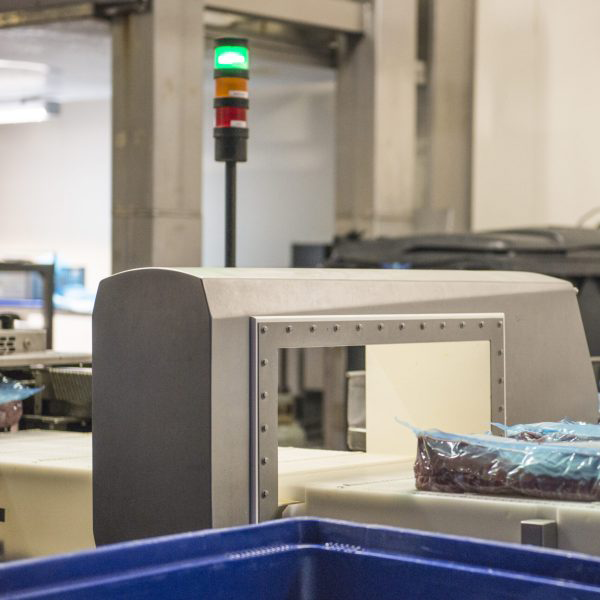
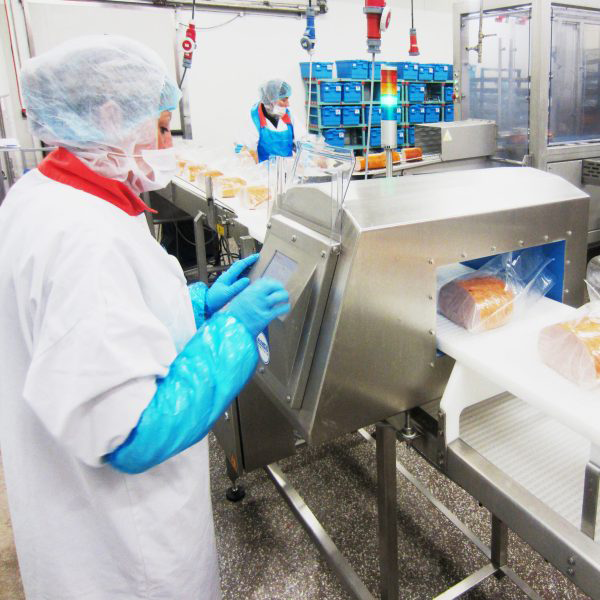
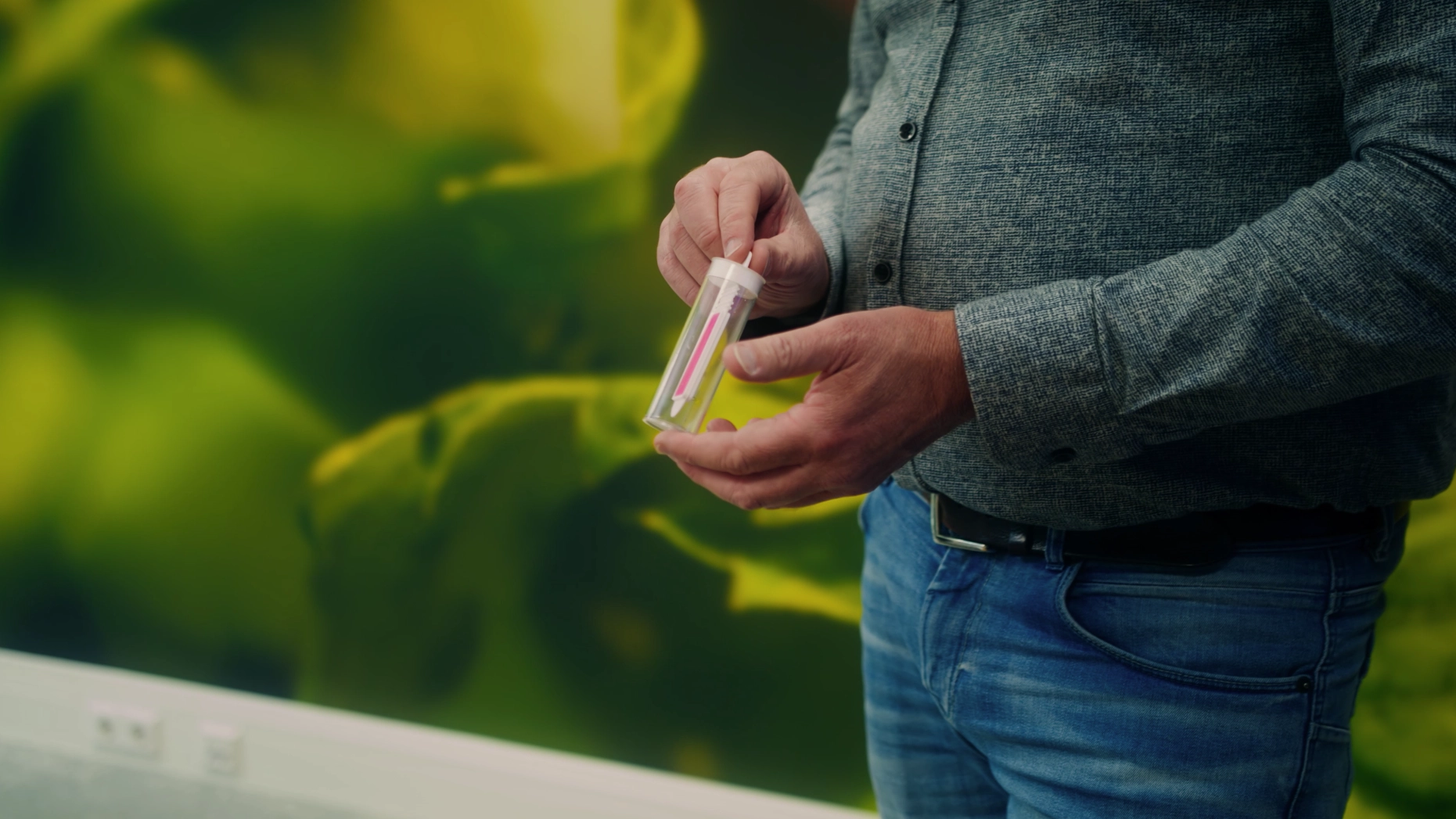
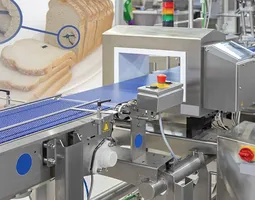
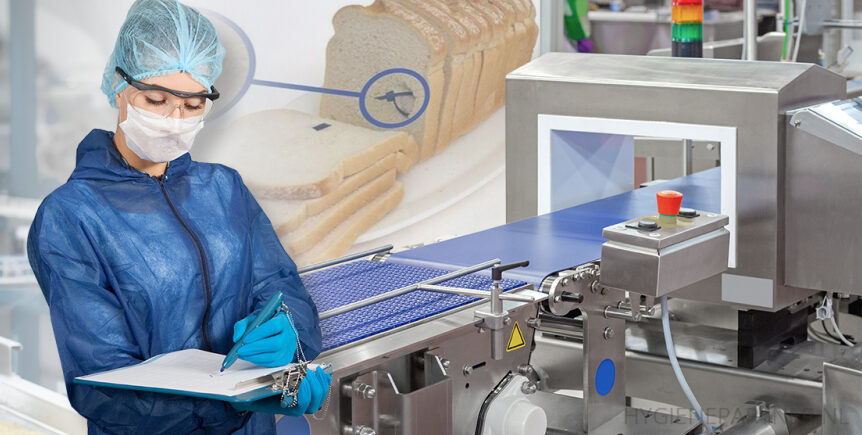
With the help of detection, you can prevent foreign objects in the final product. There are different forms of detectability: visual detection, metal detection, x-ray detection, and detection using sieves.
What does the legislation say about foreign objects and detectability?
The legislation surrounding foreign objects and metal detectable materials in the food industry in both the Netherlands and Belgium, as well as the EU, is primarily based on risk management within food safety systems such as HACCP and standards like FSSC 22000, BRCGS Food Safety, and IFS Food.
European legislation
- General Food Regulation (EC) Regulation 178/2002: Food is unsafe as soon as it is potentially harmful to health. Companies must ensure food safety throughout the entire production process. Companies must implement systems to control hazards, such as physical contaminants.
- EC Regulation 852/2004: Every food business in the EU is required to implement a HACCP system. In practice, this means that various procedures must reduce the risks of physical contamination.
- Regulation (EC) 1935/2004: Framework regulation for materials that come into contact with food
National legislation
In the Netherlands, the NVWA is responsible for oversight. In Belgium, this is the FAVV. Both follow EU legislation but also expect companies to demonstrably control physical risks, such as metal, glass, or plastic. This is a requirement in the mandatory food safety systems and practical standards, such as HACCP and GFSI standards.
What do GFSI standards say?
About controlling foreign objects and metal detectability.
The Global Food Safety Initiative (GFSI) is a worldwide coalition of retailers and manufacturers working together to ensure food safety.
BRCS Food Safety
BRCS states that (work) materials must be designed to prevent contamination: proper sealing, smooth surfaces, correct welds, and joints. Additionally, (work) materials that come into direct contact with food must be legally suitable for food contact.
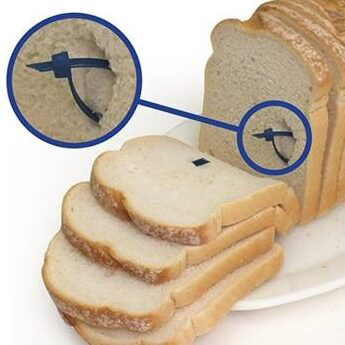
Furthermore, BRCS requires the use of (metal) detectable materials for tools, pens, cable ties, gloves, etc., to ensure compliance. Audits also ask for color coding and detectability of all tools in high-care and high-risk zones. Metal detectors and test procedures must be validated annually.
IFS Food
IFS Food focuses, among other things, on controlling foreign objects. This standard requires companies to take measures to prevent contamination and that tools are detectable via metal detectors, X-ray, or visual inspection.
FSSC 22000
The FSSC 22000 also addresses alien objects and metal detectability but is less prescriptive. The FSSC 22000 requires that physical hazards are included in the hazard analysis and that critical control points (CCPs) for foreign objects are defined and validated.
In terms of (work) materials and equipment, companies must have documented purchase specifications addressing hygienic design, legal and customer requirements, and the intended use of the (work) materials. The supplier must provide evidence that they comply with the specifications for use. Appendix 1 defines hygienic design as: “Design and manufacture (materials and construction) of equipment and buildings that are easy to clean and ensure safe food.”
Is there a legal maximum size for foreign objects in products?
No, in the Netherlands and Belgium, there is no legal maximum in millimeters for foreign objects. Whether a particle is 'unsafe' depends on:
- The nature of the foreign object. That is: is the foreign object sharp, hard, toxic?
- The target group (general population vs. vulnerable group)
- The context / the seriousness (product type, preparation method, time of consumption)
The legal principle is: every physical contaminant poses a potential hazard, regardless of size and must be controlled and eliminated via HACCP guidelines. For practical risk assessment and inspection, guidelines are used in the industry and by inspection organizations such as NVWA and FAVV.

General population
< 7 mm
Only if it's not sharp.
Sick and elderly
< 2 mm
Often already a reason for recall.
Baby's (< 1 year)
0 mm > zero tolerance
Every particle is unacceptable.
Are detectable materials a must-have?
Improving detection and preventing foreign objects.
Within quality standards such as FSSC 22000, BRCGS, and IFS Food, the use of detectable tools is not optional. If you want to comply with these standards, a comprehensive policy regarding foreign objects and detectability is mandatory.
Metal detectability is not mandatory according to these guidelines. Detection via magnets, x-ray, visual detection, or detection using sieves are also methods to detect foreign objects.
Which (work) materials are detectable in the food industry?
Due to the development of detectability, more and more tools and materials are available in a detectable variant. This makes it possible to minimize risks surrounding physical contamination within production facilities. Think of (metal/visually) detectable materials such as:
- Earplugs made of foam or with flanges from Proteqtio or Honeywell
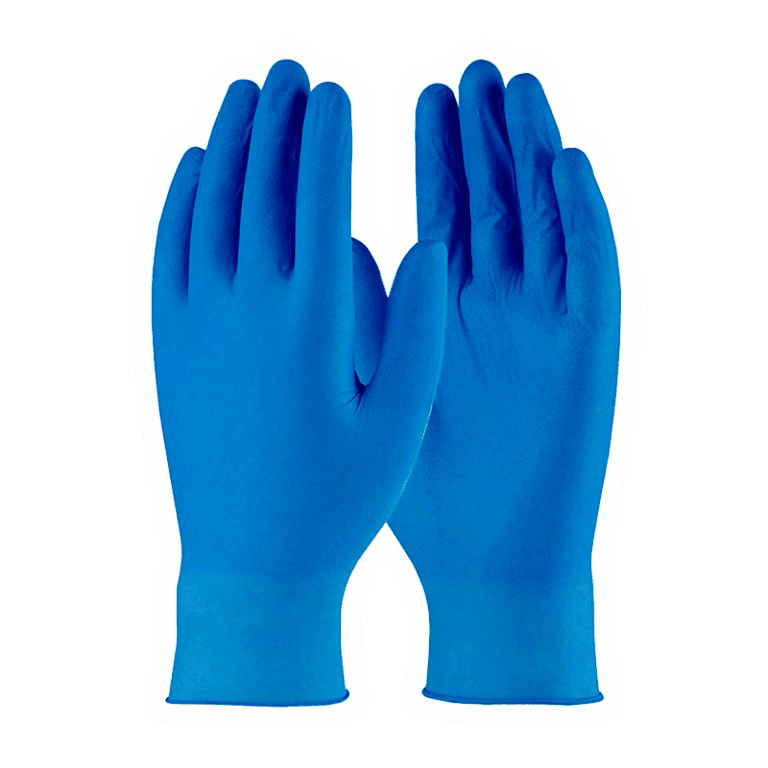
- Protective equipment such as gloves, hairnets, and beard nets from Hycare
- Cleaning materials, such as hand brushes from Vikan or FBK
- (Cutting) tools from Martor
- Kitchen tools such as scrapers, spatulas, and brushes from Vikan
- Safety stickers, labels, and band aids from Detectamet or Brady
- Pens, markers, and other writing instruments and office supplies from Detectamet
Especially in high-care environments or when producing for at-risk groups, this is mandatory terrain.
An addition to the legislation
Practical measures to prevent foreign objects in products.
The HACCP plan may be perfectly designed, but if the implementation falters, you will still end up with unwanted bits of plastic, metal, glass, or wood on your conveyor belt. Therefore: concrete measures that work in practice.
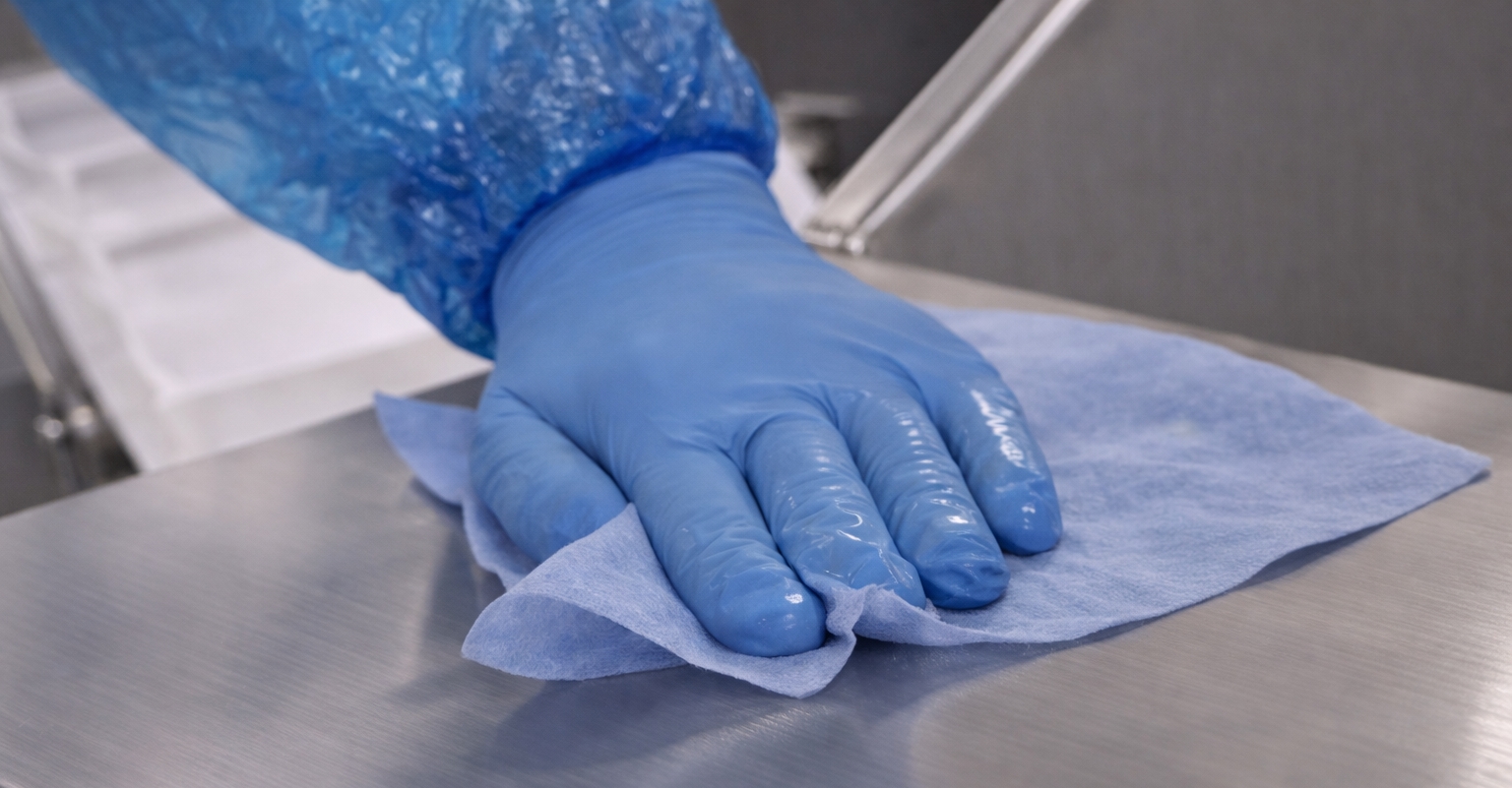
Physical inspection rounds
- Glass Check: Daily visual inspection for any damage to windows, lighting, analog clocks, and instrumentation.
- Machine Inspection: Are there any loose bolts, cracked rubbers, or worn-out blades? If so, take action to repair or replace them.
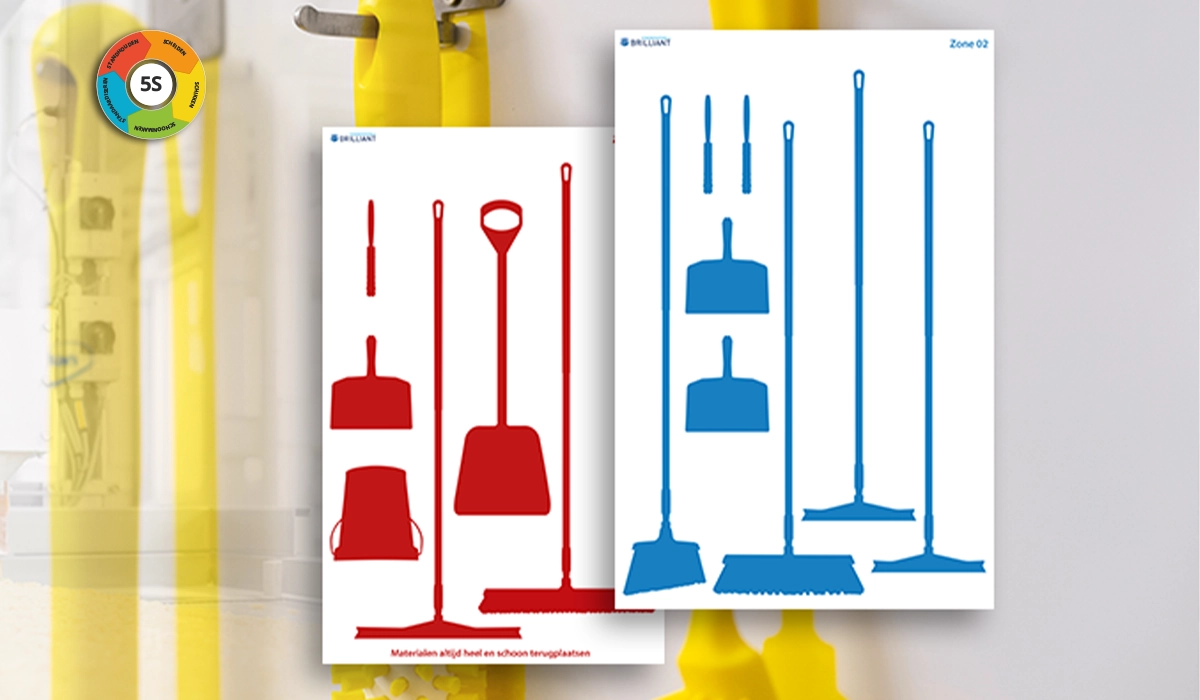
- Tool Accountability: Are all tools placed back in their designated location after the shift?
- Floor Inspection: Nothing is left on the floor. Even a piece of tape or packaging strip is not acceptable. This prevents foreign objects, makes cleaning the floors easier (efficiency increase), and enhances personal safety in the workplace.
Use of detectable materials
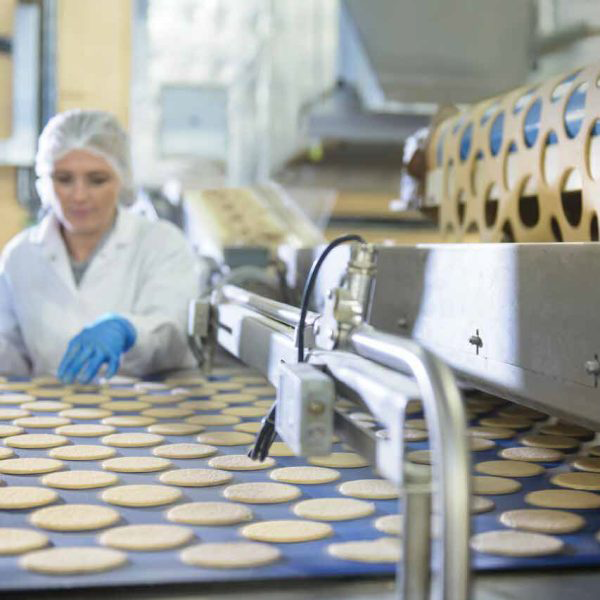
- Only certified (metal) detectable or visually distinctive protective equipment and work materials on the floor.
- Blue plasters are the standard.
- Clear color coding per risk area to ensure deviations stand out. All materials should be neatly returned to shadow boards so that they can be easily inspected.
Technical inspections of machines
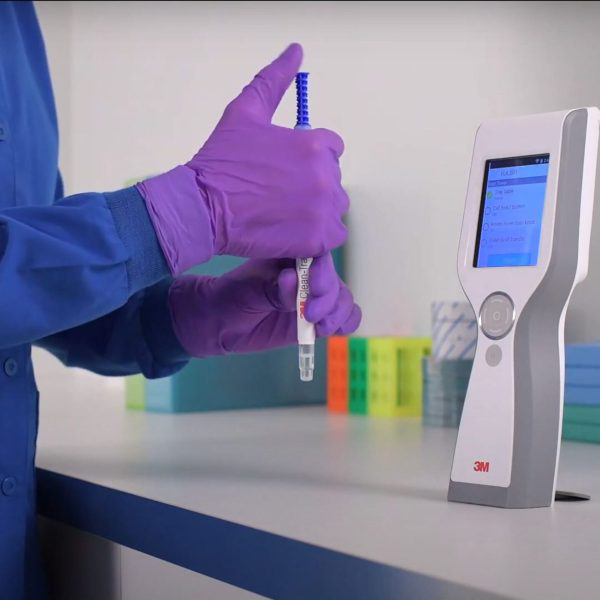
- Calibration of Metal Detectors with test sticks (1.5–3 mm) for ferrous, non-ferrous and stainless steel.
- System Checks Rejection Mechanism: Is a detection actually rejected?
- Preventive Maintenance on machines according to a fixed schedule.
- Magnet Filters & Sieves for liquid or dry bulk goods.
Training & gedrag over productvreemde delen
- Start-of-shift briefings: Alertheid verhogen = incidenten verlagen.
- Toolboxsessies: Bespreek de risico’s van niet-detecteerbare materialen.
- CAPA-kennis verspreiden: Medewerkers begrijpen op die manier waarom een klein stukje plastic grote gevolgen heeft.
- Gestandaardiseerde trainingen: (Online) trainingen tijdens de onboarding en herhaling van deze trainingen.
- Borden en andere herinneringssignalen: Herinner medewerkers eraan dat ze hun materialen op de juiste plek terugleggen aan het einde van de dienst of tijdens de pauze, bijvoorbeeld door borden bij de uitgang te plaatsen.
Registration and monitoring
- Logging and Analyzing Incidents to continuously improve the processes in your production environment.
- Annual Trend Analysis: Where are the structural risks?
- Audit Preparation: Ensure that documentation, calibration reports, and supplier declarations are in order.
Managing risks with various measures
There is no strict millimeter standard in the law, but the principle is clear: any physical foreign object poses a risk. Food producers in the Netherlands and Belgium must manage these risks through technical, behavioral, and administrative measures. Invest in:
- Intelligent detectable materials
- Preventive inspections and maintenance
- Training and awareness in the workplace
- Proper registration and follow-up
This way, you ensure food safety, strengthen your certifications, and avoid... free advertising in the wrong way.
Looking for detectable (work) materials and resources or need advice on preventing foreign objects in your process?
Brilliant Group is a specialist in hygiene and food safety for the food industry in the Netherlands and Belgium. We supply detectable products and also assist in risk analysis and the setup of your production location, from locker room to storage.