Reinigen en desinfecteren; vijf veelvoorkomende fouten
In de voedingsindustrie is hygiëne en topprioriteit, maar toch worden er vaak fouten gemaakt bij het reinigen en desinfecteren. De belangrijkste oorzaken hierbij liggen vaak ten grondslag aan tijdsgebrek, gebrek aan training en onvoldoende controle. Een van onze reinigingsspecialisten Dirk van Loon, deelt vijf veelvoorkomende schoonmaakfouten en geeft advies om ze te voorkomen.
1. Insufficient cleaning before disinfection
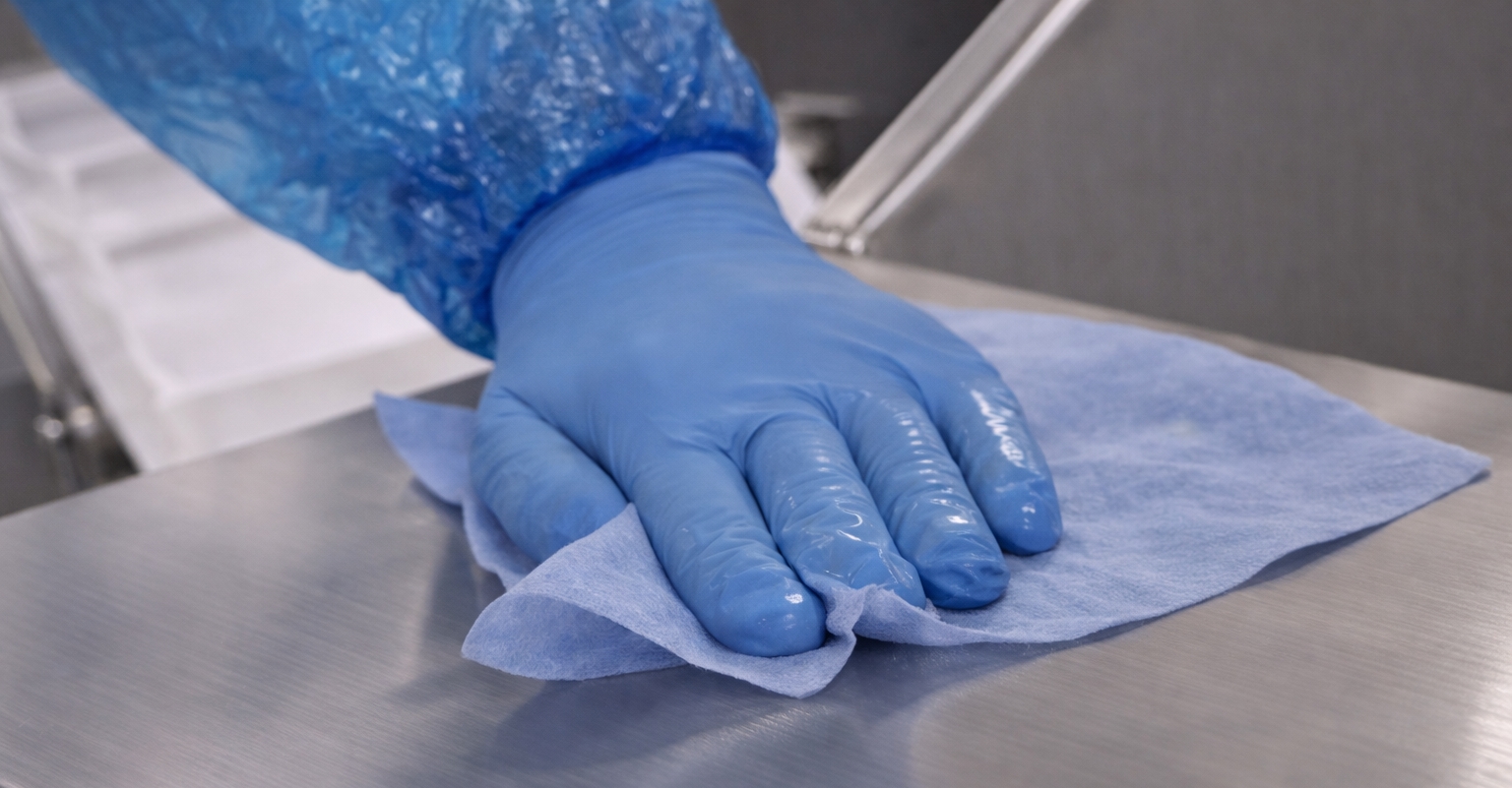
A common mistake is to disinfect directly without first thoroughly cleaning. Dirt, grease, and food residues can cause the disinfectant to not work effectively because the surfaces to be treated are not easily accessible. "Proper cleaning removes these obstacles, making the disinfectant work more effectively," Dirk explains. It is essential to first properly remove dirt before starting disinfection.
The sequence of tidying, cleaning, rinsing, disinfecting, post-rinsing, and residue control depends on your process, but also on the cleaning and disinfecting agents you use. You can read more about it in this blog.
2. Incorrect concentration of cleaning and disinfecting agents
According to Dirk, the wrong concentration of cleaning and disinfecting agents can lead to serious problems. A concentration that is too low may not kill all harmful microorganisms, while a concentration that is too high can leave residues that may be harmful to the final product or can damage surfaces.
Advice: Always follow the manufacturer's recommendations and use exactly the right amount for safe and effective cleaning. You can check this using titration tests or conductivity measurements. "I can perform the latter on-site to see if your dosing is adequate. An excessive dose leaves a residue, costs unnecessary money, and may affect the performance of equipment and machinery.
A dosage that is too low means you will not achieve the desired result. There is also a higher risk of, for example, microbiological contamination or unintended spread of allergens. I recommend conducting a concentration measurement at least twice a year."

3. Too short contact time
Effective cleaning and disinfection often require a certain contact time, during which the agent has the opportunity to do its work. “Haste or unclear instructions often prevent the agent from getting enough time to work,” says Dirk. Cleaning agents often need a few minutes to effectively kill microorganisms. “By giving this process the time it needs, you prevent bacteria from remaining.”
4. Insufficient attention to hard-to-reach areas
Another major issue is the hard-to-reach areas, such as edges and crevices. These are often overlooked during cleaning. However, these are exactly the places where bacteria can quickly accumulate. "Companies would do well to plan regular deep cleans that give extra attention to these areas," emphasizes Dirk.
"Additionally, it's important to design and maintain your production environment as hygienically as possible. Due to wear and poor design, I still encounter unhygienic practices far too often."
5. Lack of regular control and verification
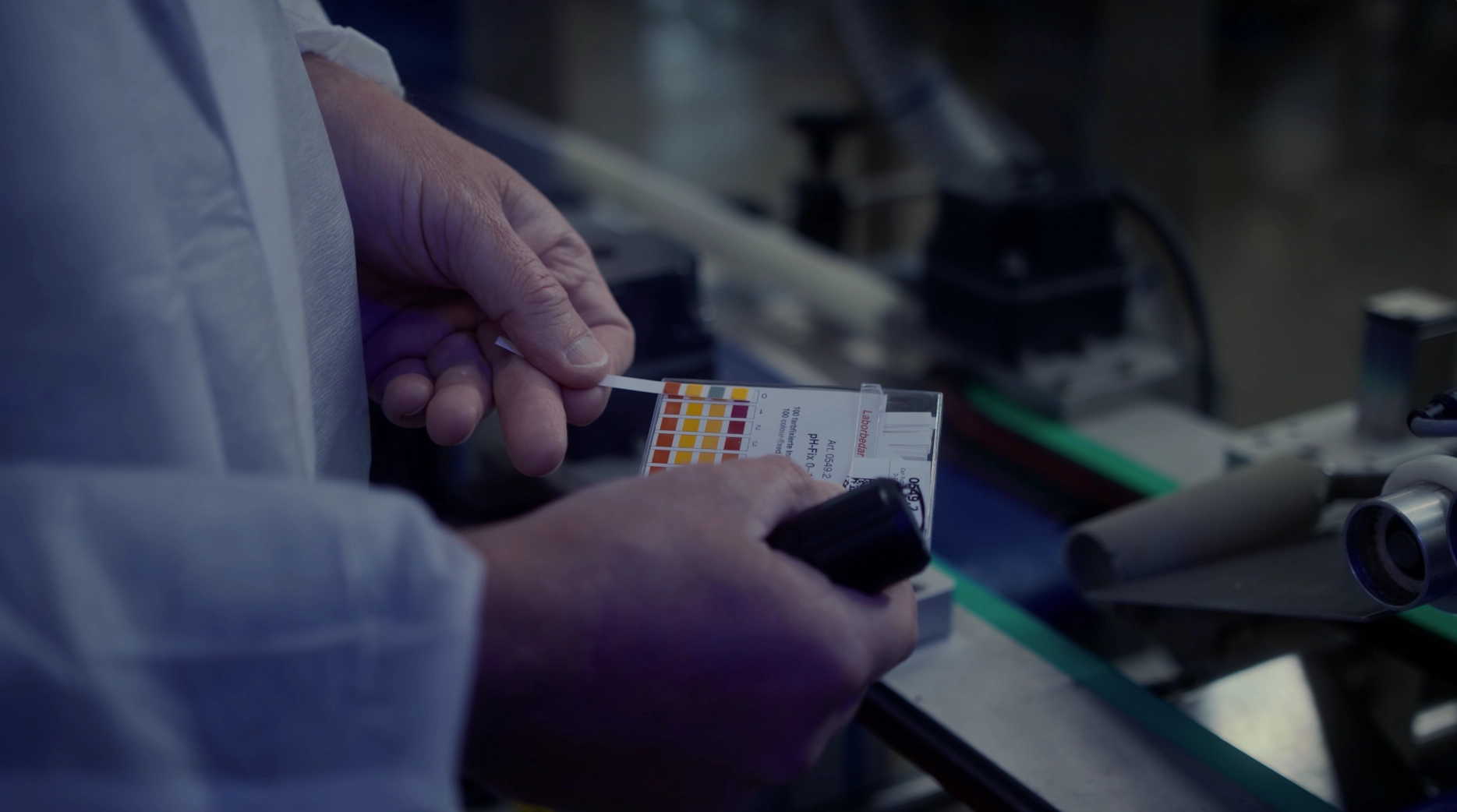
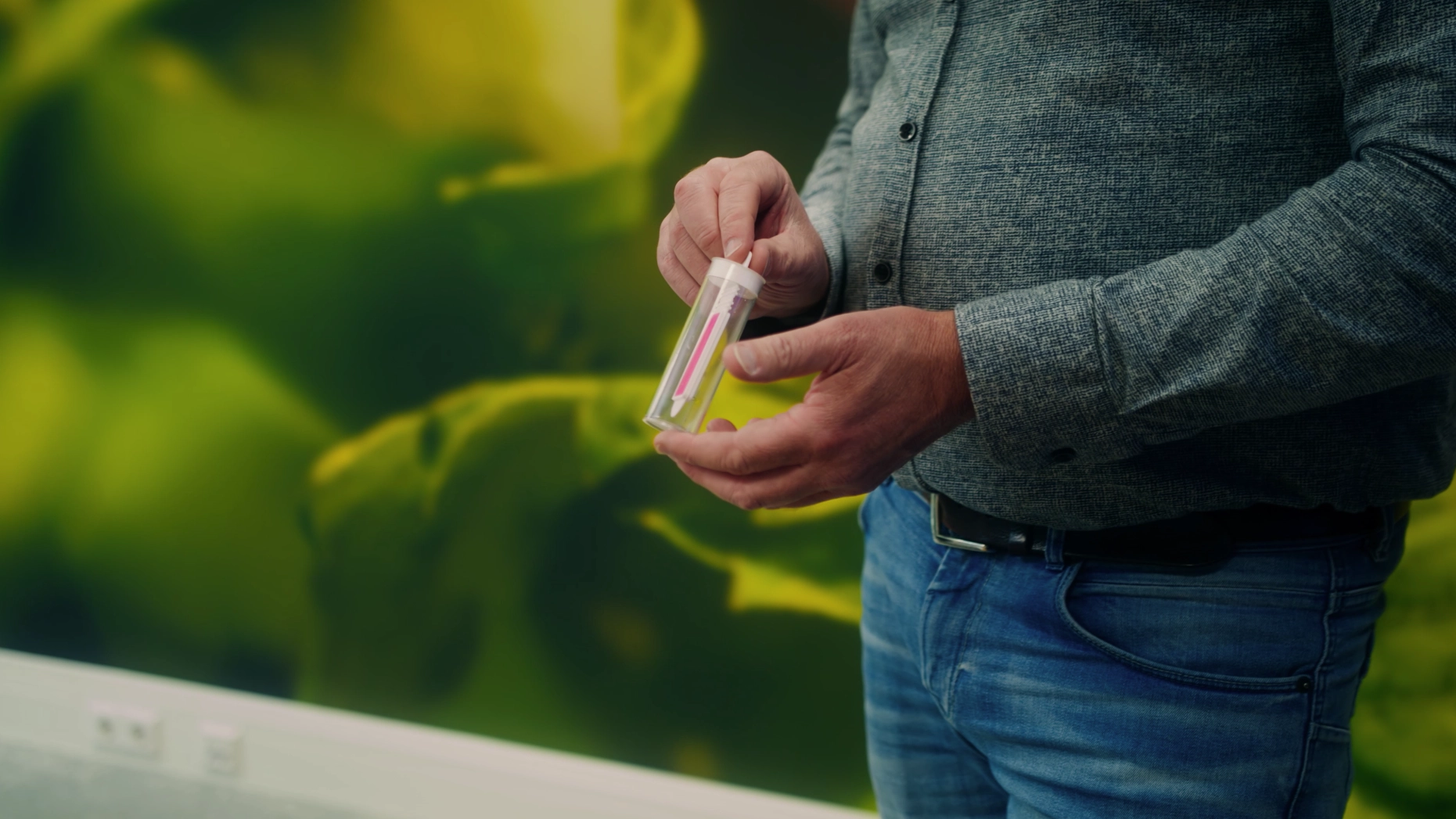
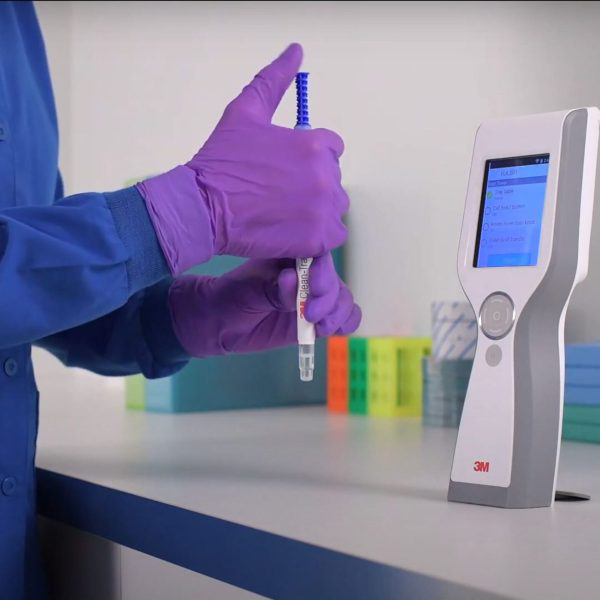
An effective hygiene cycle requires regular checking to confirm that cleaning and disinfection have been successful. “Without periodic testing, such as ATP measurements or microbiological swabs, it is difficult to know if surfaces are really clean,” Dirk explains.
By implementing regular inspections, such as visual inspections and chemical or microbiological tests, companies can validate the effectiveness of their cleaning program and improve it where necessary.
The Sinner Cleaning Circle
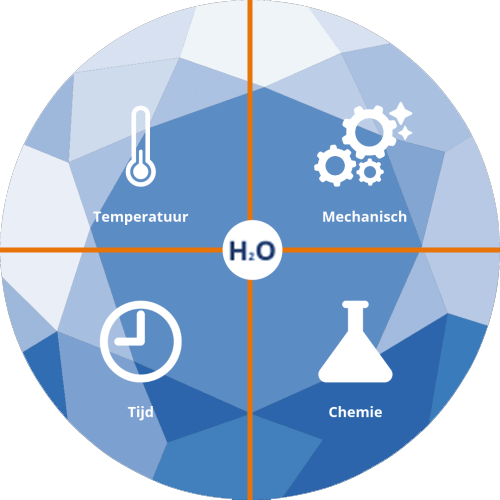
The Sinner Cleaning Circle is a model that describes the four main factors for effective cleaning. These factors are Time, Temperature, Chemistry, and Mechanical Action (see image below). When these four elements are balanced, cleaning can take place optimally. If one of these factors is reduced, the others must be increased to achieve the same cleaning quality.
The Sinner Cleaning Circle is a tool to optimize cleaning and disinfection in your production environment. Dirk explains:
- Time: When the cleaning agent is given time to work, dirt can dissolve and microorganisms are killed. “It is important to respect the recommended contact time of the agent to ensure proper effectiveness.”
- Temperature: Heat increases the effectiveness of many cleaning agents, as dirt and grease dissolve more quickly at higher temperatures. A slightly higher temperature can significantly enhance the cleaning power. “Always read the manufacturer's instructions before increasing the temperature.”
- Chemistry: The choice and concentration of cleaning agents are very important. “Using the right agent in the right concentration ensures that dirt is broken down effectively without damaging surfaces or leaving harmful residues.”
- Mechanical action: Finally, physical friction, such as brushing or scrubbing, also plays an important role. “Mechanical action helps to dislodge dirt, especially in stubborn or hard-to-reach areas.”
Conclusion
In the food industry, hygiene is the foundation, but common mistakes such as insufficient cleaning and the lack of regular inspections can reduce the effectiveness of cleaning procedures. By preventing these mistakes and applying the principles of the Sinner's Cleaning Circle, companies can optimize their cleaning and disinfection processes, thereby ensuring and improving food safety and hygiene standards in their production environment.