You hear it more and more often in the food industry: ATP measurement. But what is ATP exactly? And why is it important to measure it on your work floor? In this blog, we explain everything to you: from the what to the how, with practical tips. This way, you will soon know exactly how to make hygiene measurable and visible. Spoiler alert: you don't need a laboratory for it, but you do need the right tools and a bit of knowledge.
What is ATP?
ATP stands for adenosine triphosphate. It is an energy source that occurs in all living cells: in humans, animals, plants, bacteria, yeasts, and molds. If you find ATP on a surface, you know there is still contamination present. This could be food, but also bacteria or other microorganisms.
Because an ATP measurement finds traces of living material on tested surfaces, testing for it is a smart way to quickly check if a surface is clean. Especially in the food industry, where cross-contamination and bacterial growth can have serious consequences, ATP measurement is a valuable control tool.
How do you measure ATP?
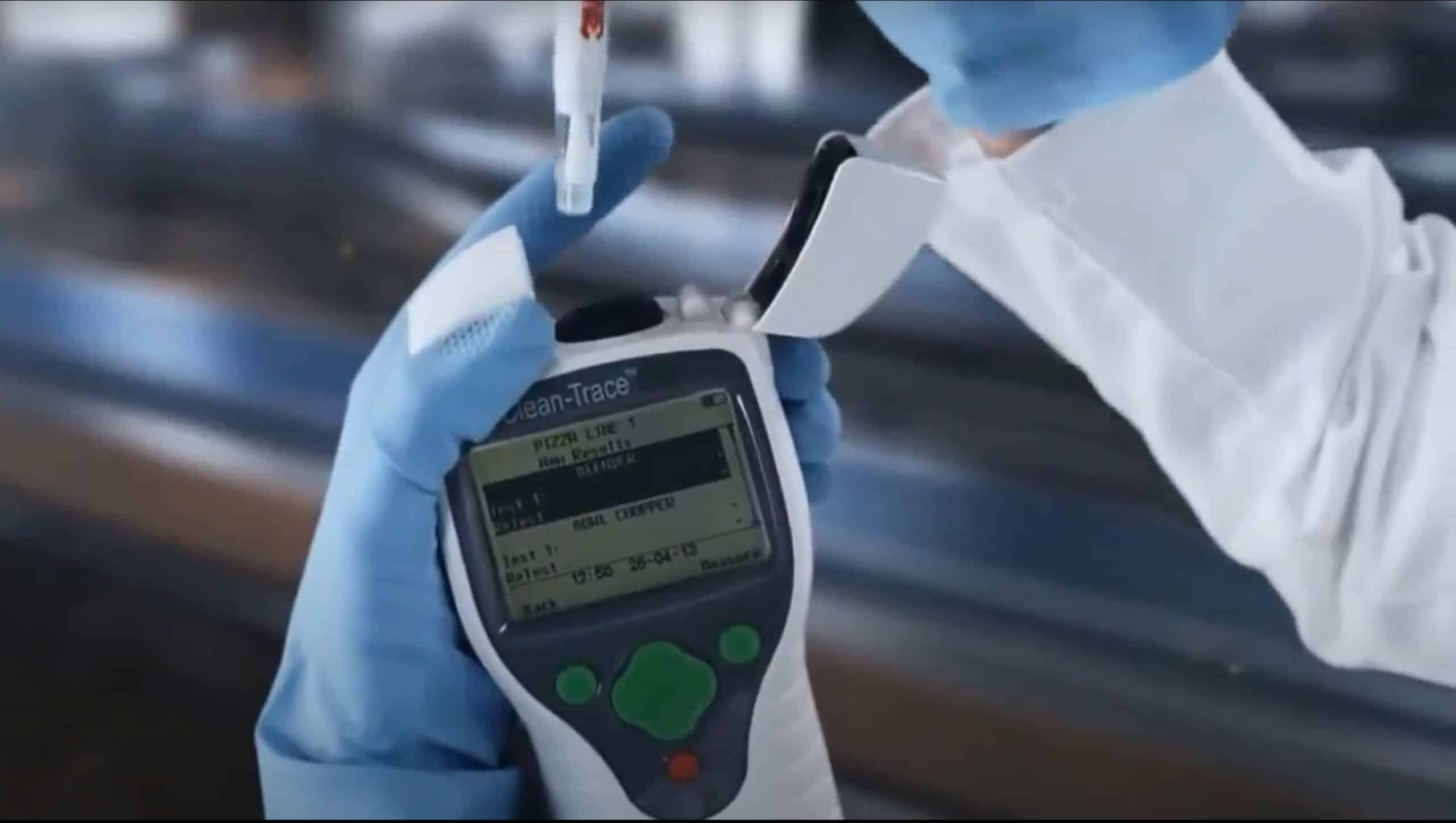
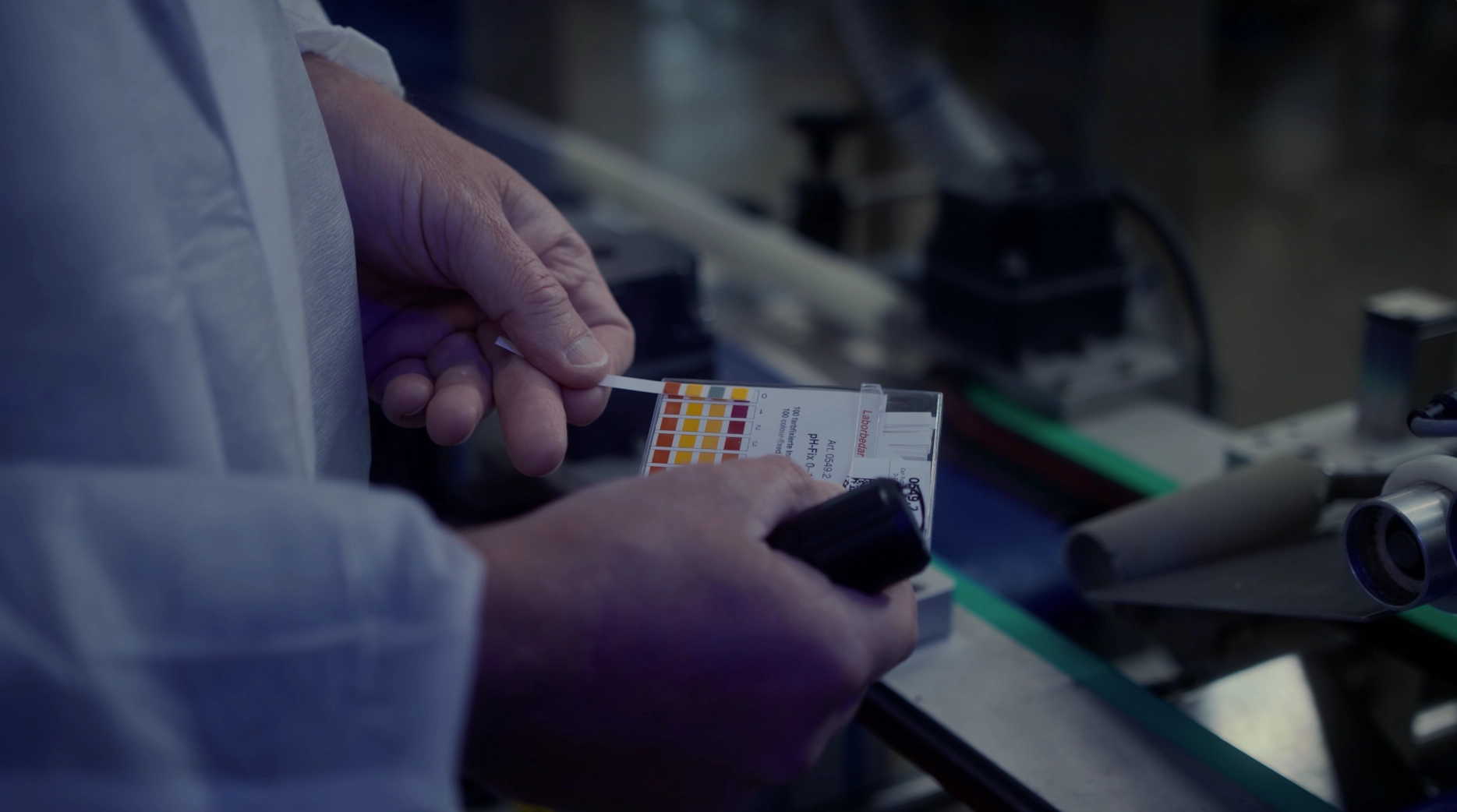
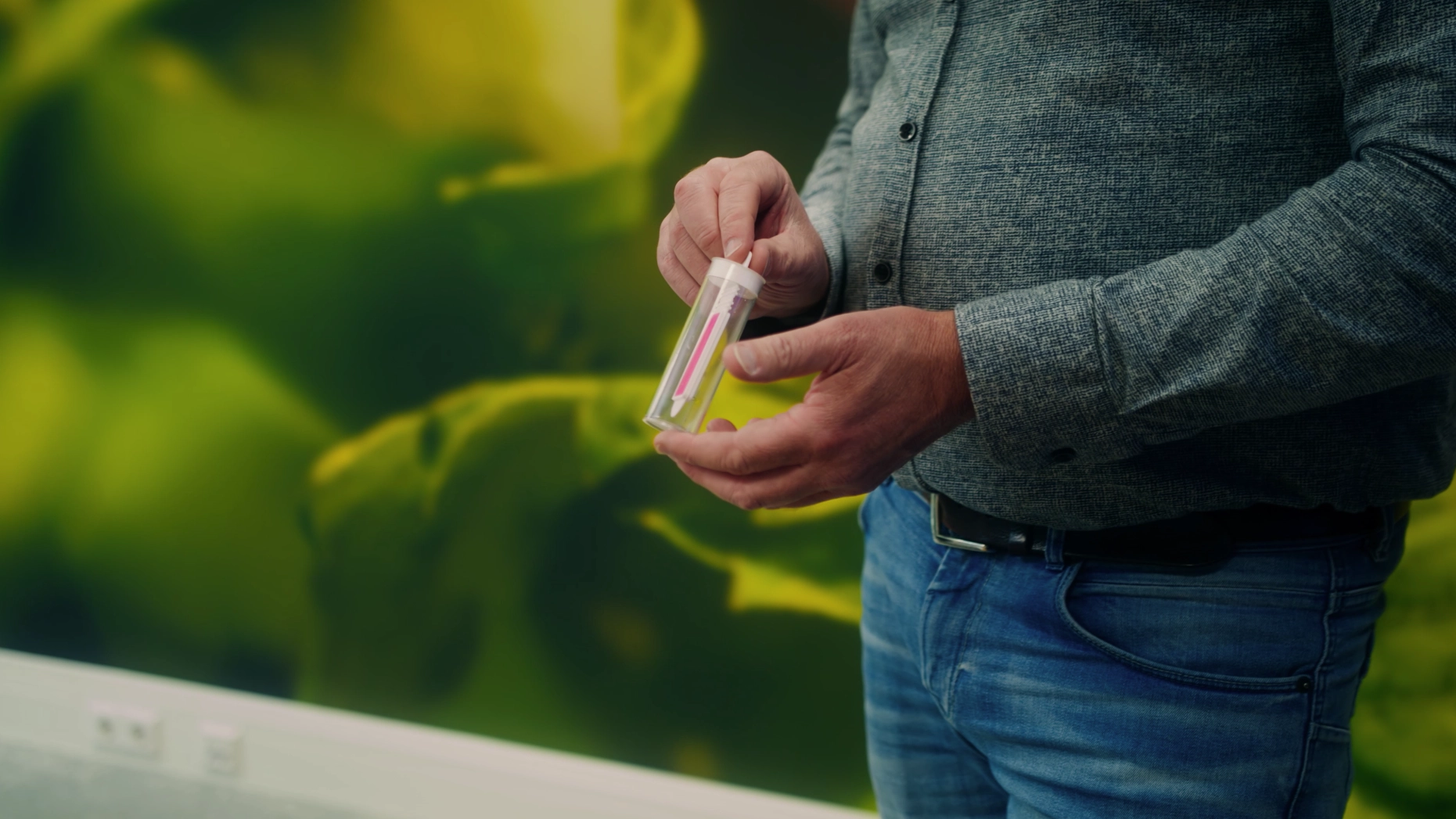
An ATP test can measure the amount of ATP present. For this, various ATP tests are available. You perform this by taking a sample with a swab (a type of cotton swab). You then insert this into a luminometer, and within a few seconds, you will know how clean or dirty the surface is.

What do you need for an ATP test?
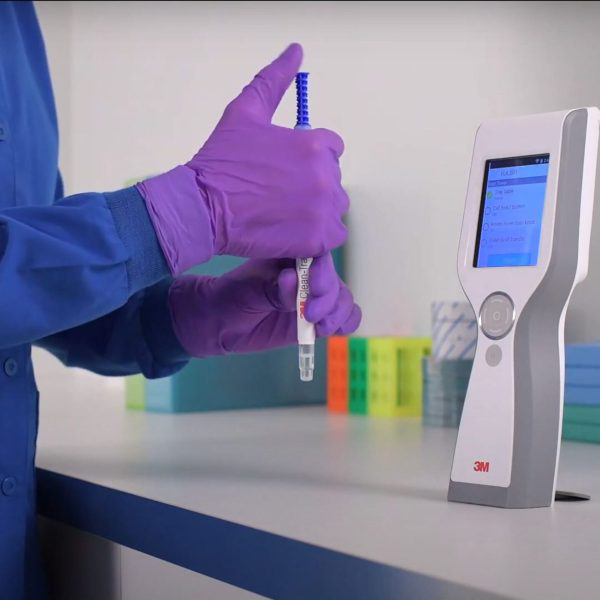
- An ATP test, such as the UltraSnap from Hygiena or the NEOGEN Clean-Trace surface ATP test. An ATP test looks like a swab enclosed in a plastic casing for optimal protection of the measuring instrument.
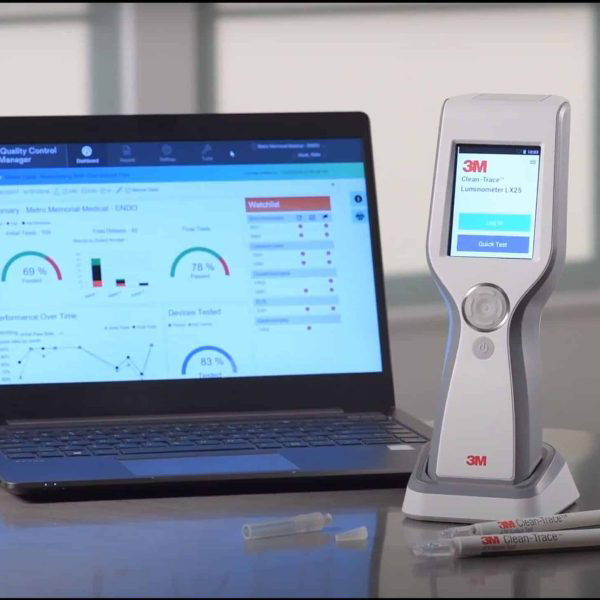
- A luminometer. With the help of the luminometer, you can read an ATP test. For this, use, for example, the Clean Trace LM1 luminometer from NEOGEN or the SystemSURE Plus from Hygiena.
- The luminometer has software, SureTrend, to analyze results and track trends in your production facility.
- Calibration tests, such as CalCheck and ATP positive control tests to ensure reliable results.
How does an ATP meter work?
The ATP meter (luminometer) operates based on bioluminescence. This is a fancy word for: emitting light through a chemical reaction. As soon as the swab comes into contact with the ATP from the tested surface and the test liquid in the tube, light is emitted. The meter measures that light and converts it into a score: the RLU value (Relative Light Units).
What types of ATP tests are there?
Surface Tests
These are most commonly used and are ideal for checking food contact surfaces.
- Hygiena UltraSnap
- NEOGEN Clean-Trace surface ATP test
High Sensitivity Tests
Suitable for very strict ATP measurements. This test is four times more sensitive than standard tests and can detect even extremely small amounts of ATP.
- Hygiena Supersnap High Sensitivity
Water Tests
Specifically designed for water samples, such as rinse water or CIP cleaning.
- Hygiena AquaSnap Total and NEOGEN Clean-trace water total ATP measure both free and microbial ATP.
- Hygiena AquaSnap Free and NEOGEN Clean-trace water Free ATP exclusively measure free ATP in water.
Specific Bacterial Group Tests
This test detects specific bacterial groups. Always use both the enrichment swab test and the detection swab test with this test.
- For example, use the Hygiena MicroSnap Coliform Detection swab test in combination with the Hygiena MicroSnap Coliform Enrichment swab test for detection and counting of coliform bacteria
What are the steps of an ATP test?
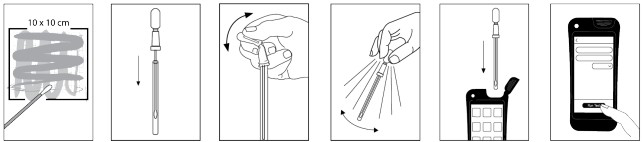
- Remove the swab from the tube.
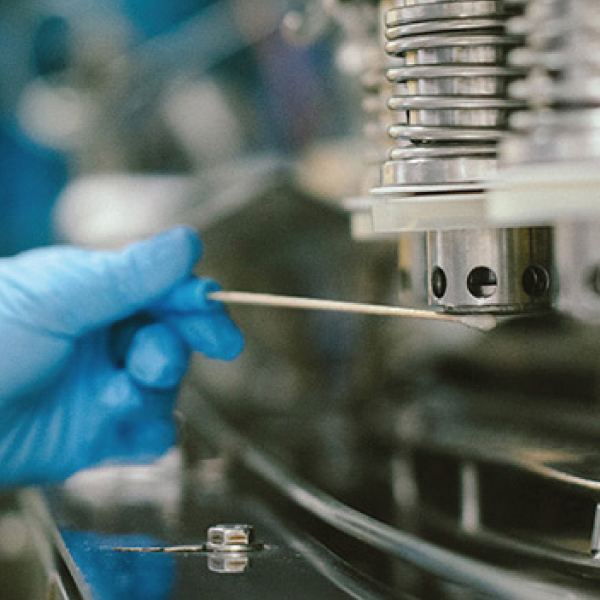
- Take a sample from a surface (for example, a work table) with the swab. Always swab an area of 10×10 cm in cross patterns.
- Place the swab back in the tube.
- Activate the test by breaking the Snap Valve and squeeze the bulb twice.
- Shake the tube for 5-10 seconds so that the liquid properly mixes with the sample.
- Place the tube in the luminometer (ATP meter) and start the measurement. Note: make sure to read the results within the indicated time. Otherwise, the measurement is unreliable.
- After you have read and interpreted the result, follow the instructions on the screen.
* Keep in mind that the instructions for your specific test may vary slightly, so always read the instructions accompanying your test carefully.
How do you interpret the ATP measurement?
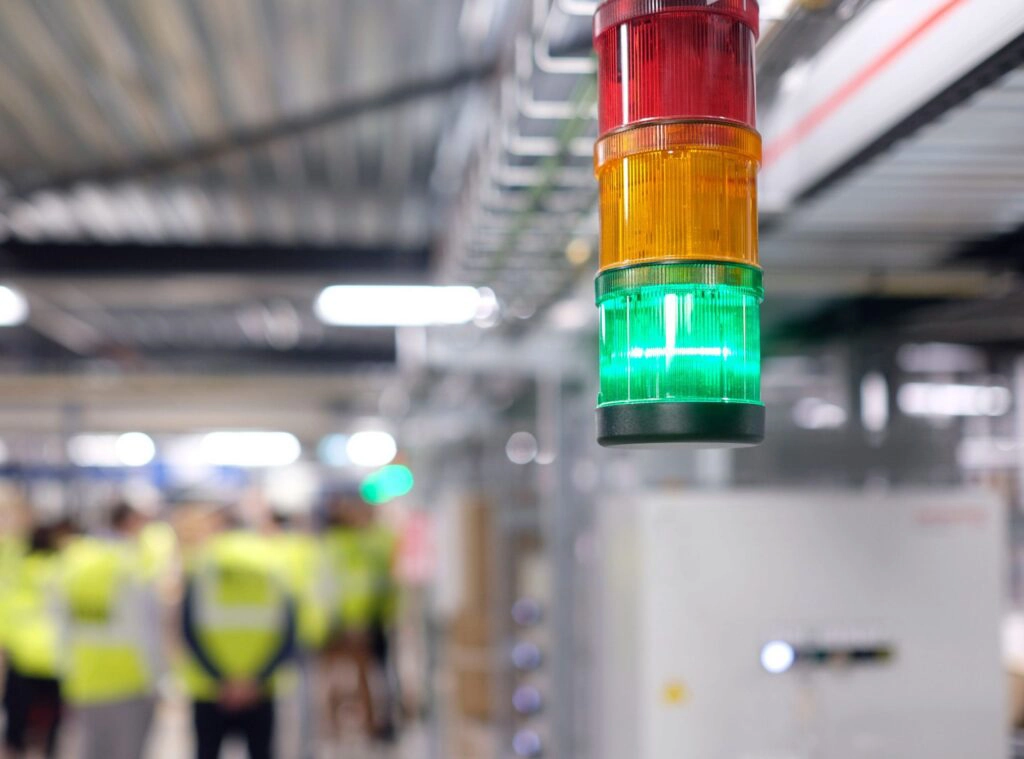
The ATP meter gives a score in RLUs (Relative Light Units). The higher the score, the more ATP – meaning: the dirtier the surface. You can receive 3 different messages, depending on the device and individual settings:
How do you check an ATP measurement?
How do you store ATP tests?
Preferably, store them refrigerated: between 2 and 8 °C. This ensures a longer shelf life. You can store most ATP tests at room temperature (20 to 25°C) for up to 4 weeks. Make sure they stay out of the sun. And definitely do not use them after the expiration date.
Always refer to the storage instructions provided in the user manual of the purchased ATP test.
Tips for conducting an ATP test
- Allow the test to come to room temperature if it's just out of the cooling.
- Ensure that you do not touch the swab tip with your fingers.
- Use a consistent pattern when swabbing: horizontal, vertical, and diagonal.
- Rotate the swab while collecting the sample to gather more.
- Use sufficient pressure – yes, you can scrub firmly.
ATP measurements make hygiene measurable