''The right dosage provides certainty and saves on costs''
In the food industry, where hygiene is of essential importance, trust in the cleaning system forms the basis for efficient and cost-effective cleaning. Accurately tuning chemicals plays a crucial role in this.
In this article, we delve deeper into the calibration of cleaning systems, why it is so important, and how it contributes to optimal hygienic standards.
What is calibration of a cleaning system?
Calibration is the process by which a cleaning system is checked and adjusted to ensure it meets set standards and specifications. This can involve various aspects of the system. You can think of water pressure and temperature, spray patterns and reach, and dosing of cleaning agents.
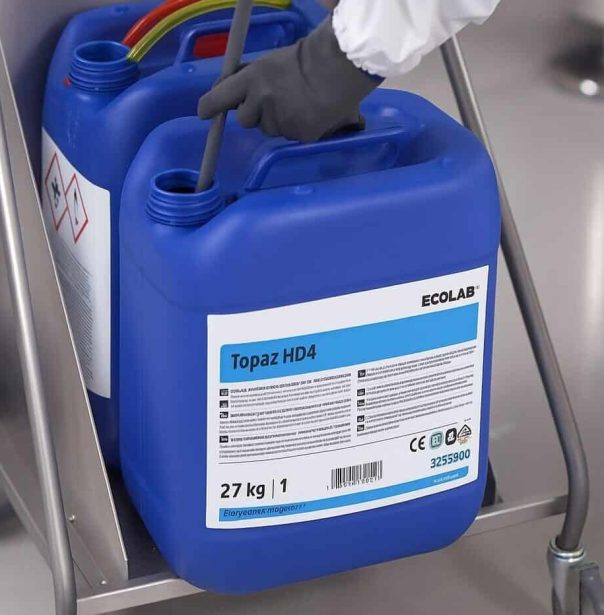
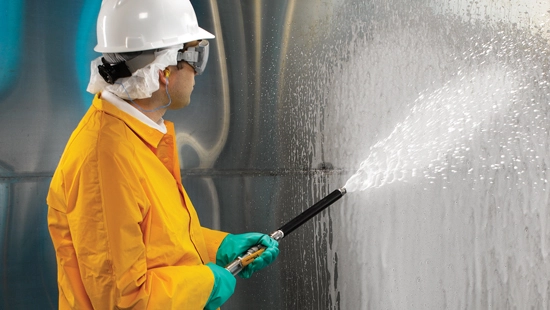
Monitoring water pressure and temperature and spray patterns and reach are important for effective and even cleaning. Over or under-dosing of cleaning agents can lead to inefficiency or damage. During calibration, the ratio of chemistry and water is examined.
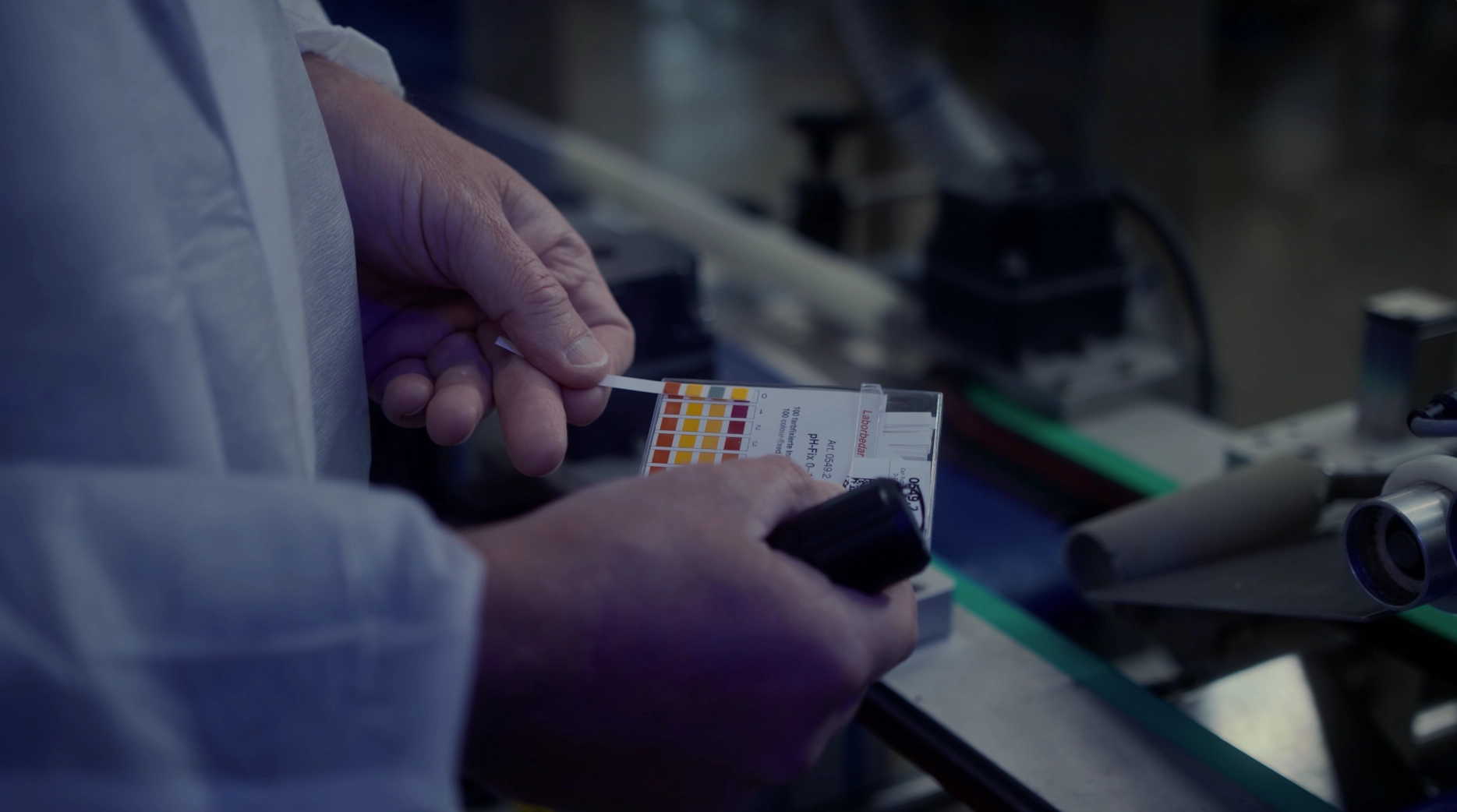
This is often done using a conductivity meter. By measuring the conductivity of the cleaning fluid and then looking it up in a table, one can determine the percentage of cleaning or disinfectant agent.
Calibration not only optimizes the functionality of the system but also prevents deviations from leading to issues such as insufficient hygiene or increased operational costs.
Why is calibration of cleaning systems important?
The proper functioning of a cleaning system depends on many factors. A small variation in air pressure, contamination in a pipe or hose, a clogged filter, or pollution can cause a deviation in the dosage. Such a deviation can have significant consequences, so it is important to perform or have a calibration carried out periodically.
1. Guarantee of cleaning efficiency
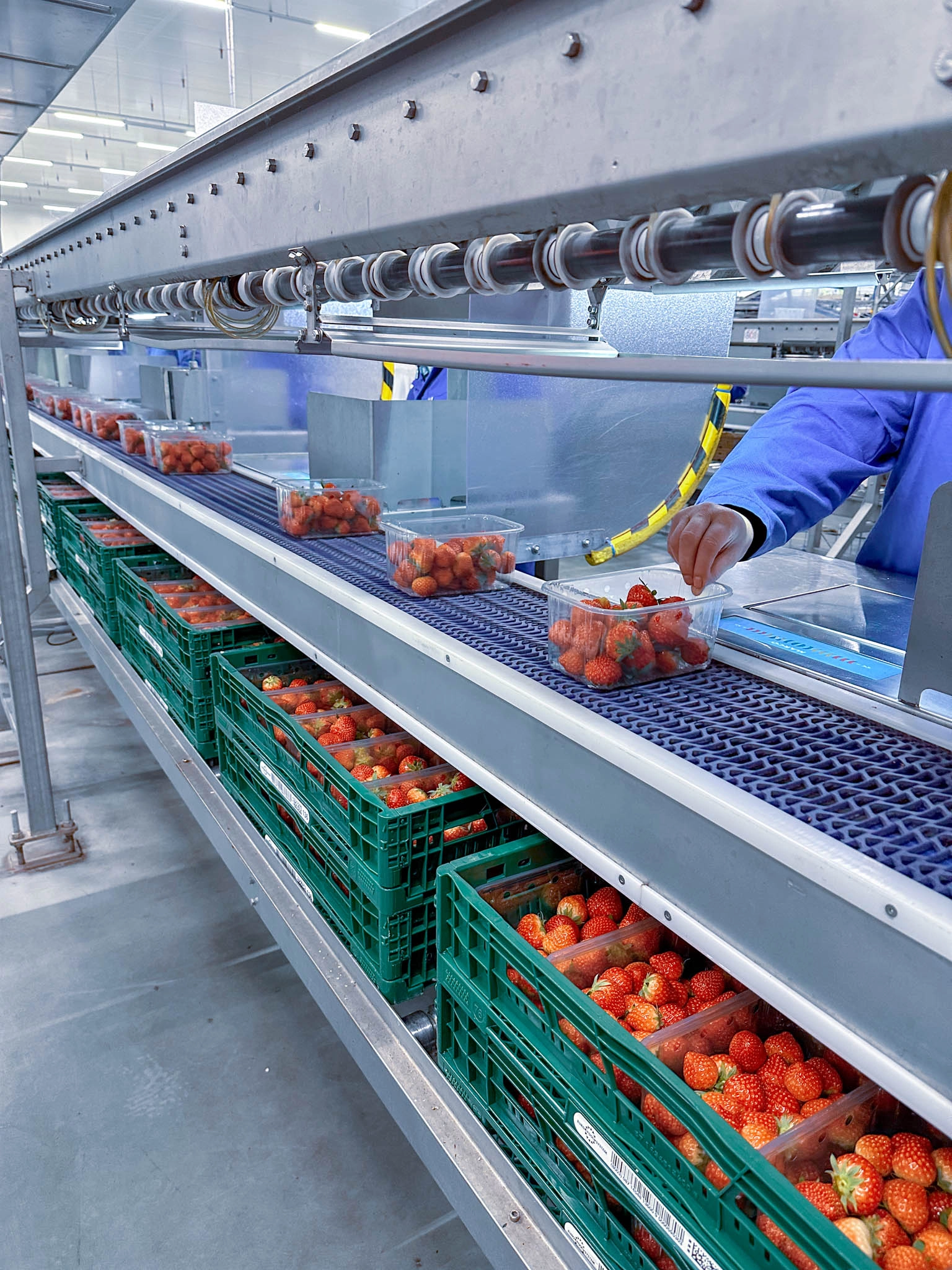
Cleaning systems are an important part of cleaning and disinfection within a production environment. A properly functioning installation provides certainty and guarantees food safety and hygiene. All surfaces can be cleaned consistently and thoroughly. This prevents residual contamination that can affect the quality of products and processes.
2. Continue to comply with laws and regulations
When validating the cleaning process, conditions are laid down and established that the installation must comply with, such as the percentage of cleaning and disinfectant. Calibration is the verification of whether the installation still meets the specified conditions. By regularly calibrating the cleaning systems, you remain compliant with laws and regulations. And that is the only way to avoid heavy fines and damage to your reputation.
3. Cost savings
Uncalibrated systems can lead to waste of water, energy, or cleaning agents. Regular checks prevent these inefficiencies. This saves costs in both the short and long term.
4. Extending the service life of equipment
Of course, the overall functioning of the installation will also be examined during calibration. Calibration is therefore also important for the preservation and maintenance of the systems.
What is in a calibration report?
The calibration report records the measured values for each installation and notes any discrepancies. If necessary, small corrections to the system are then made based on the measured values from the report. A new measurement is then required.
This way, you test whether the corrections are correct and whether the system works properly again. Any comments on the operation of the system or any needed repairs are also mentioned in the calibration report.
Saving? Yes, but without risks
Many cleaning and disinfecting agents have a specific range in percentage required for an effective cleaning or disinfecting action. It may be that variations in air pressure, venturi valve, or water pressure cause the dosing to be incorrect.
This can have consequences. A percentage that is too low can be a food safety risk. Not the right cleaning effect, or worse yet, not the proper disinfecting effect. A percentage that is too high often does not pose a food safety risk but can affect materials and, of course, costs.
You sometimes don't realize that a small adjustment in percentage can result in a very large change in costs.
For example: An agent with a recommended dose of 0.1% to 0.6% that works well at 0.3% according to validation but is 0.6% during calibration is an overdose of 100%!
0.6% still falls within the prescribed dose, but it costs 2x as much cleaning agent and hence 2x the costs.

We can help
Our hygiene technologists and cleaning experts have all the knowledge and materials needed to assist with calibrating cleaning systems. It is possible to have the calibration performed periodically. Please contact one of our specialists via the contact form for more information.