In the food industry, hygiene is the foundation for everything. Yet there is an (un)seen danger lurking: the biofilm. This is not a simple layer of dirt that you can just wipe away, but a stubborn slime layer in which bacteria live together and protect each other. Think of pathogens such as Salmonella or Listeria, microorganisms that can multiply well in a biofilm.
The tricky part is: you usually can't see biofilm with the naked eye. While you think a surface is clean, there can still be a dangerous layer of bacteria present. And this layer poses a direct threat to food safety and the continuity of your production process. In this article, you will discover exactly what a biofilm is, why it poses such a great risk in the food industry, and how you can effectively combat and prevent it.
What is a biofilm?
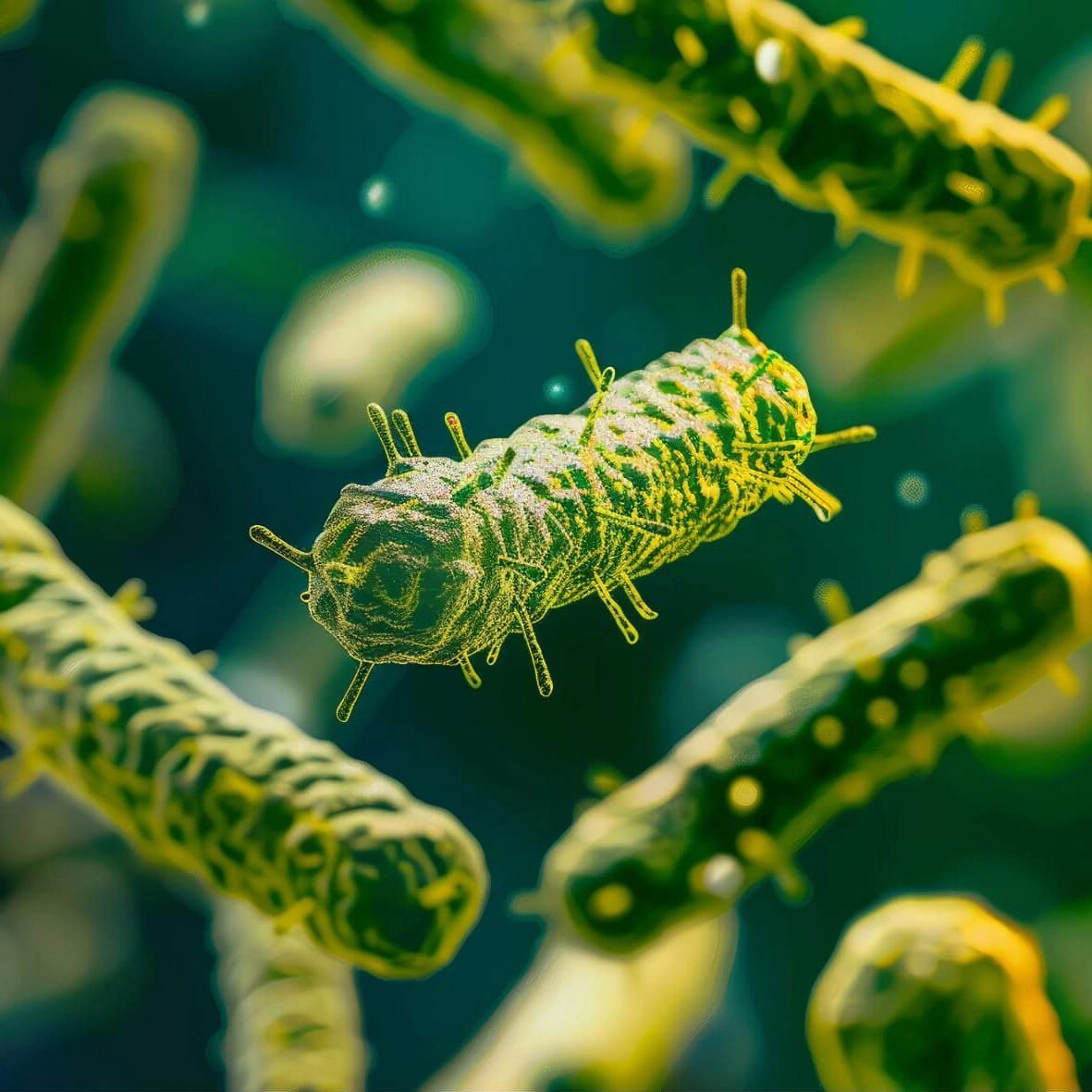
A biofilm is a kind of protective hideout for bacteria. When microorganisms attach to a surface and come into contact with moisture and food residues, they form the biofilm together. This layer consists of a strong matrix of sugars and proteins in which bacteria can hide and strengthen themselves.

How quickly does a biofilm form?
The process happens faster than you might think. Bacteria can attach themselves to a surface within just a few hours.
If conditions are favorable (moisture, food debris, the right temperature), a fully developed biofilm can form within 24 to 48 hours.
The danger is that biofilms can consist of disease-causing bacteria, such as:
Important to know about biofilm
Biofilms grow wherever moisture, food residues, and a surface come together, exactly the conditions present in almost every food processing environment. Think of floors, drains, pipes, cleaning equipment, and hard-to-reach corners of machines. Fortunately, there are smart solutions for this. For example, the Vikan cleaning tools from our range are designed to prevent hard-to-reach corners.
Why are biofilms a problem in the food industry?
The major danger of biofilms lies in their invisibility and resistance. They are usually not visible to the naked eye, while at the same time, they form a persistent refuge for bacteria.
A biofilm causes:
The consequence? An increased risk of product contamination, quality issues, and even recalls. And all while your production environment may look spotless on the outside.
How do you detect if a biofilm is present?
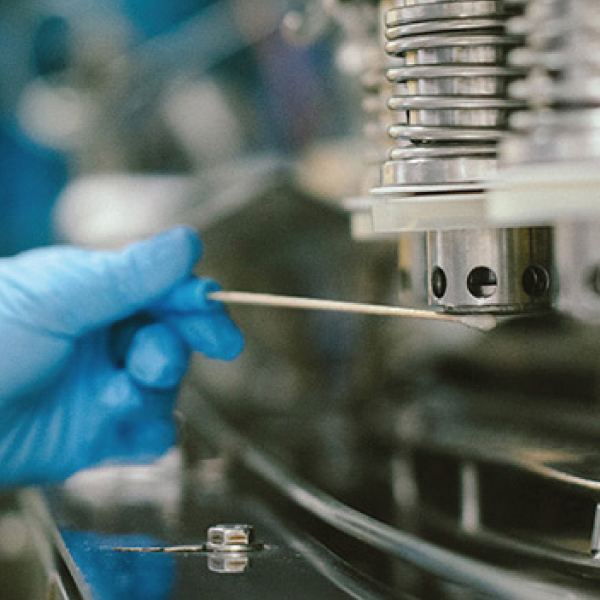
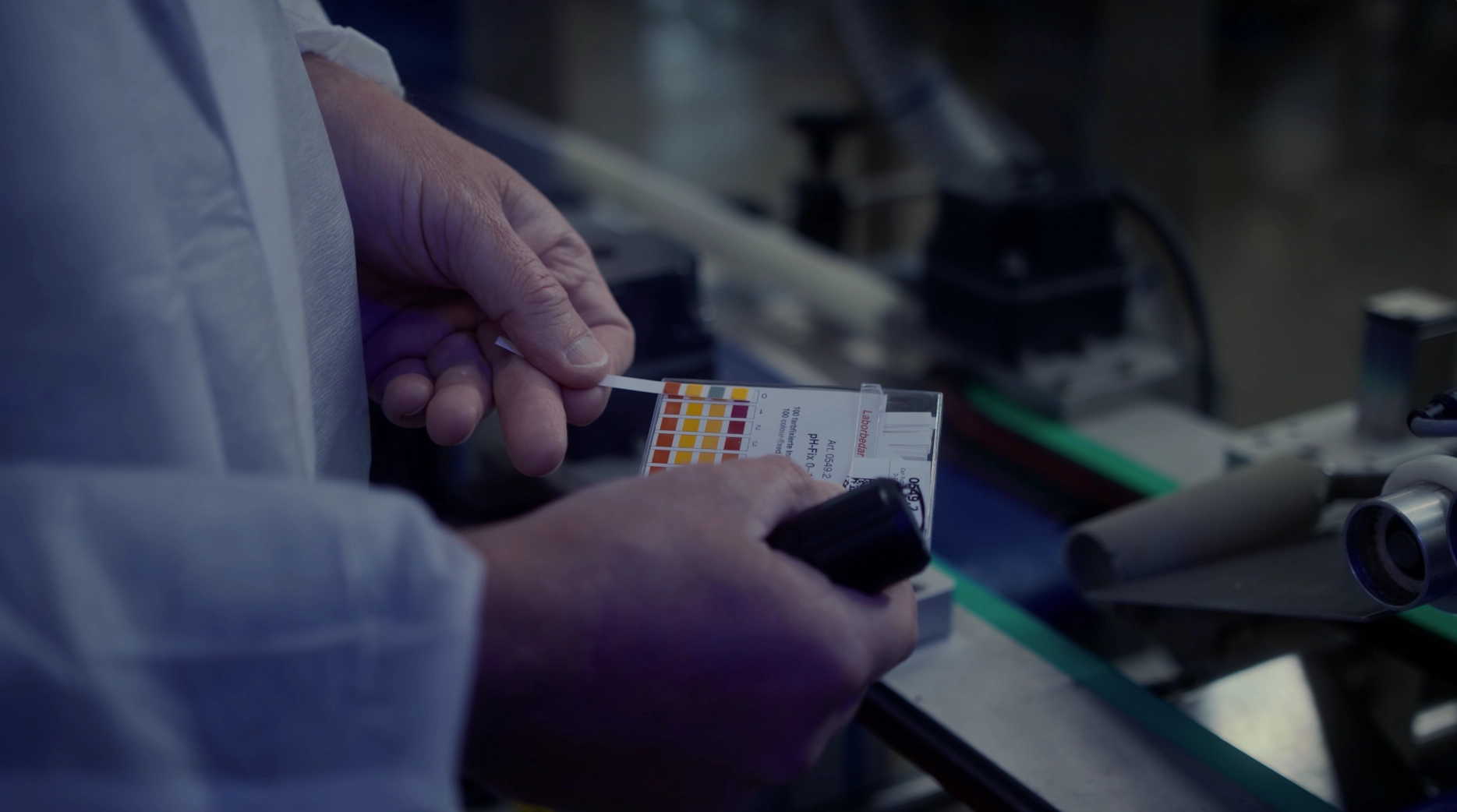
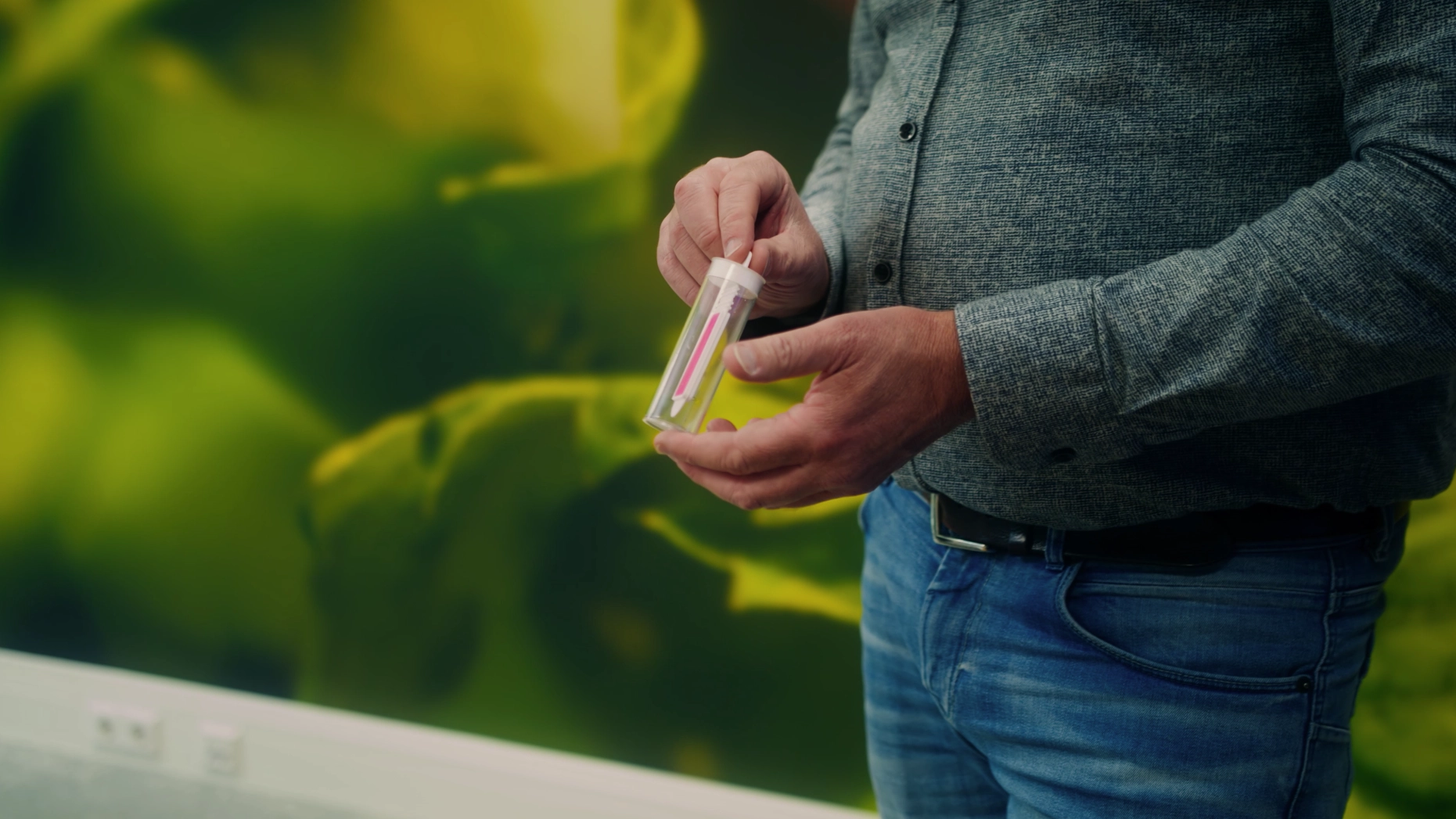
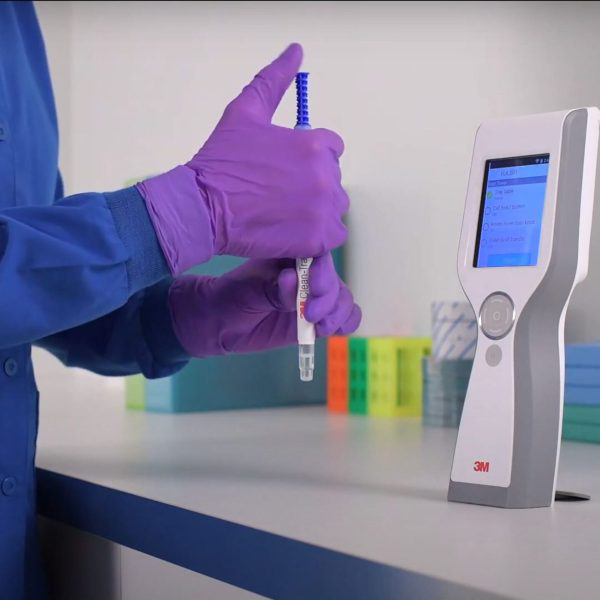
Because biofilms are often invisible to the naked eye, it is important to use methods that can establish their presence. There are several ways to check if surfaces are really clean:
Measurement and control
By conducting regular measurements and checks, you know whether your cleaning and disinfection procedures are truly effective and prevent a biofilm from quietly developing into a serious problem. In a separate blog post, we explain step by step what ATP measurements are, how they work, and why they are indispensable in a hygiene plan. Want to know more about it? Read our blog on ATP measurements.
How can you combat biofilms?
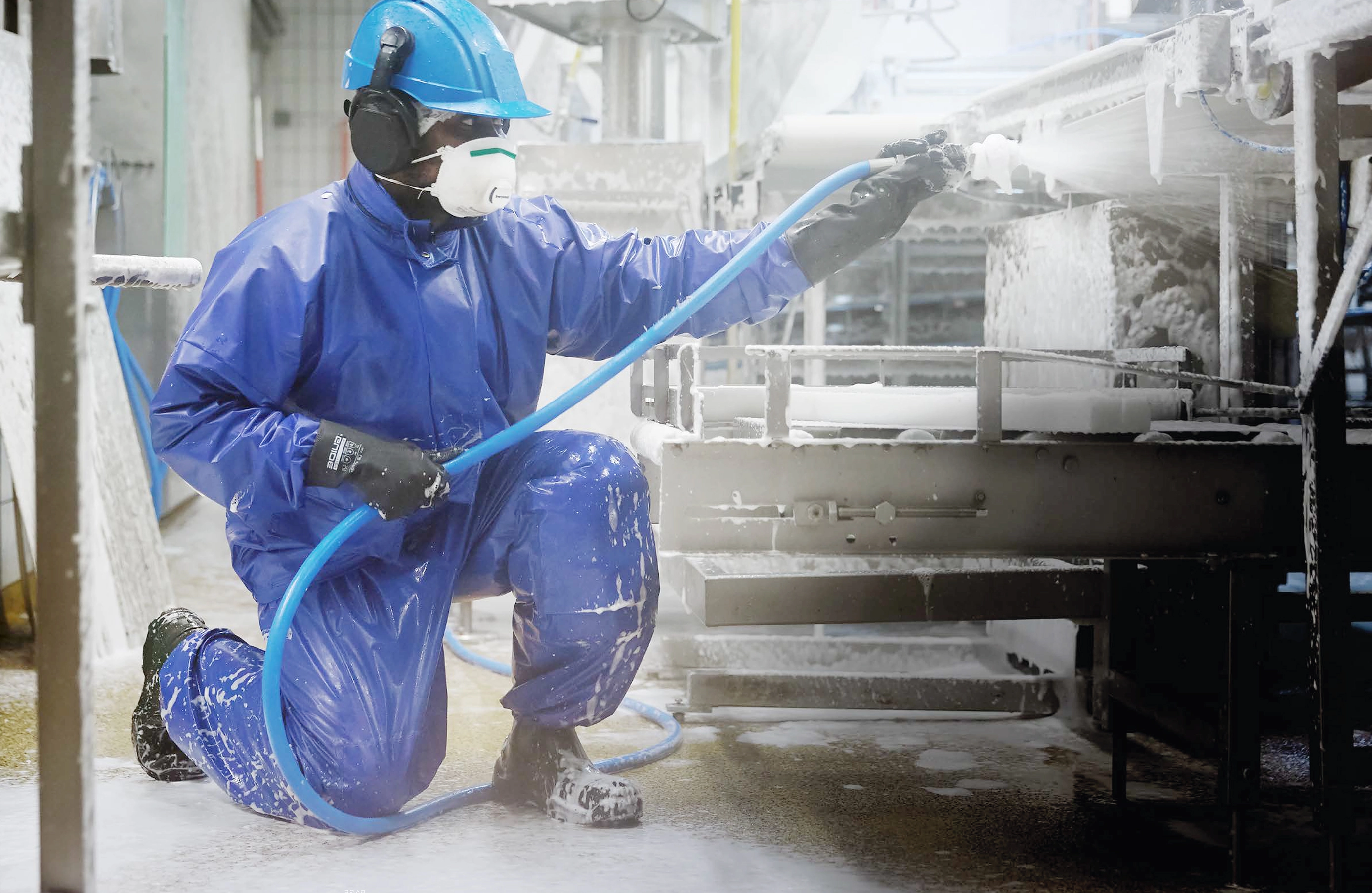
Combating biofilms requires a targeted and consistent approach. A standard cleaning is often not enough because the protective layer of the biofilm shields the bacteria. Below are the key steps.
1. Always clean first, then disinfect
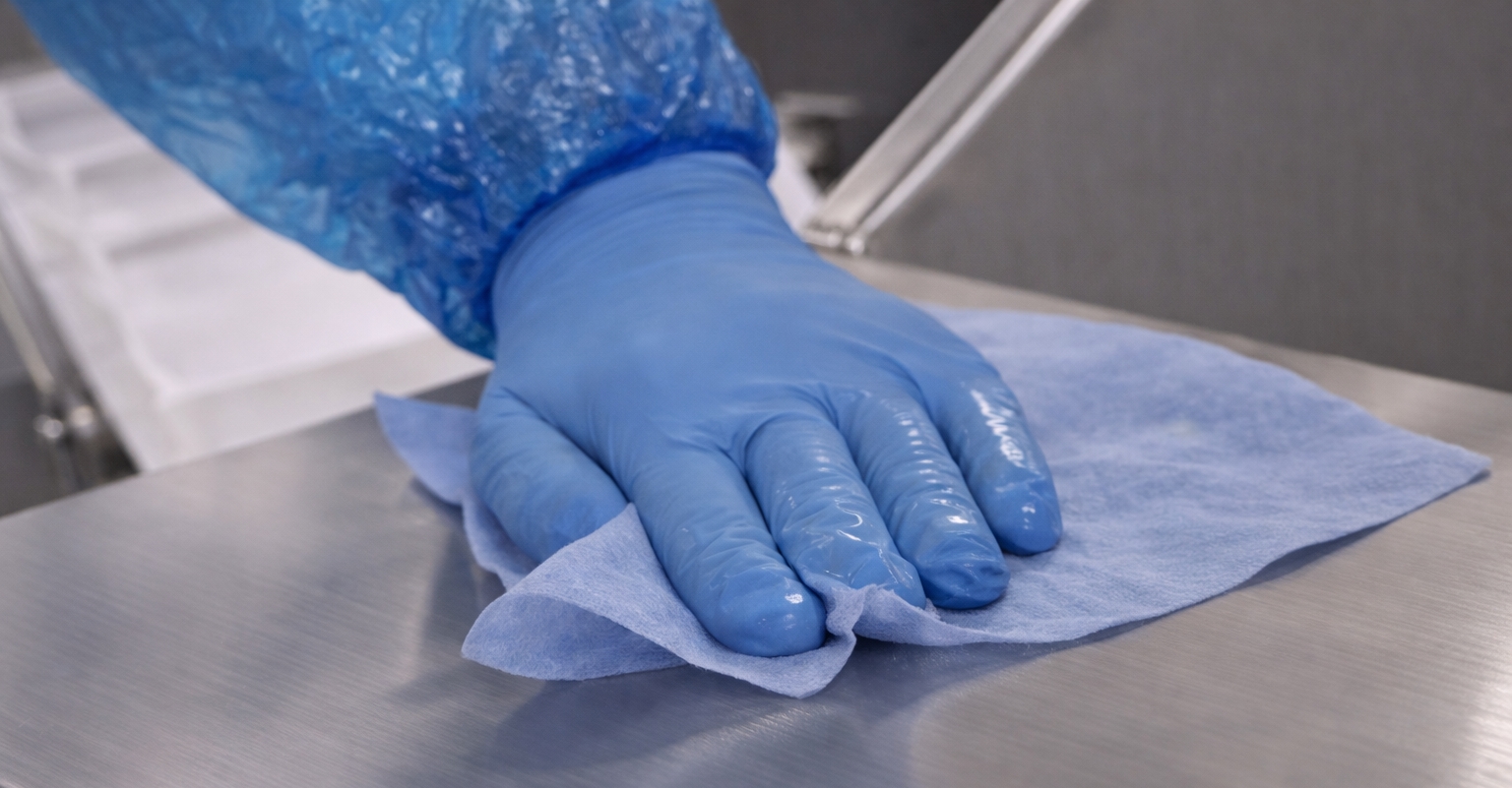
Cleaning removes dirt and product residue. Only then can disinfection be effective. If you skip the cleaning step, the disinfectant simply cannot penetrate the bacteria in the biofilm.
2. Apply mechanical force
Biofilms are firmly attached. Mechanical action, such as scrubbing with the right brushes or pads, is needed to break up the biofilm. Only then can the disinfectant do its job.
3. Use the right cleaning supplies
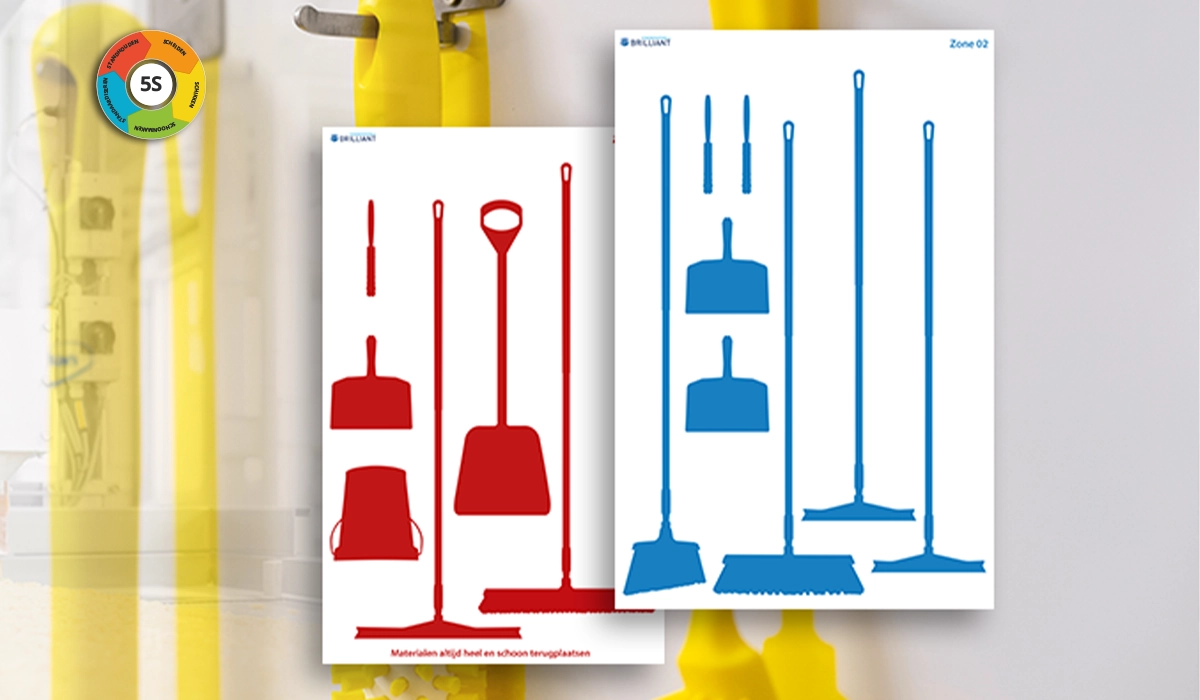
Poor-quality or worn-out equipment can actually contribute to the spread of bacteria rather than their removal. Therefore, choose hygienically designed tools that are easy to keep clean and do not harbor bacteria.
4. Establish clear cleaning and disinfection protocols
Make biofilm control a standard part of your hygiene policy. This includes establishing regular cleaning routines, performing periodic deep cleaning, and documenting the actions taken.
Prevention is better than cure
Fighting biofilms is difficult, but prevention is always better than cure. With the right preventive measures, you can reduce the chances of biofilms forming in the first place.
Practical tips for prevention:
- Regular maintenance and inspection
a) Ensure that pipes, drains, machines, and surfaces are well maintained. Worn or hard-to-clean materials are ideal places for biofilms. - Hygienic design of equipment and tools
a) Choose materials that are easy to clean and have no hidden corners where bacteria can accumulate. For example, Vikan materials. - Strict cleaning routines and audits
a) Establish clear cleaning plans and regularly conduct checks to ensure they are properly followed. Our Task Manager software makes this easy to manage, read more in our case study at Borgesius. - Training and awareness of employees
a) Ensure that employees understand that a clean surface is not always really clean. Awareness of biofilm helps to apply hygiene protocols more seriously and consistently. This can already be achieved by using online training. For this, you can check out our Brilliant Brains Bootcamp. - Collaborate with experts and suppliers
a) Work with reliable partners who specialize in hygiene products and cleaning solutions. This way, you are sure to use the right tools and materials to minimize risks.
Want to know more about how to effectively tackle biofilms in your production environment? Or are you curious about which cleaning materials and approaches best suit your situation?