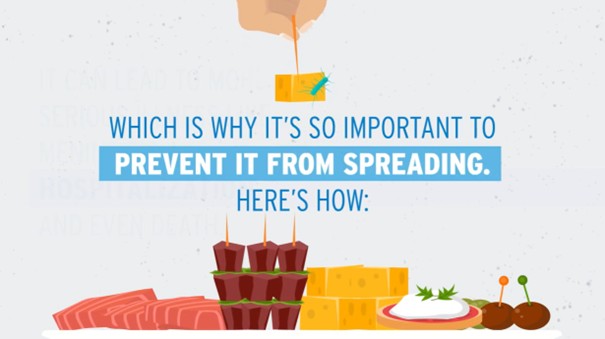
Listeria monocytogenes is a notorious bacterium that poses a serious threat to food safety. What makes this bacterium so dangerous is its ability to survive and thrive in cold and damp environments. These conditions are common in the food industry. Production environments with frequent temperature fluctuations and moist storage areas are at the greatest risk for Listeria.
But which sectors are most vulnerable? What are the risk areas in production environments and how can you as a producer mitigate Listeria risks?
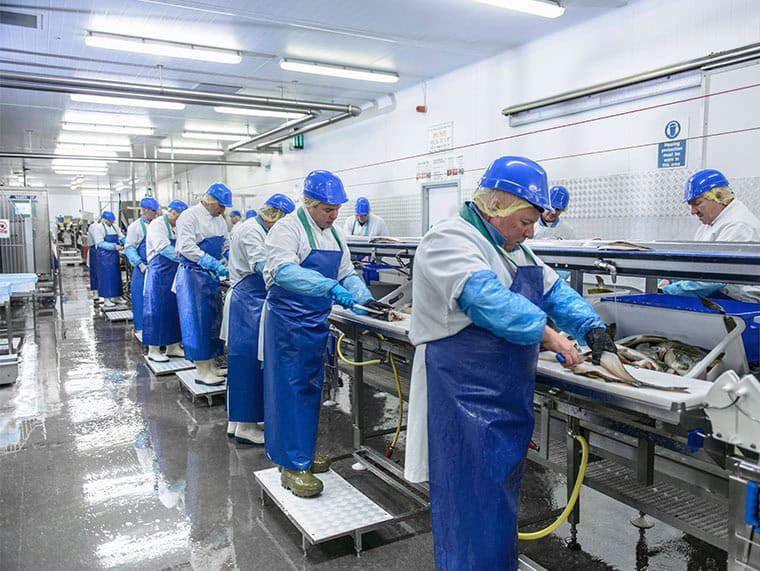
The listeria risk in the meat processing industry
Listeria poses a significant risk in meat processing companies because the bacteria can survive and grow in chilled and moist environments. Think, for example, of cutting and packaging areas. Drains and pits are often difficult to clean, leading to the formation of biofilms. Biofilms are a persistent source of Listeria contamination. Additionally, recontamination can occur after the heating process, particularly in packaged meats. Strict hygiene protocols and a well-thought-out cleaning regime prevent (re)contamination.
The dairy industry also faces listeria risks
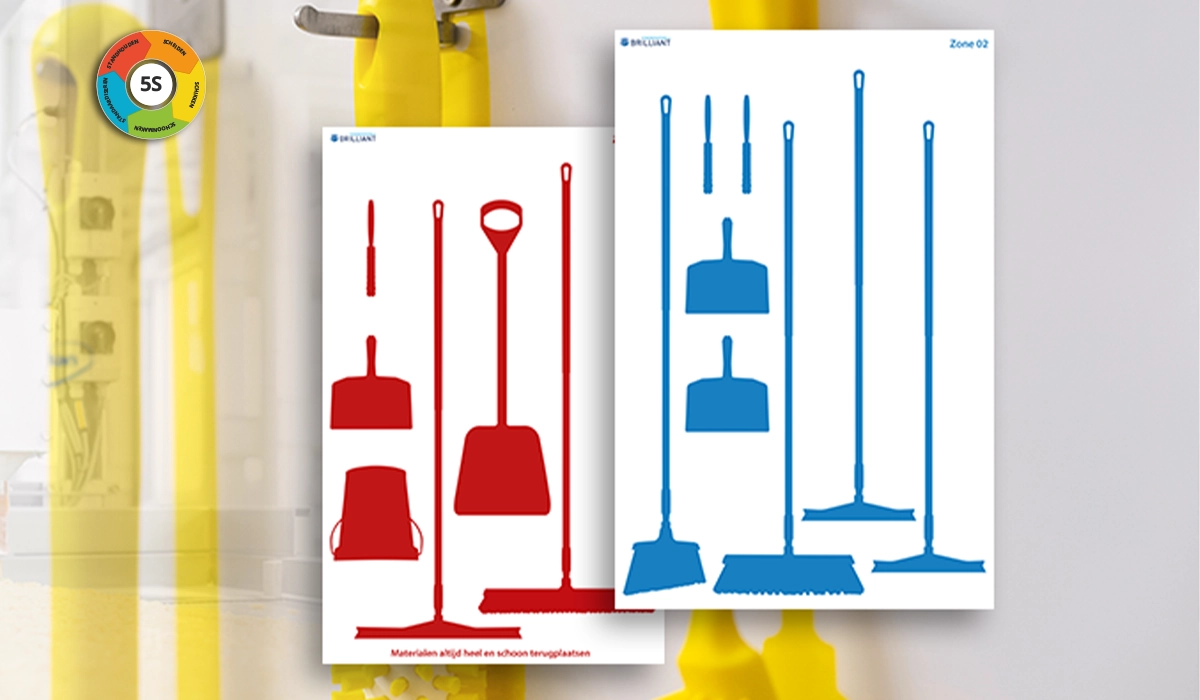
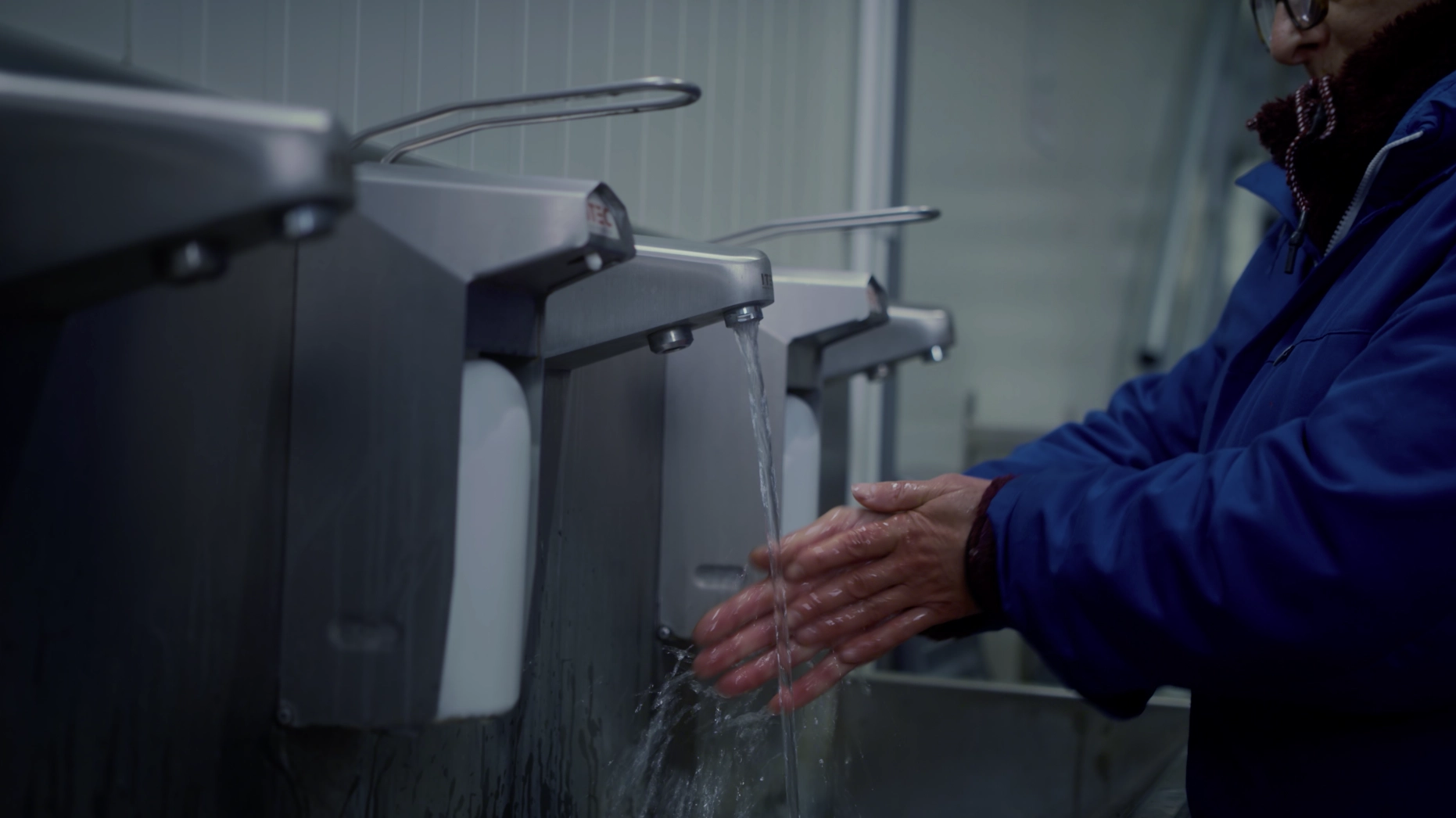
Listeria can pose a problem in the dairy industry, especially when using unpasteurized milk and in production lines where cheese ripening and storage take place. Due to the long shelf life of certain dairy products, contamination can persist and spread over a prolonged period. Listeria spreads in the production environment through cleaning materials, the transfer of contaminated products or pallets to clean areas, and via the hands of employees.
Furthermore, condensation in storage rooms and equipment can contribute to the spread of the bacteria. In areas with high humidity, Listeria can spread via droplets on surfaces, especially if the temperature is not properly regulated or if there are dead corners in the ventilation system.
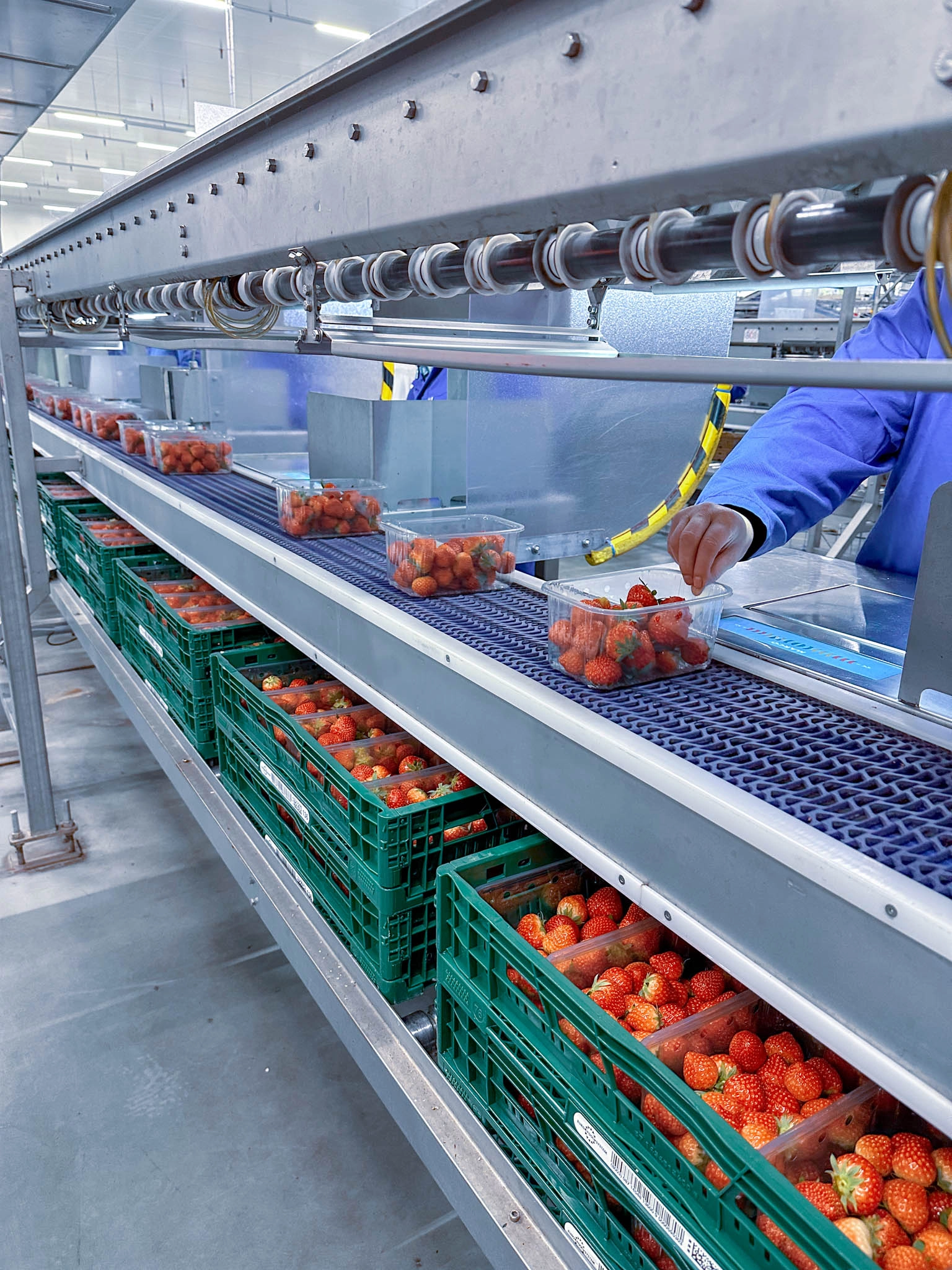
Since consumers often eat fruits and vegetables raw, the risk of contamination is also higher. Therefore, be extra vigilant about food safety!
Ready-to-eat meal industry and listeria risks
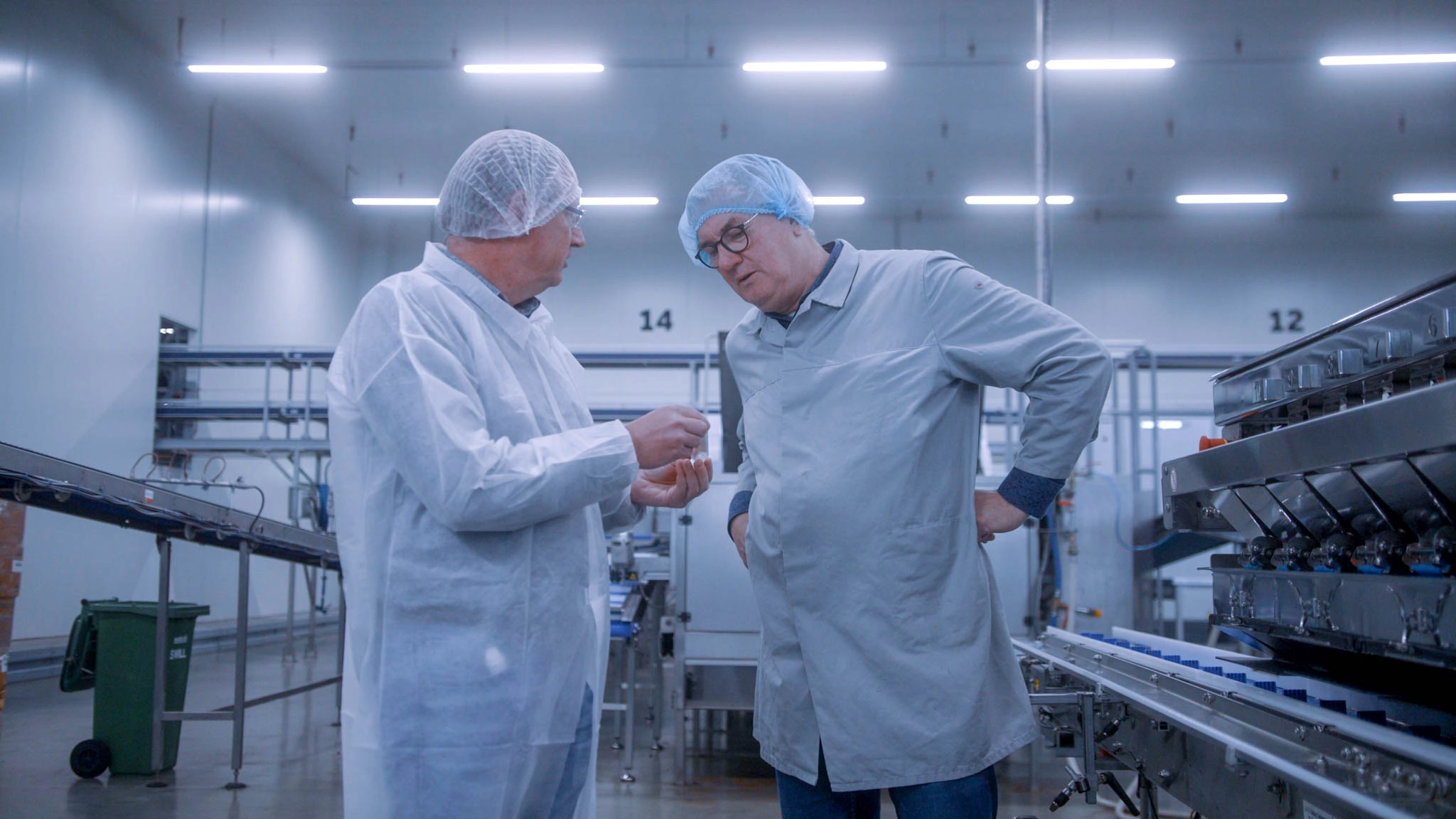
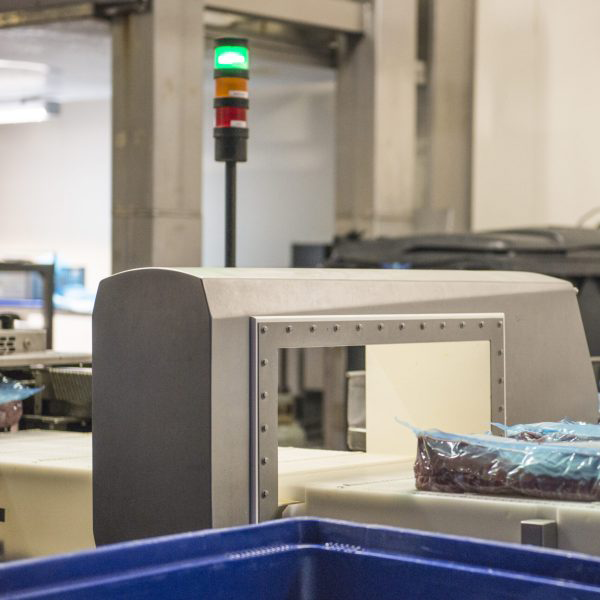
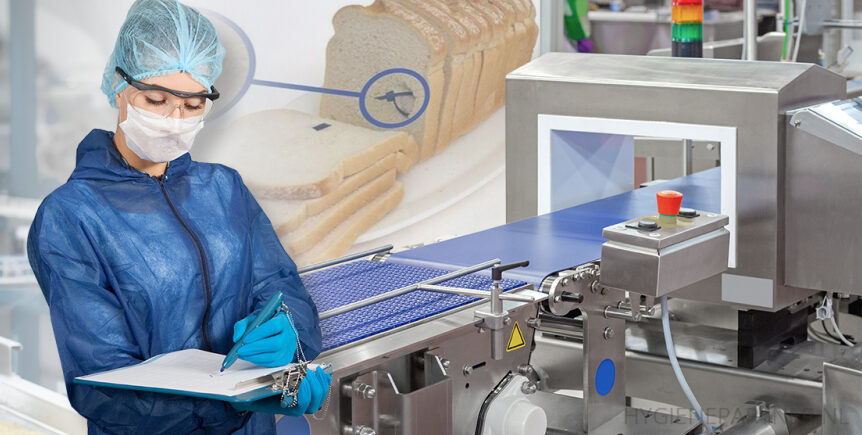
The ready-to-eat meal industry processes products that are often consumed directly without additional heating. Slicers, packaging machines, and conveyor belts are critical points where the bacteria can settle. The complexity of the production process requires strict hygiene policies and constant monitoring.
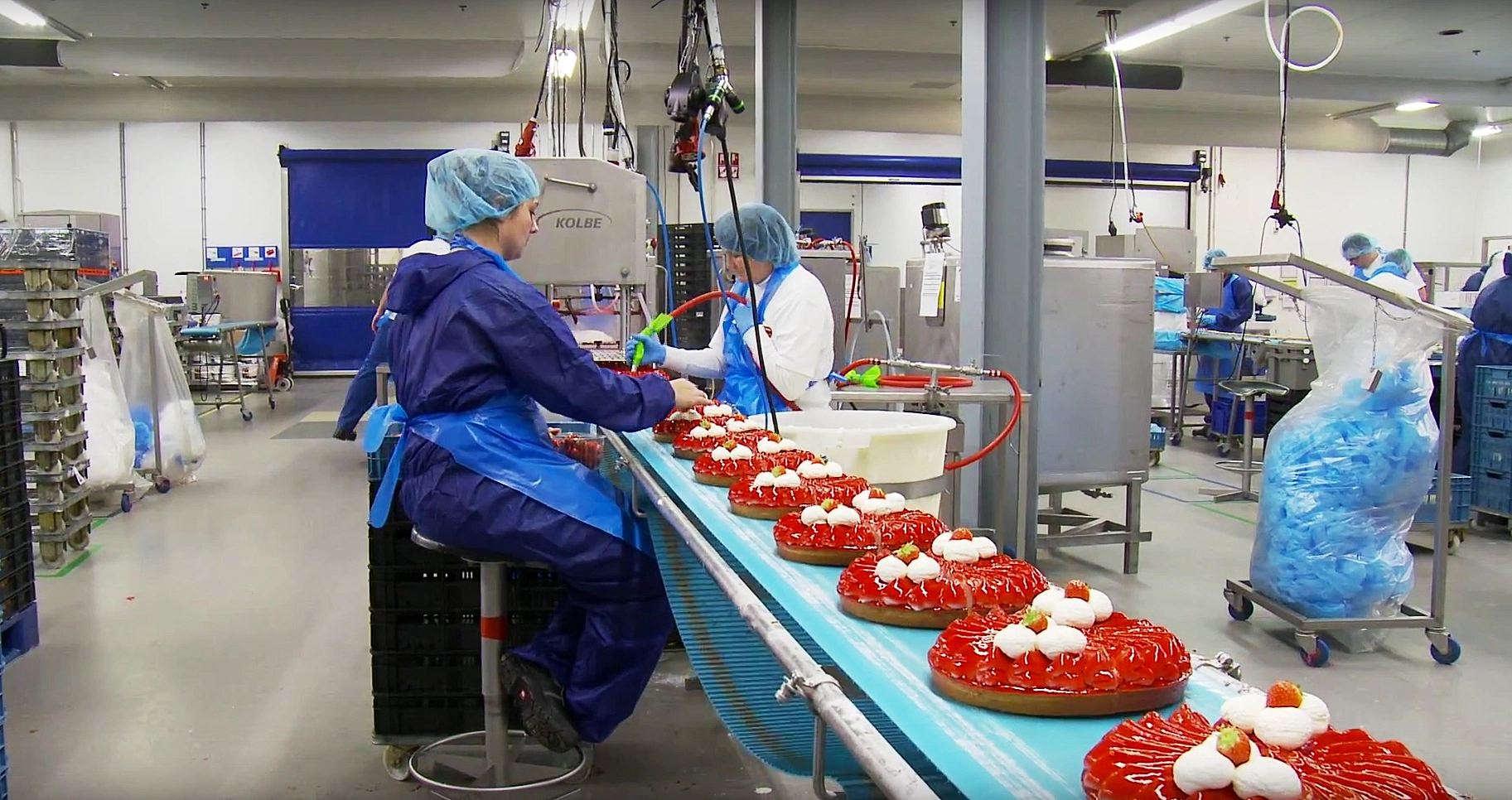
Listeria risks also present in bakeries and dough processing
Although dry bakery products are less risky, production sites where fresh dough, pastry fillings, and cream products are processed pose a potential contamination hazard. Machines and workbenches can be difficult to clean, and a moist climate in bakeries (due to steam and condensation) provides favorable conditions for the growth of Listeria. Preventive measures and frequent cleaning routines are necessary to minimize the risk.
How to minimize the risk of listeria in production environments?
An effective hygiene plan is key to minimizing Listeria risks in the food industry. This includes:
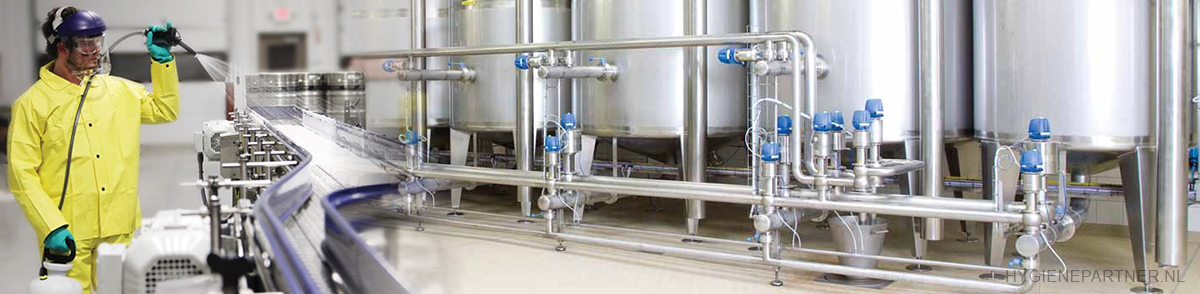
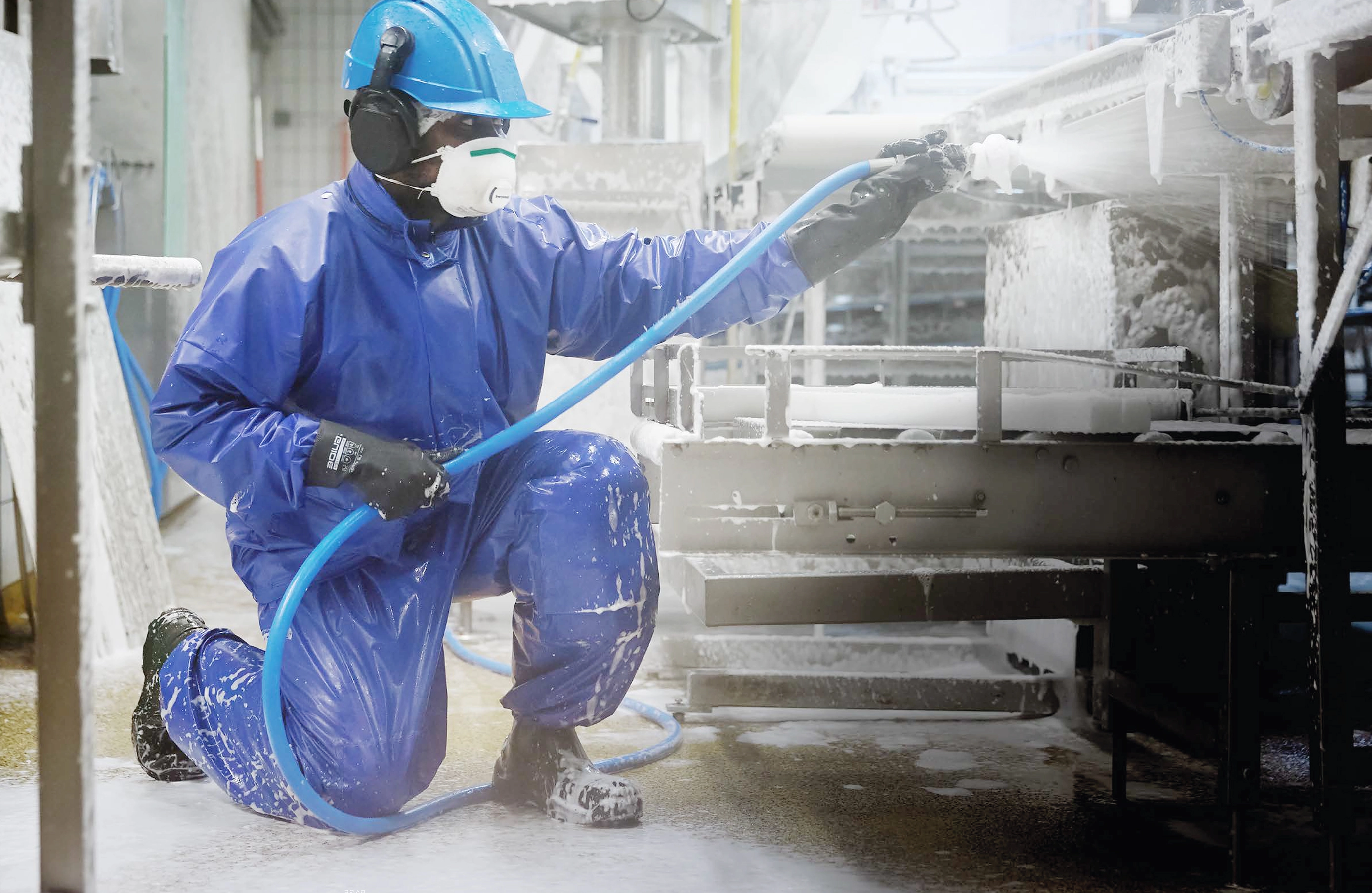
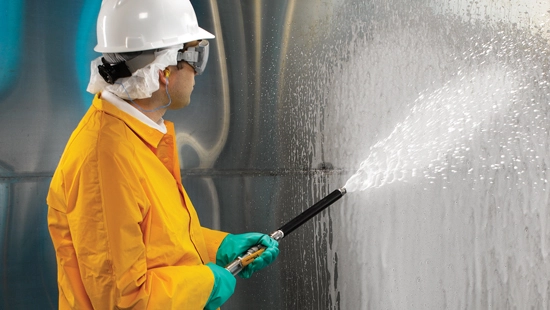
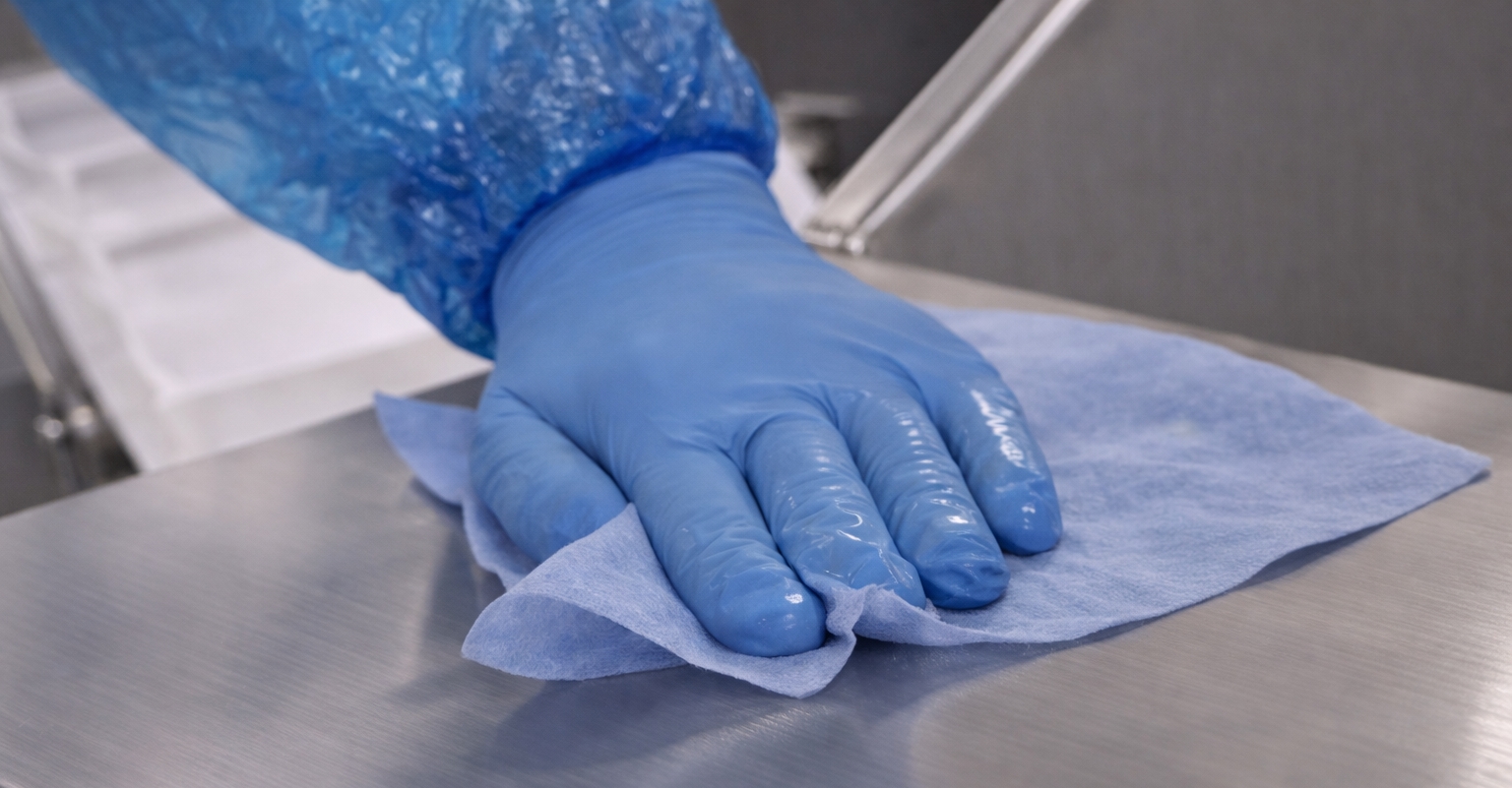
- Thorough and frequent cleaning of all production equipment, including hard-to-reach places such as conveyor belts and slicers.
- Strict temperature control to inhibit the growth of the bacteria.
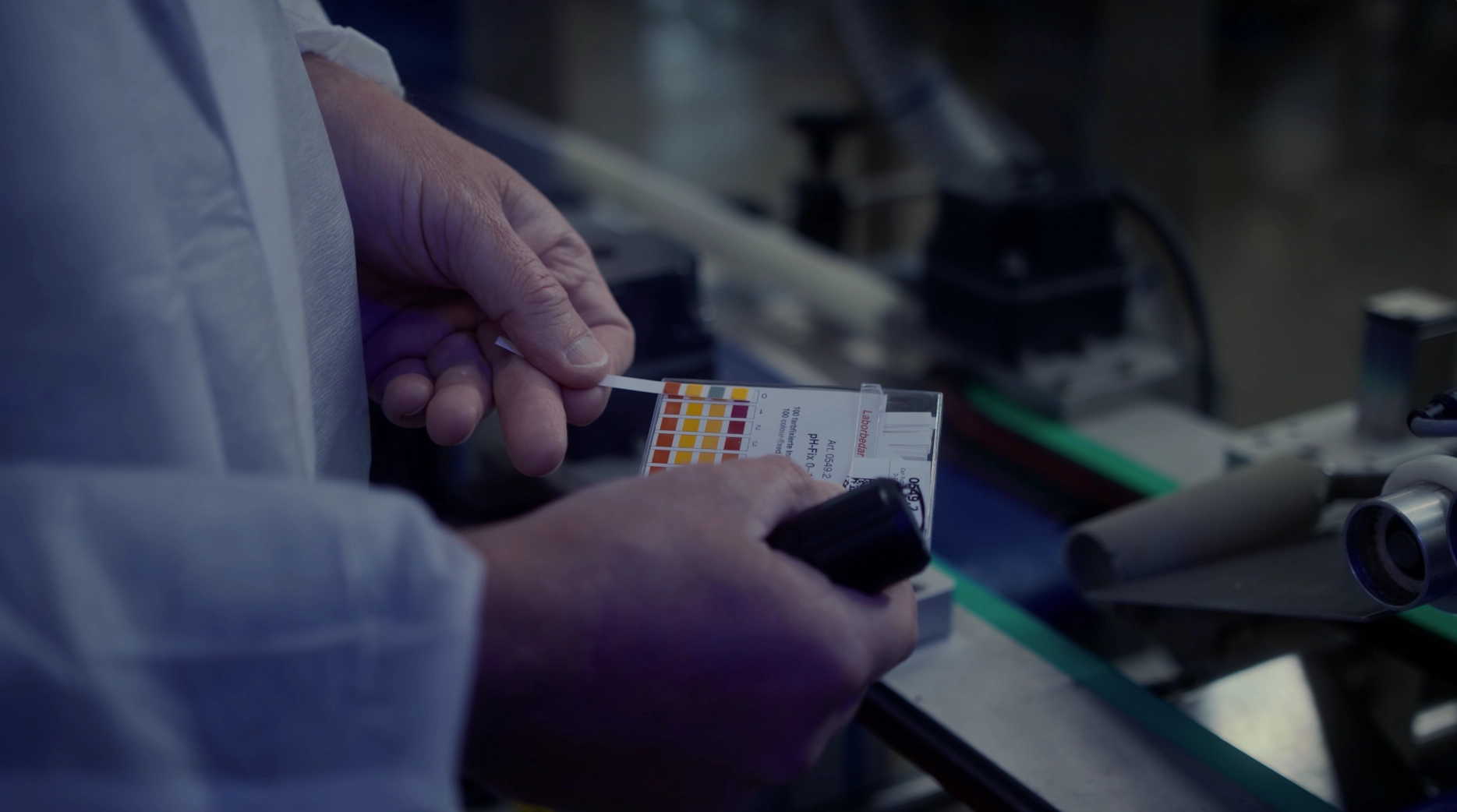
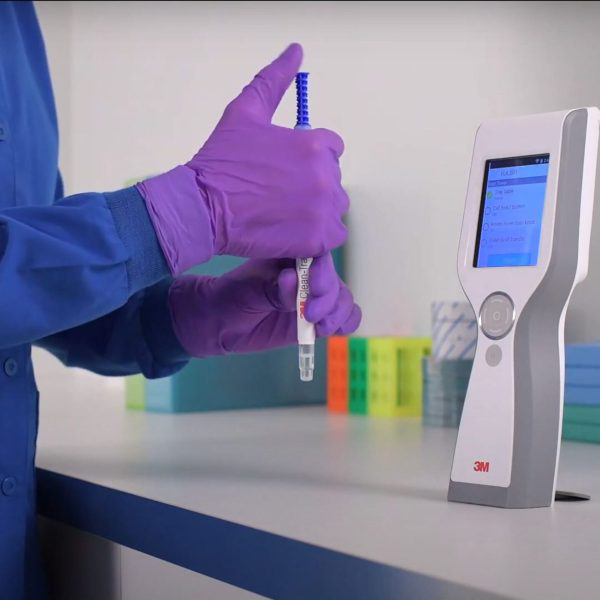
- Monitoring and testing for Listeria in high-risk zones within the production site.
- Preventing condensation through well-optimized humidity control.
- Training programs to make employees aware of the importance of hygiene and food safety.
In this blog, you'll read more about tackling a Listeria challenge in your production environment.
How can Brilliant help reduce the risk of Listeria?
At Brilliant, we understand the significant impact a Listeria contamination can have. That's why we offer:
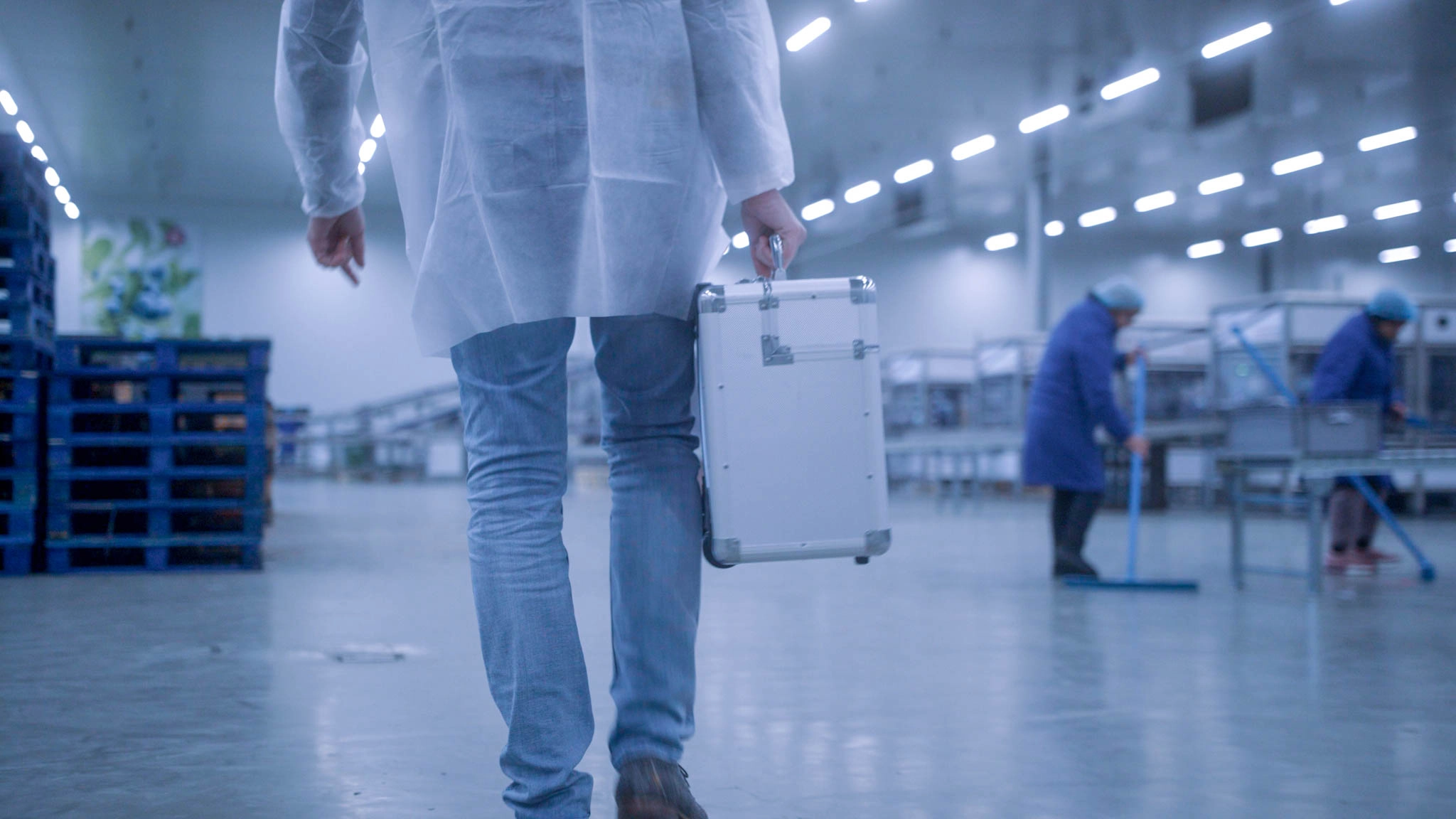
- Hygiene scans to map risks in your production environment.
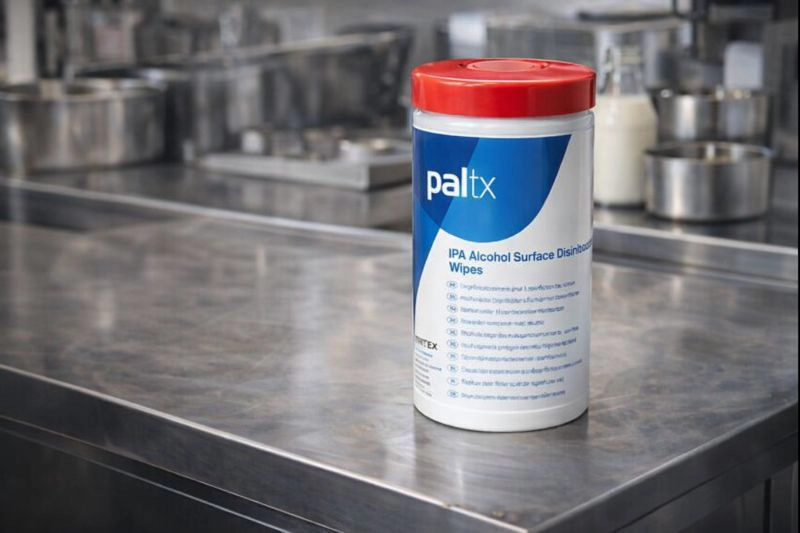
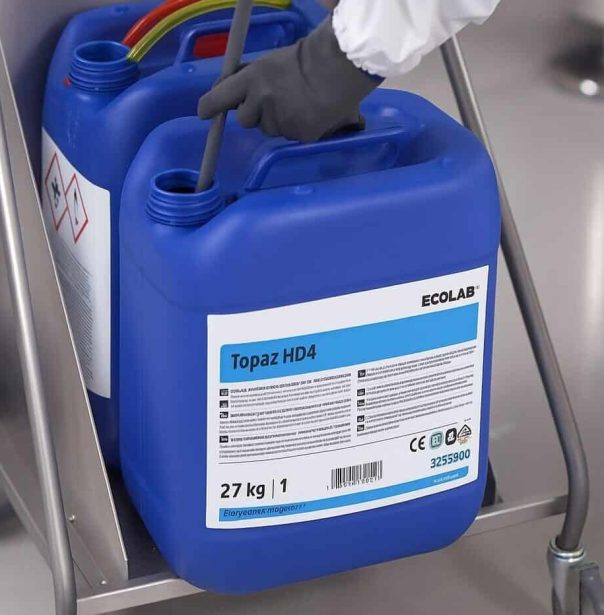
- Specialist cleaning and disinfecting agents, food wipes, and cleaning materials for effective Listeria control.
- Monitoring equipment such as swabs, dipslides, and ATP tests.
- Brilliant Brains Bootcamp: a personalized learning environment for hygiene training.
- With Task Manager, you can plan, track, and monitor both the cleaning plan to prevent Listeria and the monitoring plan. This is organized and saves time!
With the right, appropriate approach, you keep your production environment Listeria-free and ensure the highest food safety standards.
Stay informed about developments
Do you want to stay informed about important developments in the industry, new regulations, and innovative hygiene solutions? Subscribe to our newsletter.
✔ Receive relevant updates on food safety and hygiene
✔ Stay informed about new legislation and standards
✔ Receive practical tips and innovative solutions for your business
Together, we work towards a (food)safe, hygienic, and sustainable future in the food industry.