According to the committee, it has been demonstrated that ethanol can be safely used for these applications. Thus, the substance meets the requirements of the European Biocidal Products Regulation (BPR), which stipulates that active substances must first be evaluated before products can be marketed.
Health risks of ethanol still under review by ECHA
The committee has not yet made a definitive statement on the possible classification of ethanol as:
- Carcinogenic
- Reproduction toxic
This is due to the remaining uncertainties in the available data:
- Insufficient data on dermal absorption
- Inhalation studies do not fully meet current guidelines
- Existing data is partly based on alcohol consumption (not representative of use for disinfection)
Additional research is being prepared.
Ethanol in disinfection: implications for industry and hygiene practices
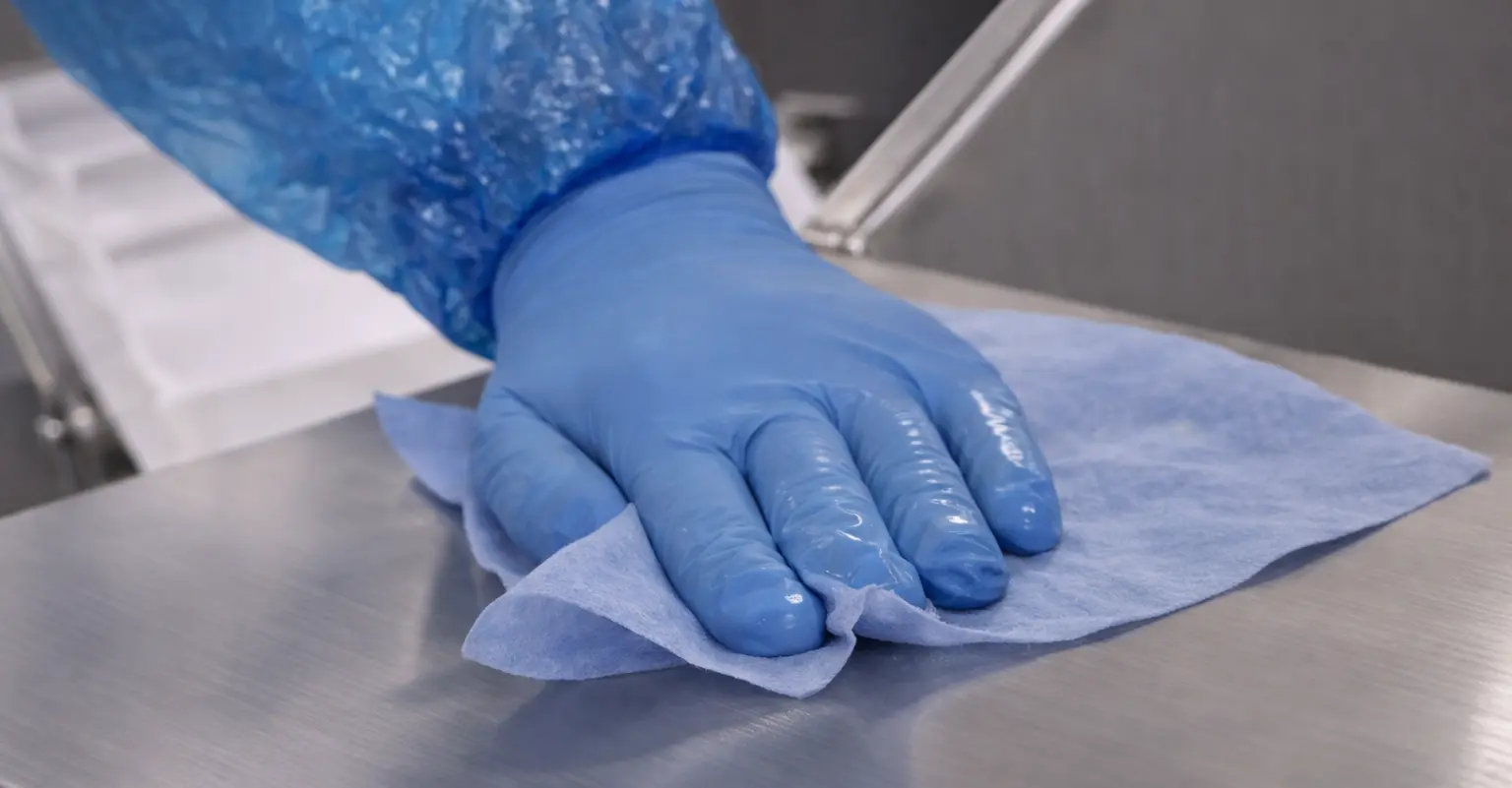
Ethanol plays a crucial role in daily hygiene and infection prevention. It is widely used in areas such as:
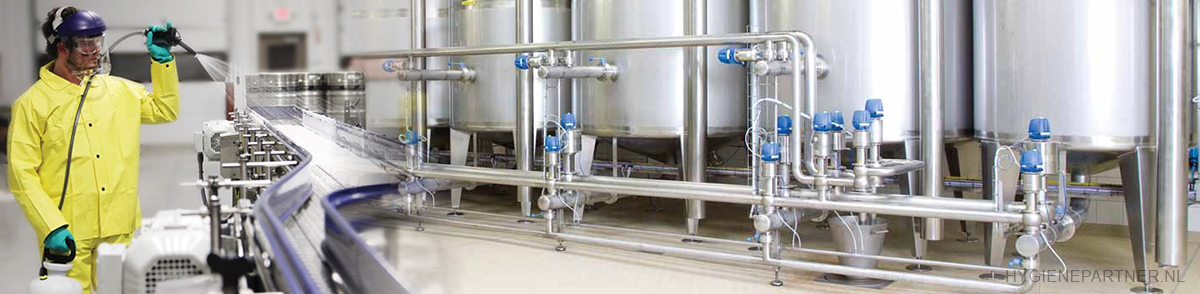
- Food industry.
- Cleaning and facility management.
- Hospitals and healthcare facilities.
- Household disinfection.
The positive advice from ECHA provides more certainty for producers and users of disinfectants. However, there remains a need for attention to future classification decisions, which may impact labeling and usage conditions.
Follow-up process: how the approval of ethanol proceeds in Europe
The advice of the BPC is not yet a definitive approval. The European Commission ultimately makes the decision.
The next steps are: