

Select a colour and mate

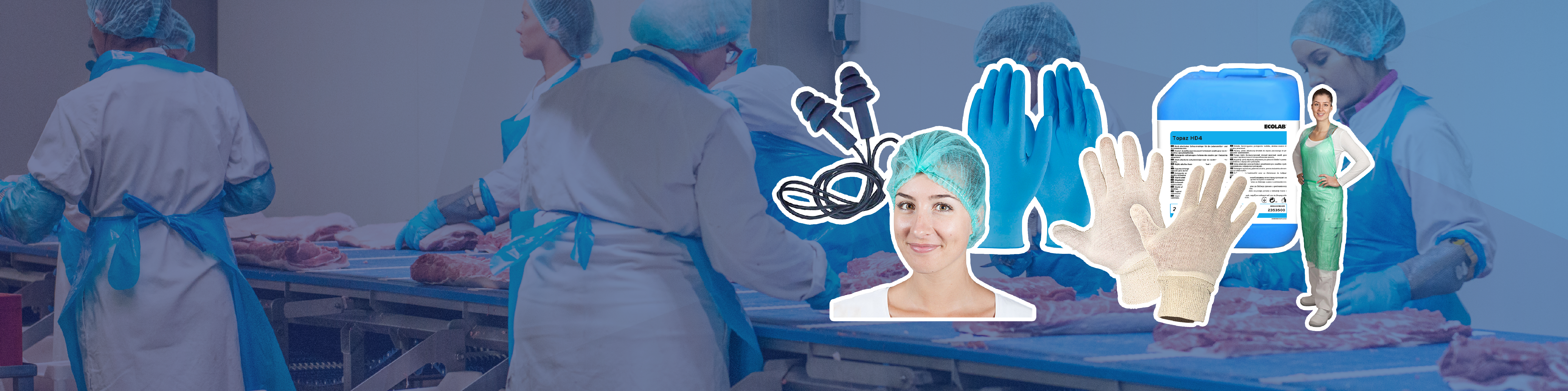
On this page, you will find a selection of our range which together forms a complete overview of hygiene and safety solutions, specifically tailored to the meat and poultry industry. Everything is neatly bundled, so you can quickly and easily find the right products and solutions that meet the requirements and processes within your sector.
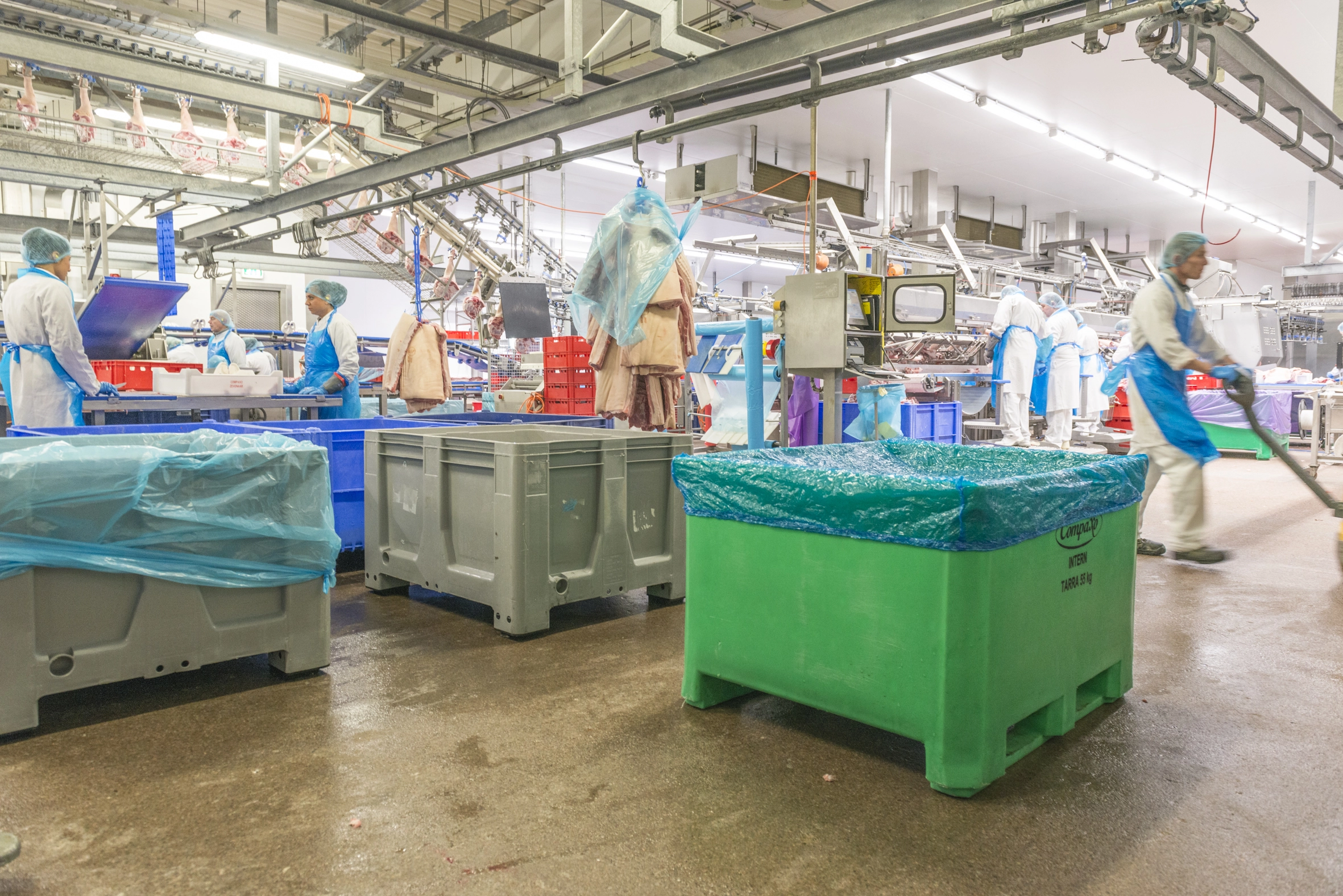
It is important that personal hygiene and hand protection are applied consistently and correctly. Employees must be protected from demanding working conditions, while ensuring hygienic practices and compliance with regulations. This selection from our assortment is specifically designed to effectively meet these needs.
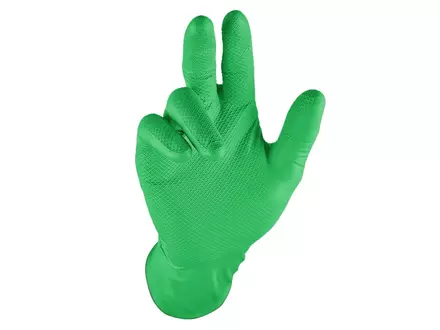
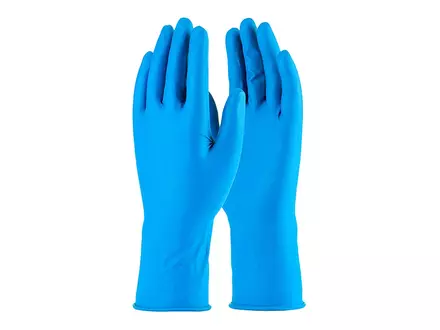
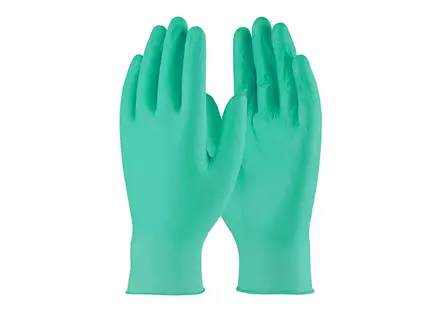
Our nitrile gloves are strong, food-safe and powder-free. They offer high tear and chemical resistance, help prevent cross-contamination and, thanks to their colour, are easy to detect visually in the food industry.
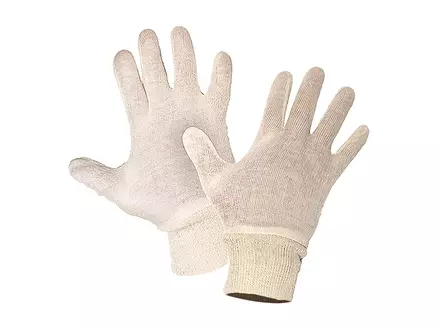
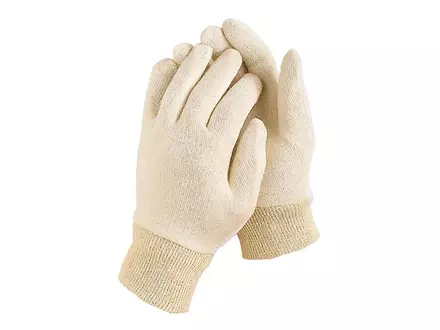
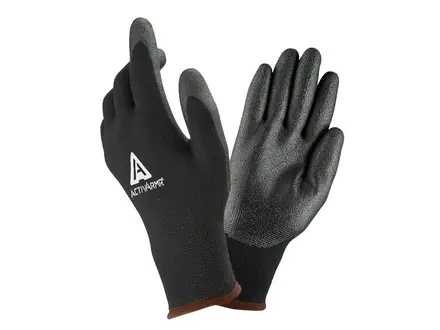
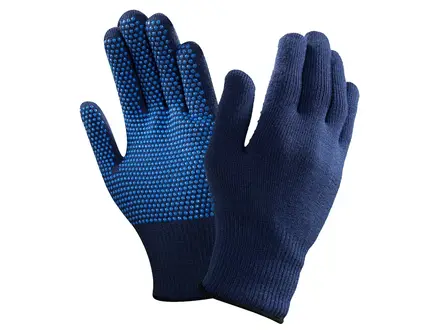
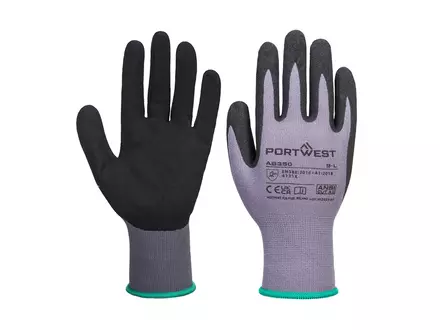
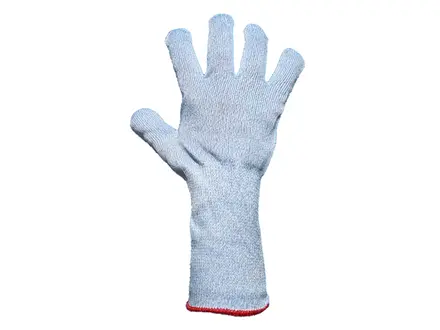
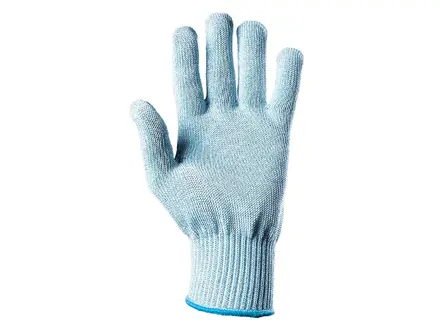
PPE gloves for the meat and poultry industry provide optimal protection and comfort during meat and poultry processing. They protect hands against cuts, cold and contact with raw products, contributing to a safe and hygienic working environment within the food industry.
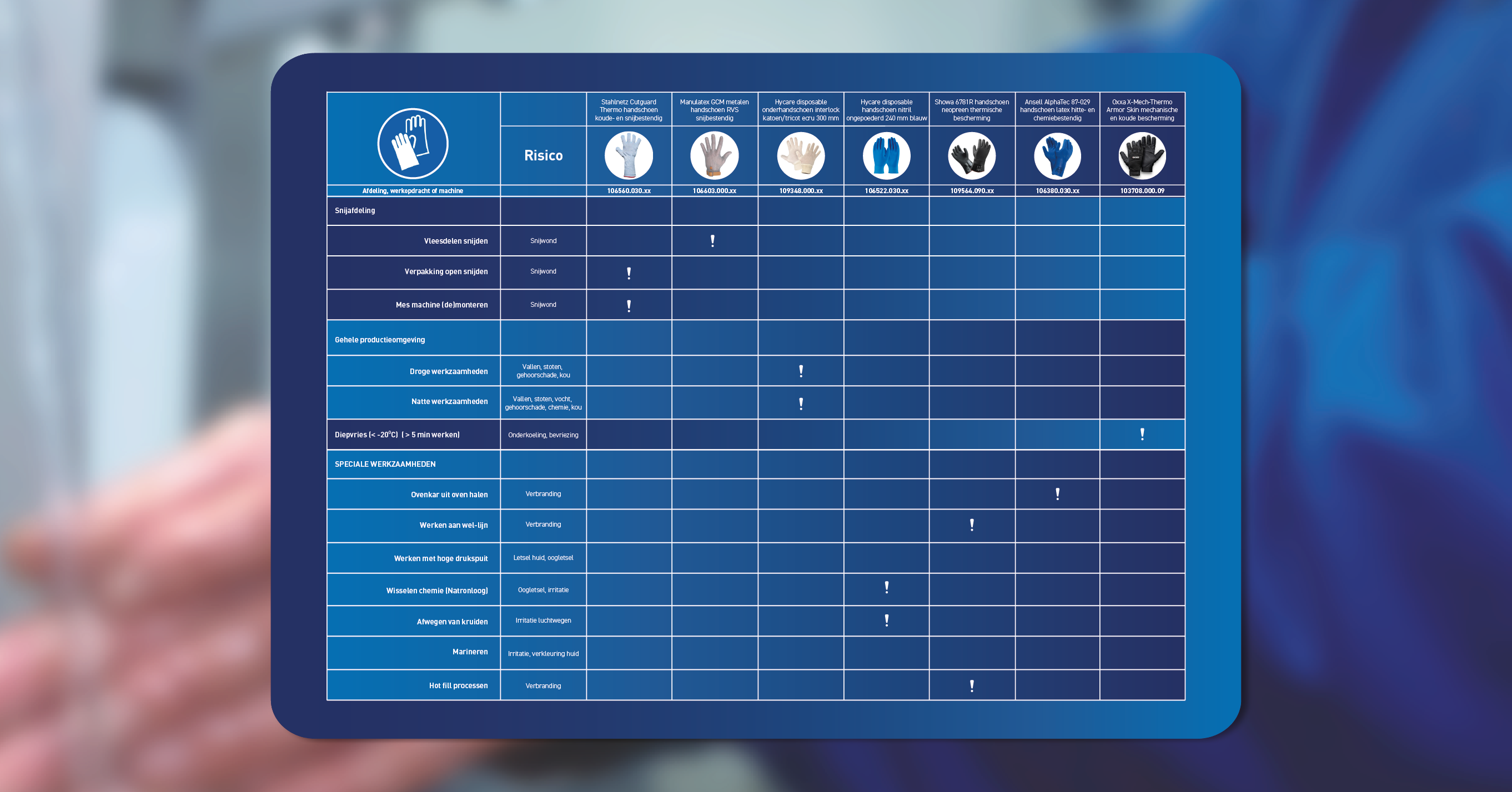
We provide support in selecting and properly using PPE, which we can clearly organize within a PPE matrix so that it is clear which protective equipment should be used where and when.
Prevent product contamination in meat and poultry processing
Working hygienically within meat and poultry processing goes beyond hand protection alone and requires a complete solution to prevent product contamination, while maintaining comfort and usability during daily operations.
Protect employees with PPE
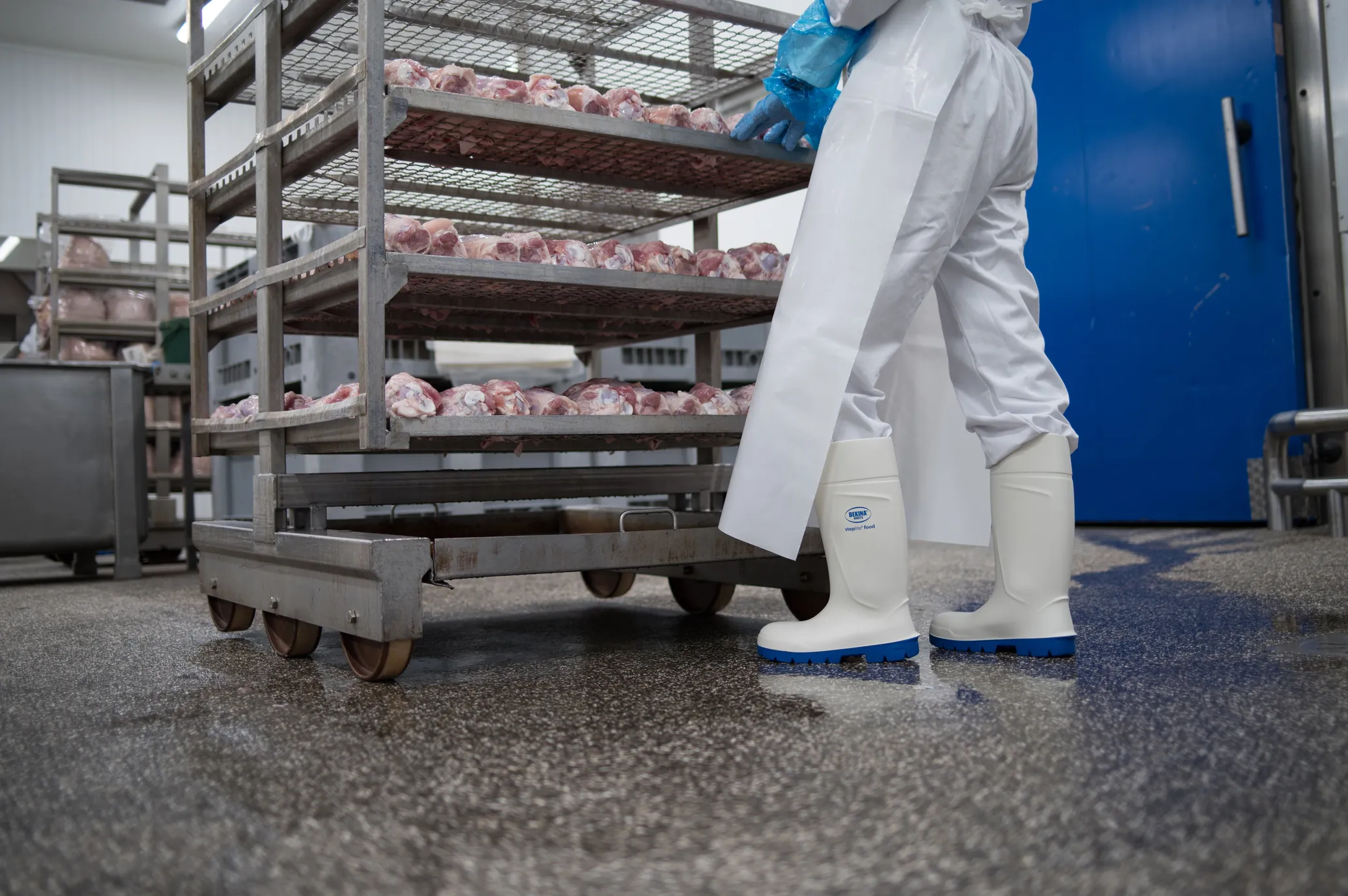
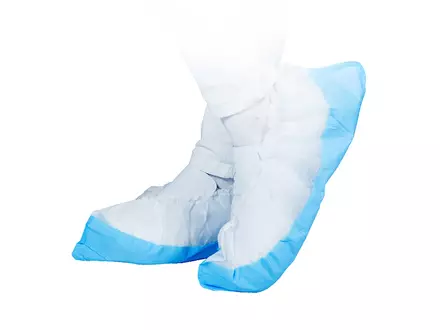
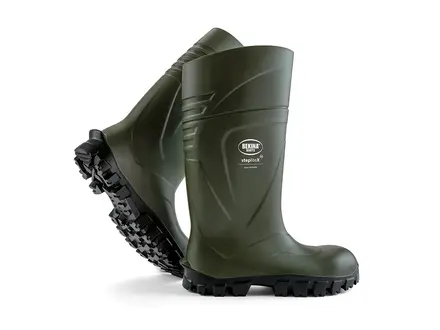
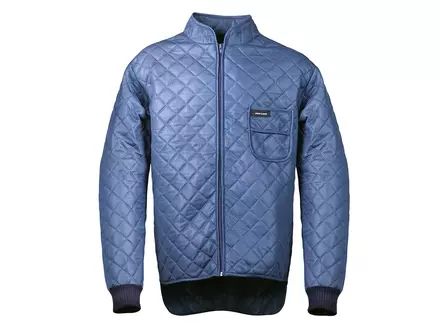
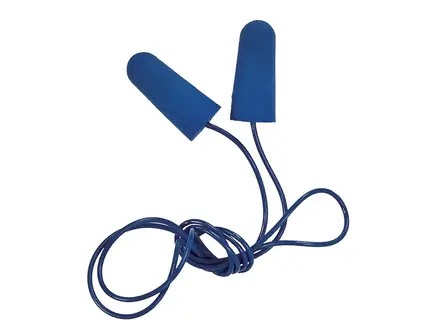
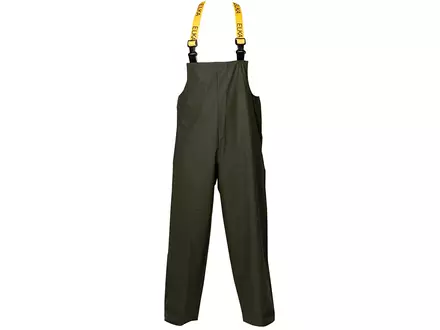
Working in the meat and poultry processing industry involves specific working conditions such as wet floors, noise exposure, temperature variations, and physical strain. While professional hand protection has already been addressed, additional personal protective equipment is required to ensure employees are structurally protected in accordance with applicable occupational health and safety regulations.
Working hygienically within meat and poultry processing not only requires personal protective equipment but also an effective and immediately deployable cleaning approach. In a production environment where contamination arises quickly, it is essential to clean workspaces and contact surfaces (intermittently) in a targeted manner. Solutions for both dry and wet cleaning support a rapid workflow, limit cross-contamination, and contribute to continuously ensuring hygiene without unnecessarily interrupting the production process.
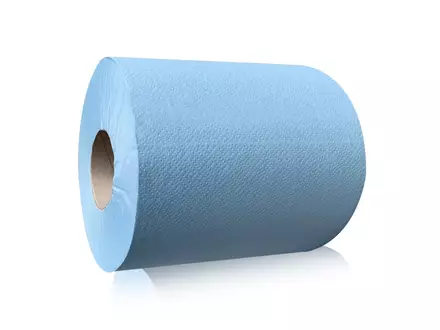
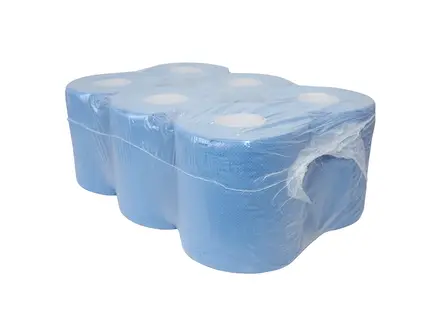
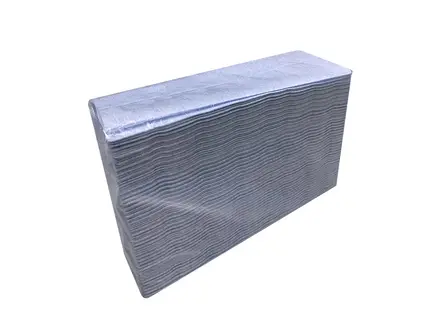
Paper and wiping cloths ensure quick and hygienic cleaning of work surfaces, machines, and hands, helping to prevent cross-contamination. By immediately absorbing dirt, grease, and moisture, they support a clean working environment and contribute to compliance with strict hygiene and food safety standards.
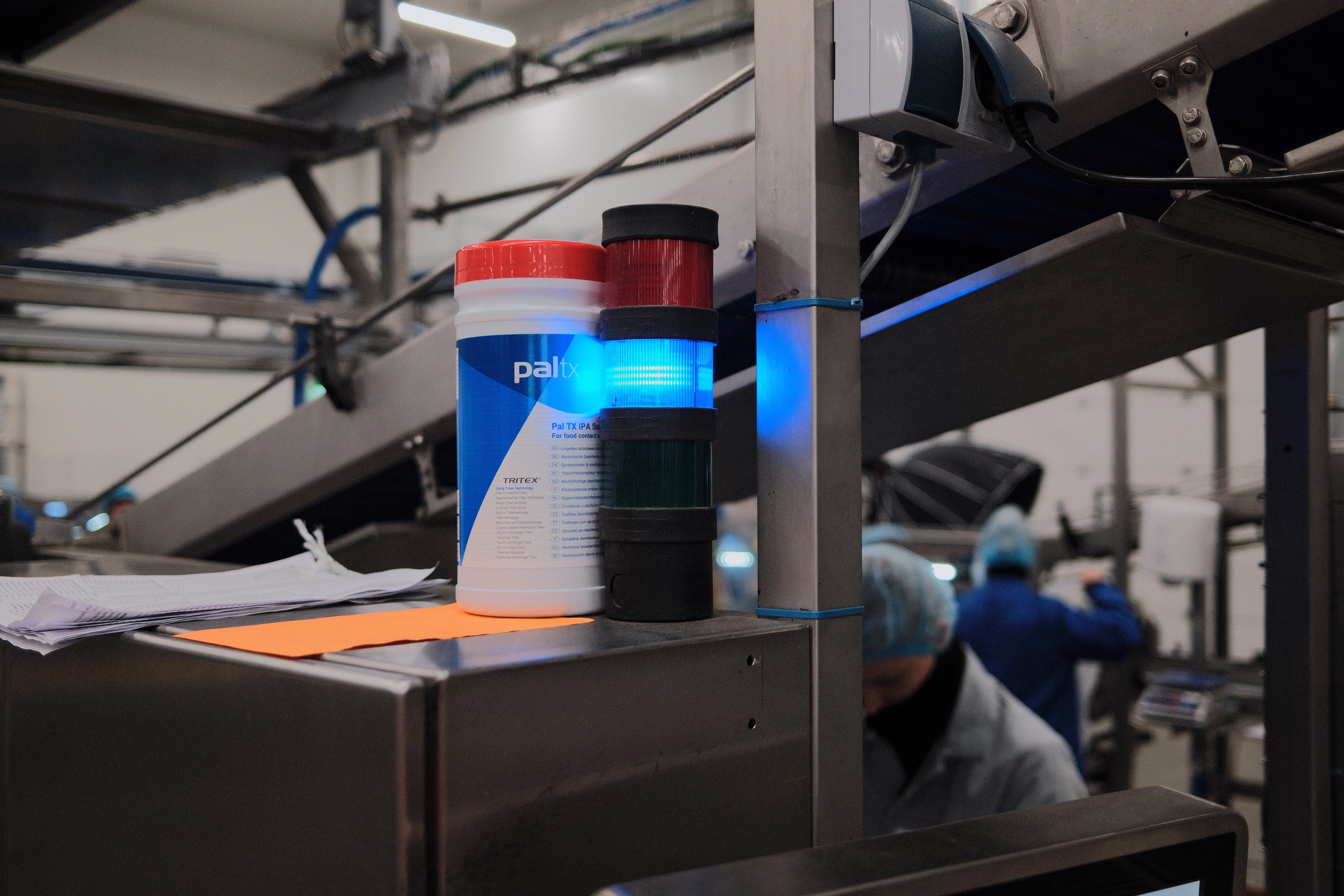
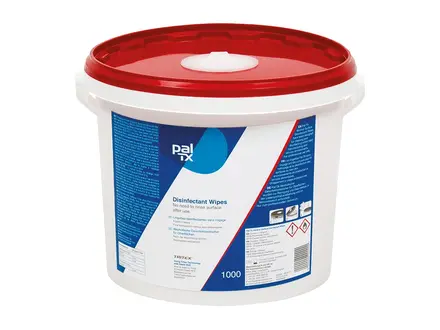
In the meat and poultry industry, quick and reliable hygiene is essential. The PAL TX IPA Disinfection Wipes Food Safe are specially developed for effectively disinfecting hard surfaces in environments where food safety is paramount. The wipes contain 70% isopropyl alcohol (IPA) and ensure residue-free disinfection without rinsing.
Thanks to the strong non-woven material and the distinctive blue color, the wipes are ideal for intensive use on production lines and work surfaces. Available in buckets of 200 and 1000 wipes, ideal for both smaller workspaces and large-scale production environments.
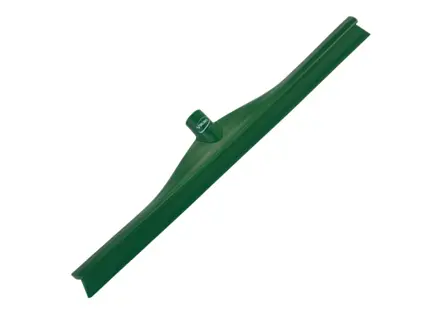
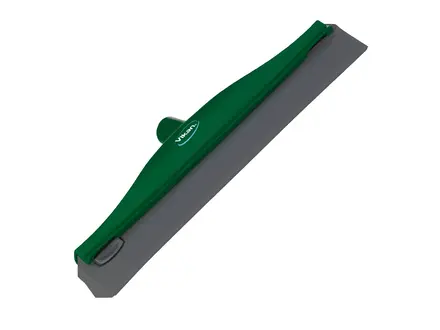
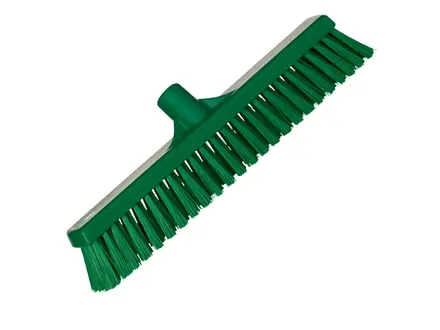
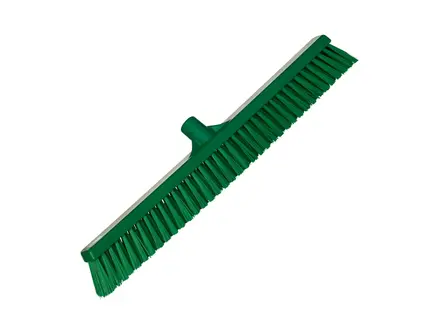
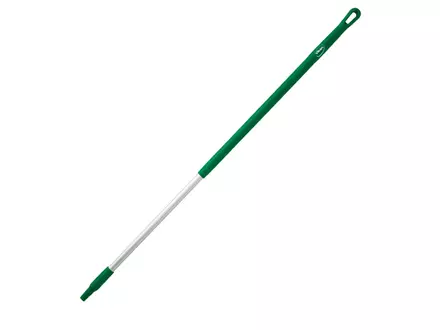
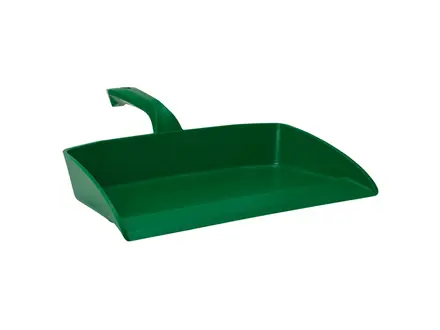
This category includes essential cleaning tools such as hand and floor squeegees, sweepers, brushes, brooms, scrubbers, handles and dustpans. They are indispensable for efficiently removing moisture, dirt and product residues from production and processing areas. By enabling targeted and rapid cleaning, these tools contribute to a clean and safe working environment and help ensure compliance with hygiene and food safety standards.

Prevent cross-contamination between different zones by separating cleaning supplies by production area and production line. Using different colors—for example, for raw meat, cooked products, or allergen-free lines—ensures a clear visual separation of supplies. Everything has a fixed, marked location, making it immediately apparent if items are missing or have been returned to the wrong place. This supports a controlled workflow, audit readiness, and an HACCP-compliant hygiene policy.
Maintaining hygiene in meat and poultry processing requires a well-thought-out cleaning and disinfection plan, from transportation to production areas and contact surfaces. Effectively removing fats, protein residues, and microorganisms prevents contamination and meets the prevailing hygiene standards. Selecting the right products requires specialist knowledge and coordination, for which we are happy to provide advice. Below you will find an overview of the most commonly used products in this industry.
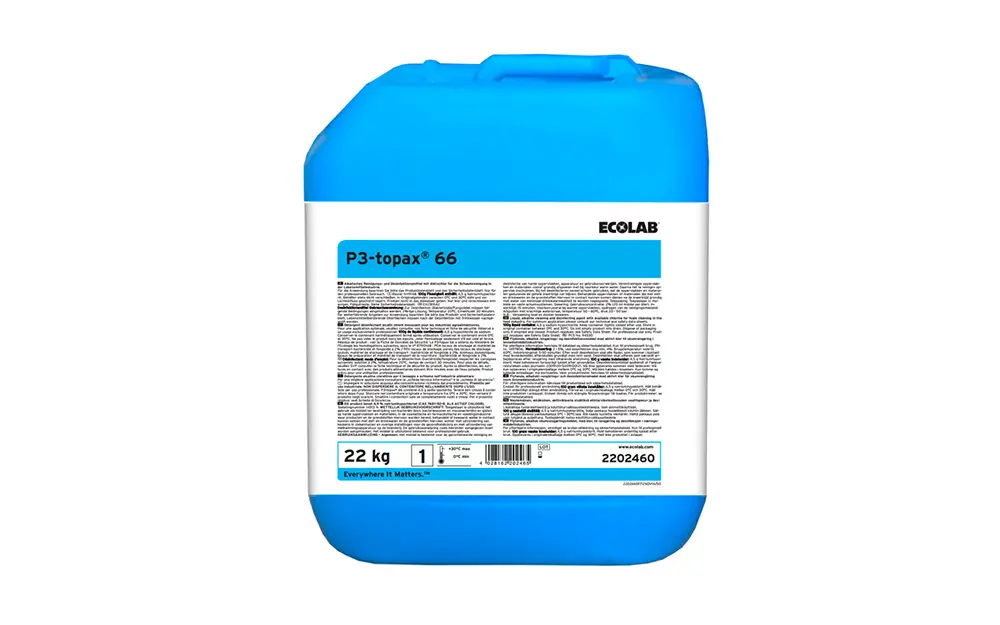
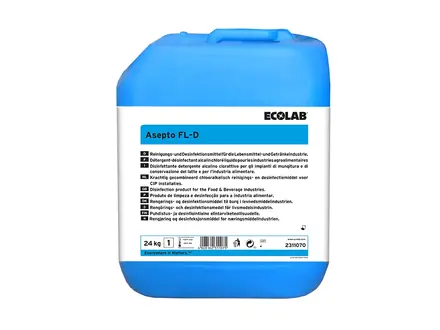
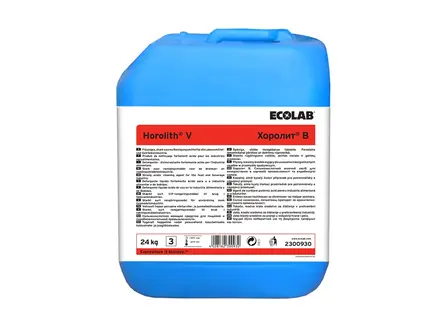
Liquid alkaline cleaner and disinfectant with a foam booster, designed to remove grease and protein contamination from stainless steel and plastic surfaces, tanks, and foaming systems in meat and poultry production environments. It is particularly well-suited for the meat and poultry industry because it contains sodium hypochlorite, which enables it to remove blood stains.
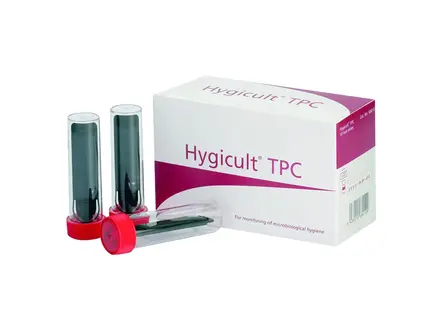
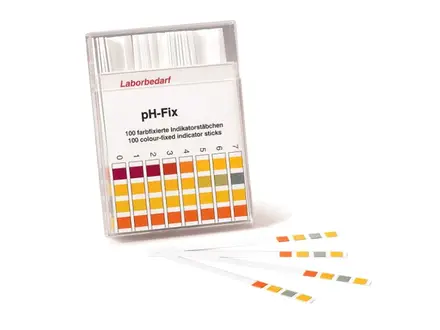
Structurally ensuring hygiene within meat and poultry processing requires more than just carrying out procedures; it requires insight and demonstrability. By monitoring and validating processes and cleaning results, it becomes clear whether measures are truly effective and meet the set requirements. This supports well-founded decision-making, helps identify deviations in a timely manner, and makes compliance with laws and regulations demonstrable for audits and inspections.
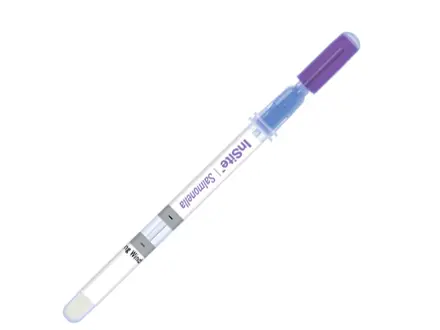
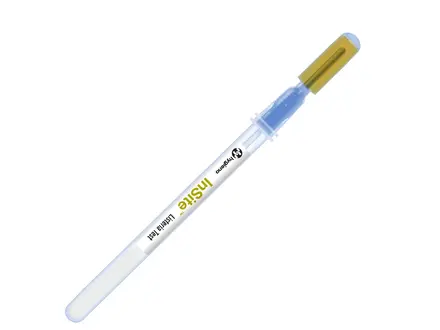
In the meat and poultry industry, food safety, proper labeling, and process control are of the utmost importance. The use of a wide variety of ingredients, marinades, and coatings poses a real risk of allergen cross-contamination. This calls for reliable and rapid testing methods that can be used directly on the production floor.
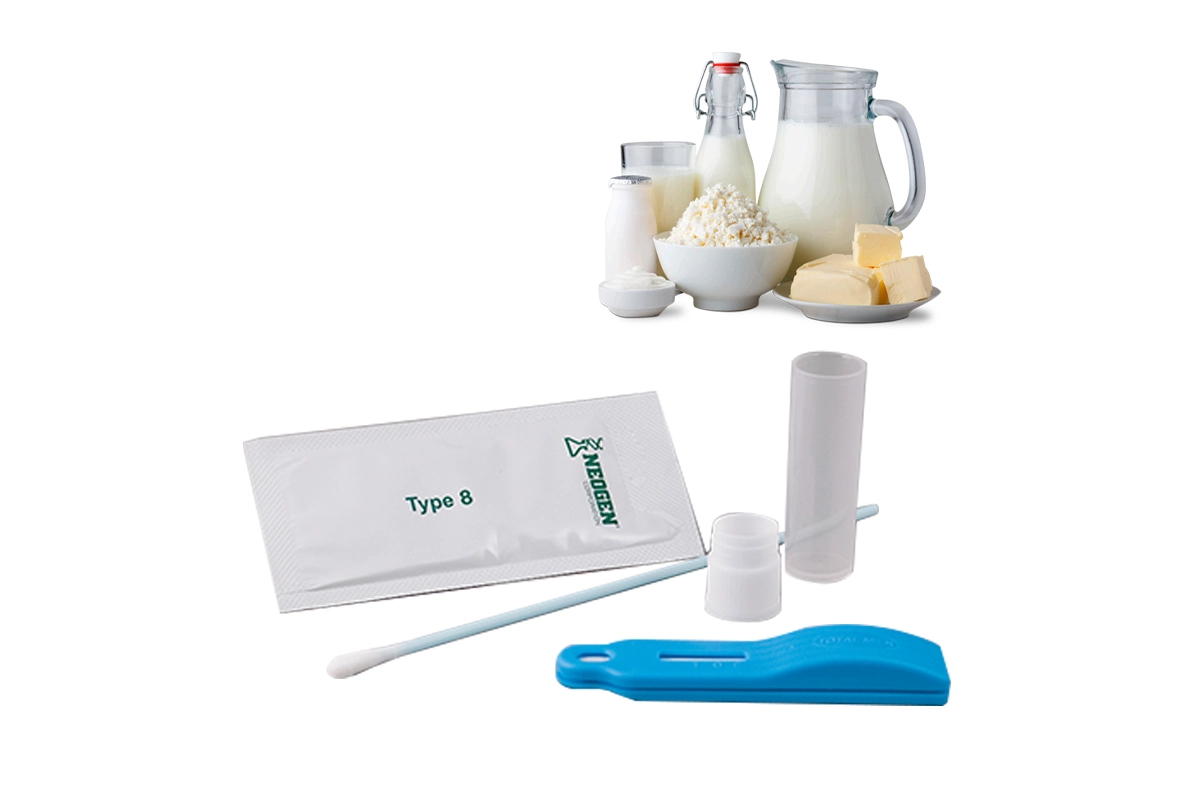
In the meat and poultry industry, this rapid test is used to detect milk protein residues after processing milk-containing ingredients such as marinades, spice blends, or functional additives.
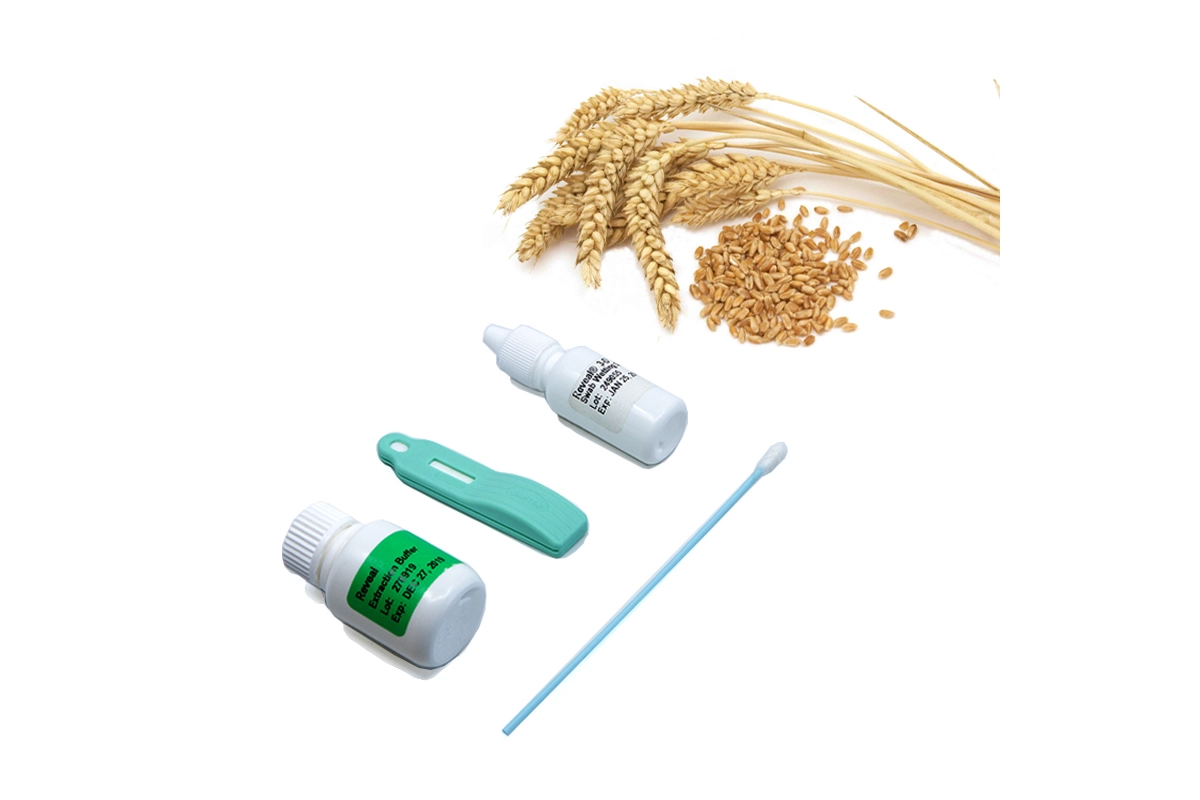
In the meat and poultry industry, this rapid test is used to detect gluten residues after processing gluten-containing ingredients such as breadcrumbs, coatings, or marinades.
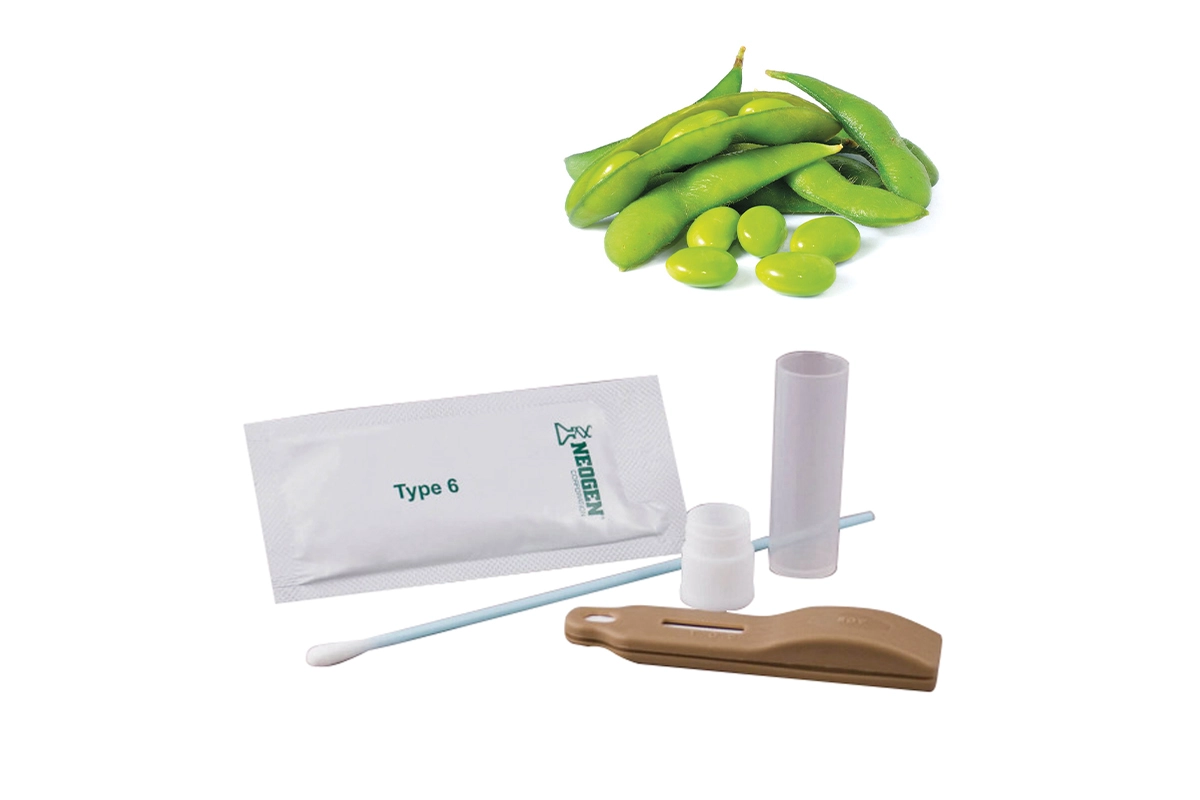
In the meat and poultry industry, this rapid test is used to detect soy residues after processing ingredients containing soy, such as marinades, sauces, spice blends, or functional additives.
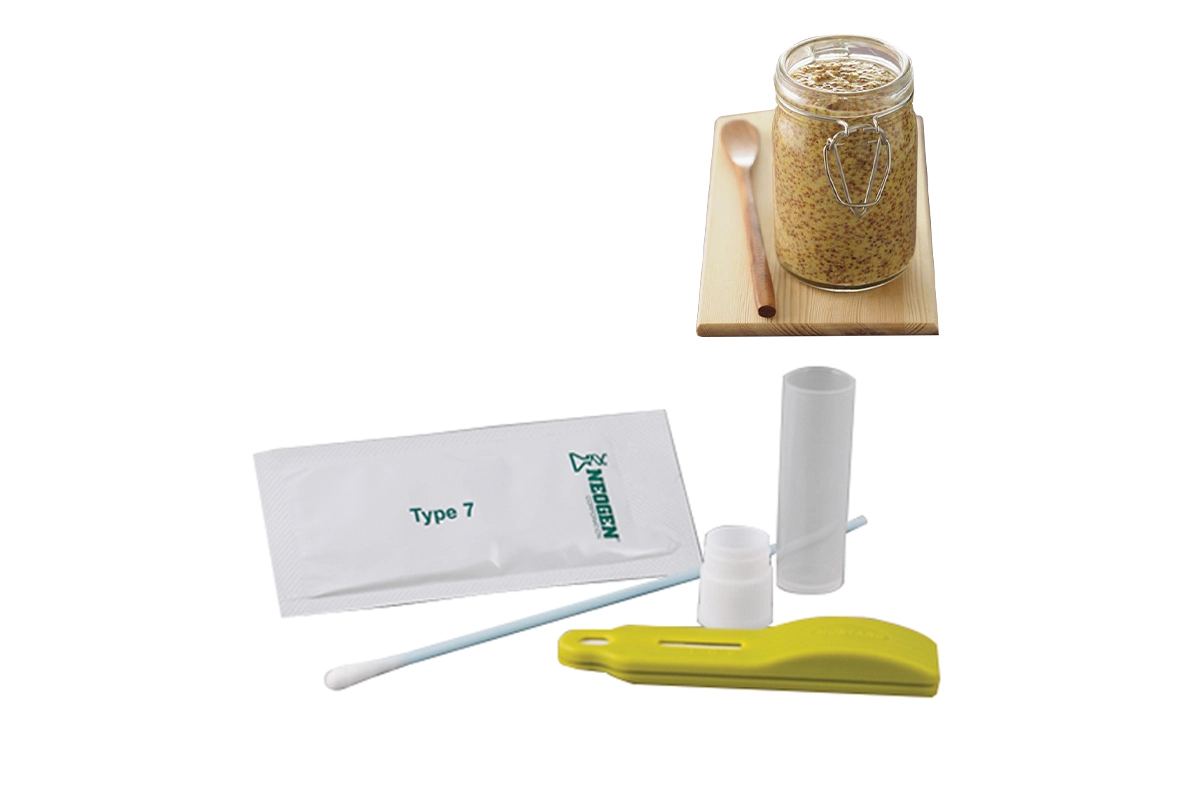
In the meat and poultry industry, this rapid test is used to detect mustard residues after processing mustard or marinades and spice blends containing mustard.
In the meat and poultry industry, this test is used as a rapid check to detect protein residues on surfaces after cleaning. The presence of proteins may indicate potential allergens and provides insight into the effectiveness of the cleaning process.
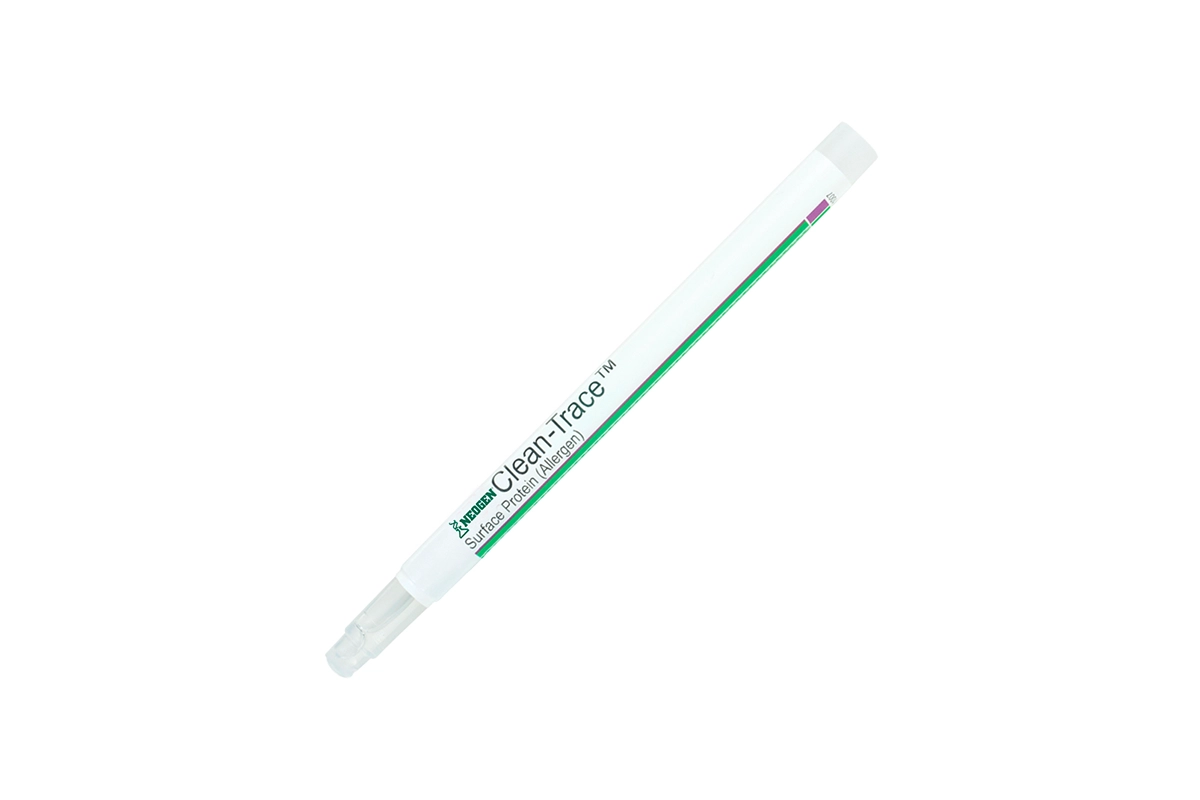
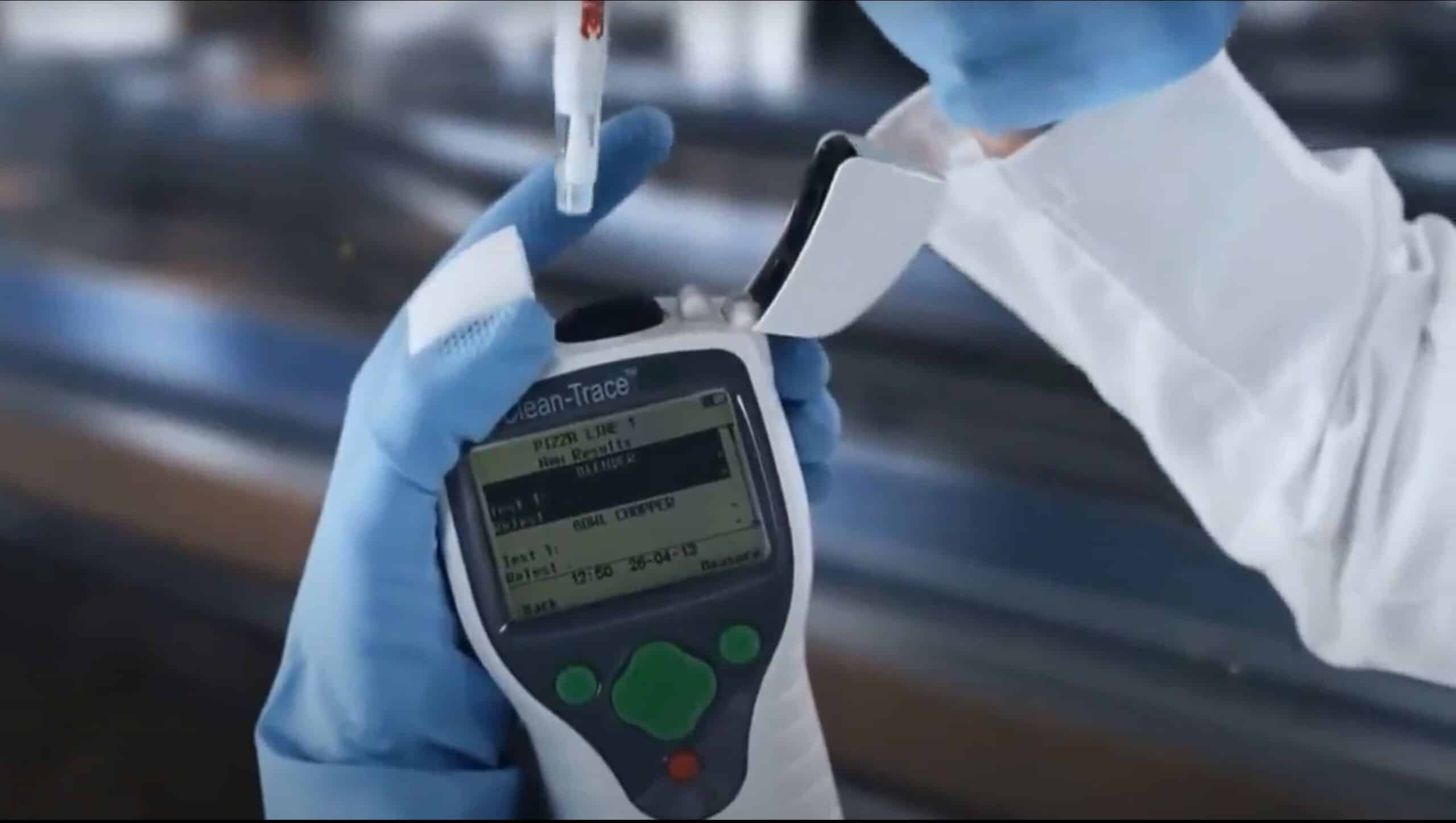
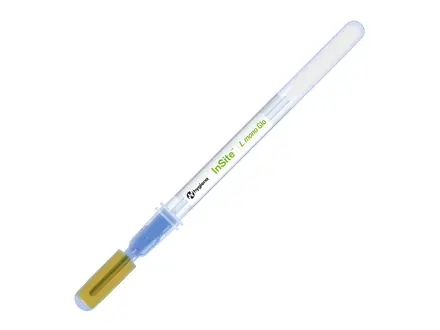
In the meat and poultry industry, it is essential to be able to quickly verify whether surfaces are actually clean after cleaning. ATP measurements provide immediate insight into the presence of organic residues and thus support the assurance of hygiene, food safety, and line clearance. Want to learn more about how ATP testing works and how to effectively incorporate it into your hygiene policy? Visit our blog page to read more about this and discover practical solutions from our product line for performing reliable ATP tests.
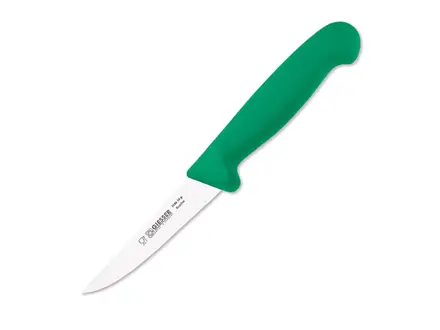
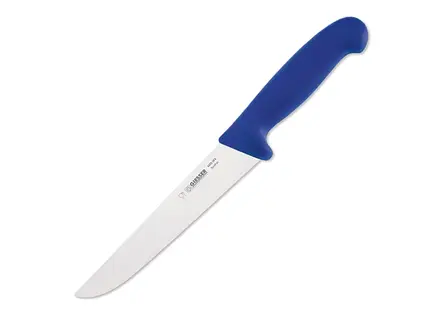
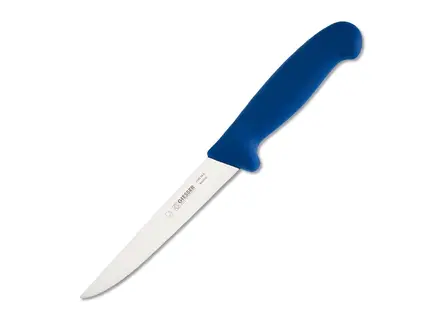
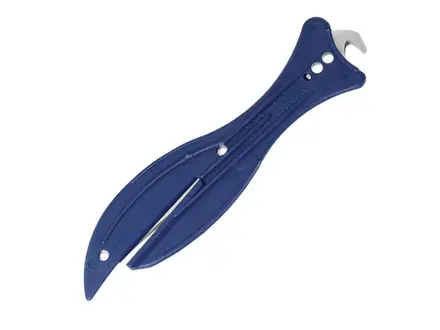
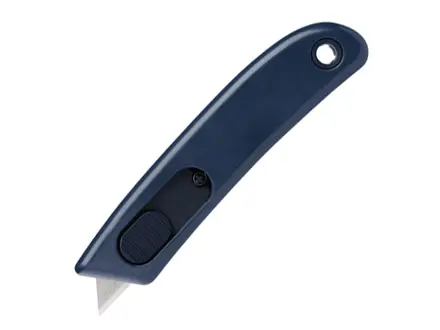
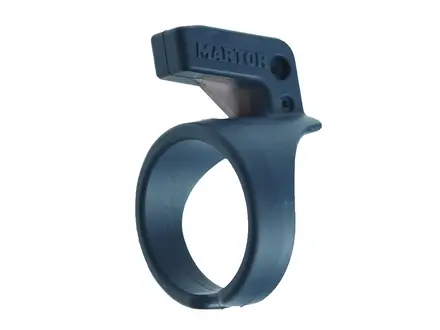
Efficient work in meat and poultry processing requires reliable and well-maintained tools. Daily intensive cutting work demands high standards for precision, safety, and ergonomics, while ensuring continuity in the production process. By using appropriate cutting tools and facilitating good maintenance, unsafe situations are minimized, product quality remains consistent, and employees can perform their tasks in a controlled and responsible manner.
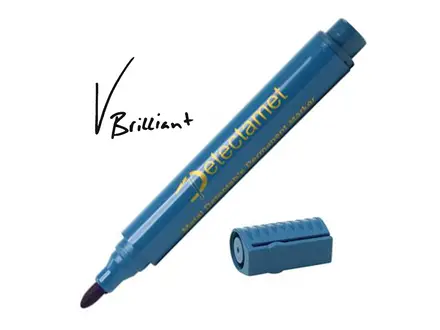
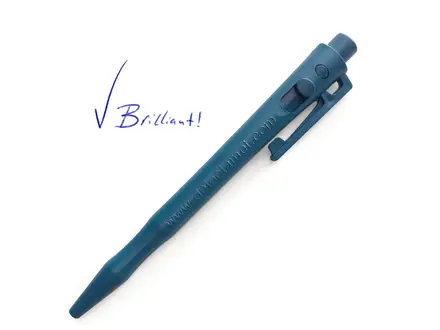
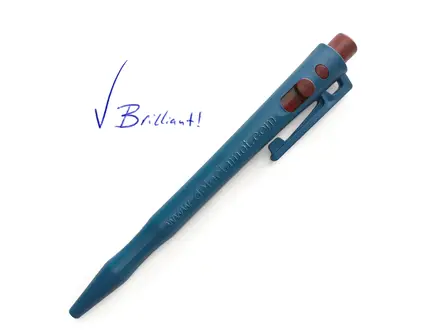
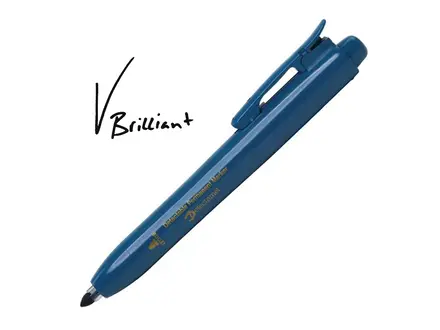
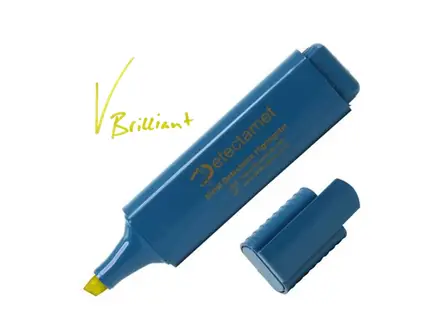
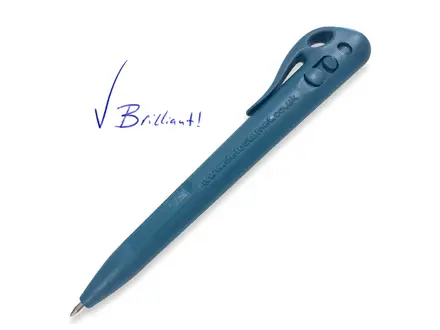
In the meat and poultry processing industry, it is important that tools in the production environment do not pose a risk to product safety. Writing and marking tools used on the production floor must therefore be designed so that any broken parts can be quickly identified and traced. By working with detectable solutions, the risk of product contamination is reduced, and the process remains manageable and traceable, in line with current food safety requirements.
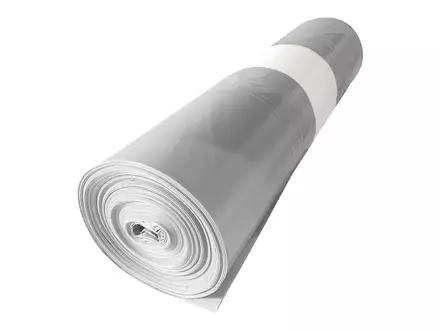
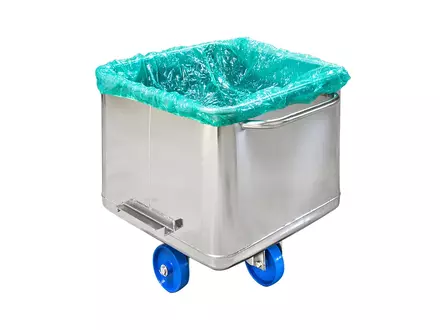
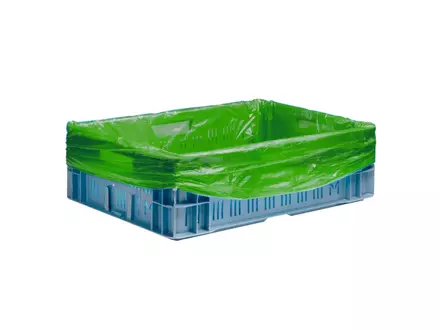
In meat and poultry processing, controlled handling of waste, storage, and internal transport is essential to ensure hygiene. Improper disposal or insufficient covering can lead to contamination of workspaces, materials, or products. By managing waste streams in a structured manner and shielding goods during storage and transport, contamination is prevented and the work environment remains organized and manageable.
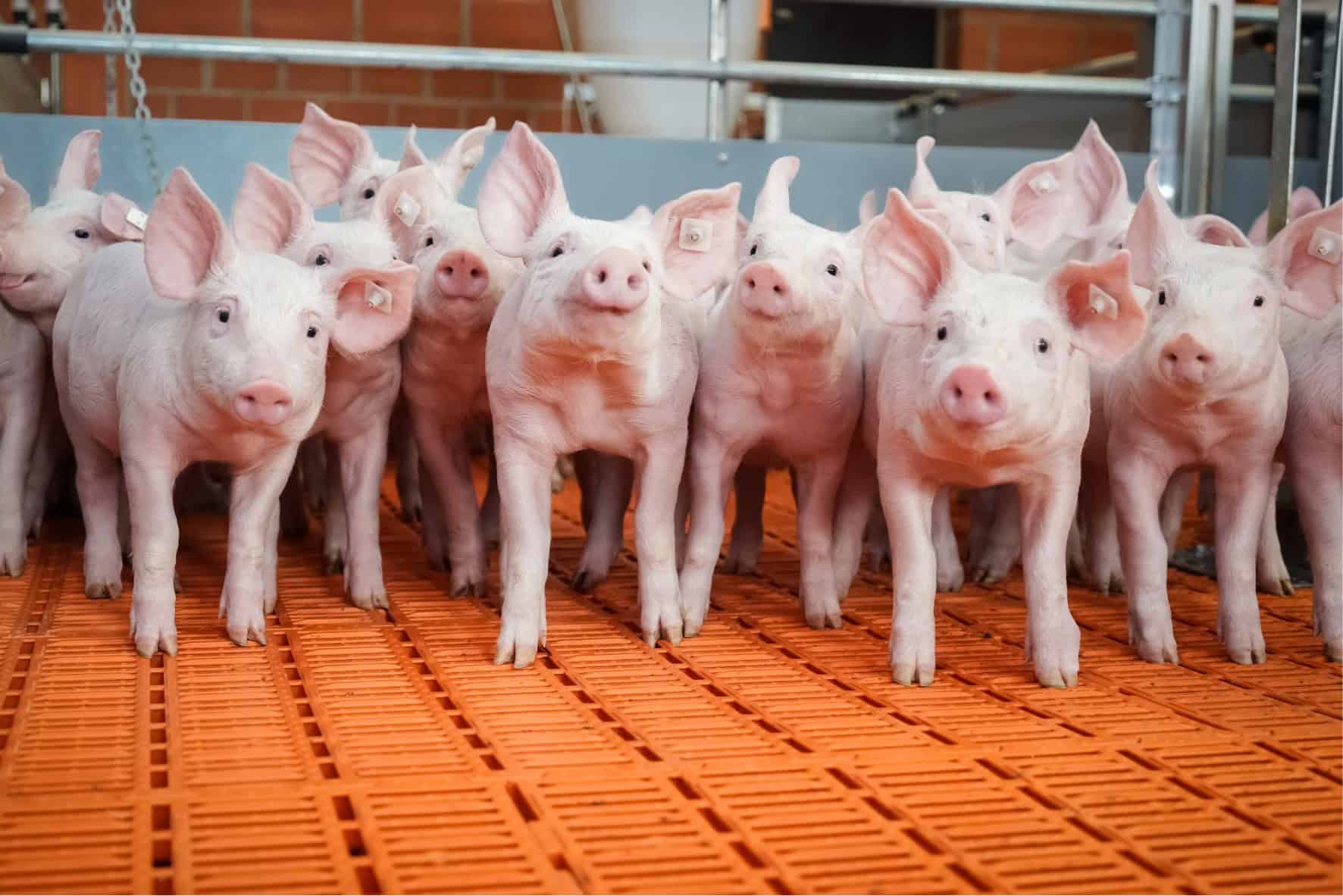
In this blog, you’ll learn how targeted hygiene measures help prevent the spread of African swine fever (ASF). We’ll discuss risks related to transportation, farm hygiene, and farm operations, and how you can effectively help prevent infection.
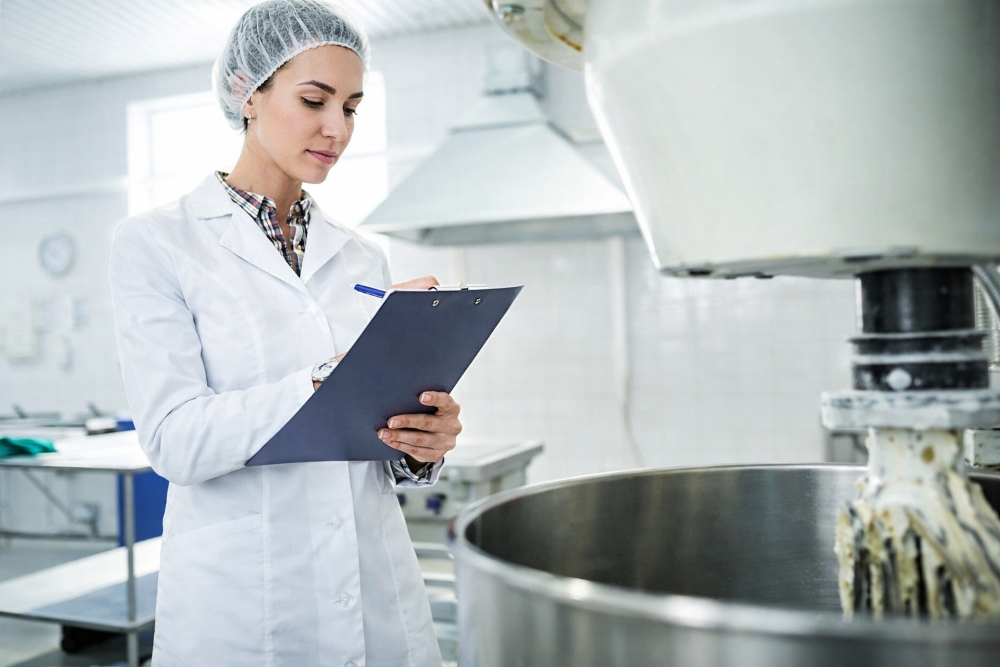
In the food industry, hygiene and safety are of the utmost importance for minimizing risks. With the right product range and practical advice, you can help prevent product recalls, production losses, and unsafe situations.
Whether you’re looking to optimize existing processes or set up a new production line, we work with you to develop solutions that can be implemented immediately on the shop floor.