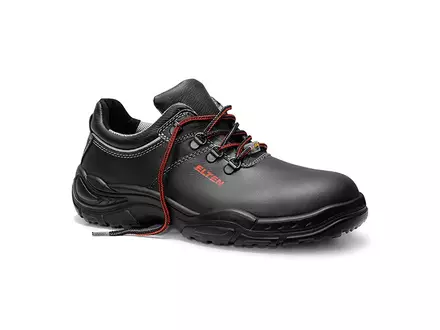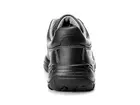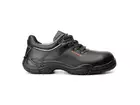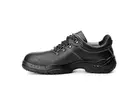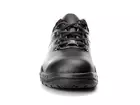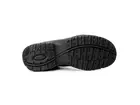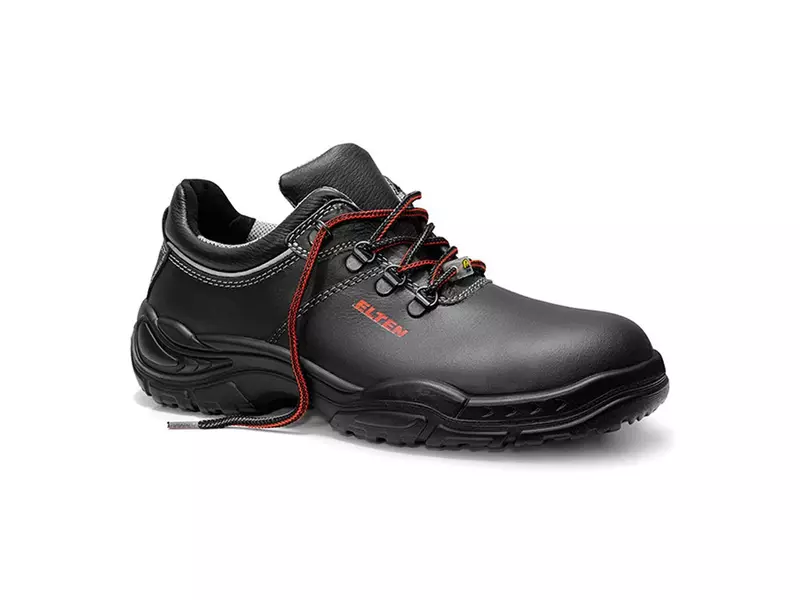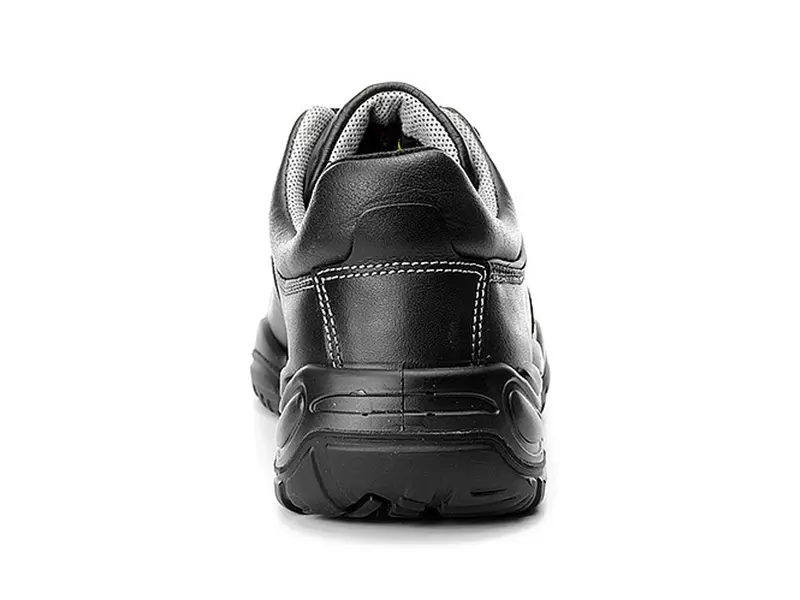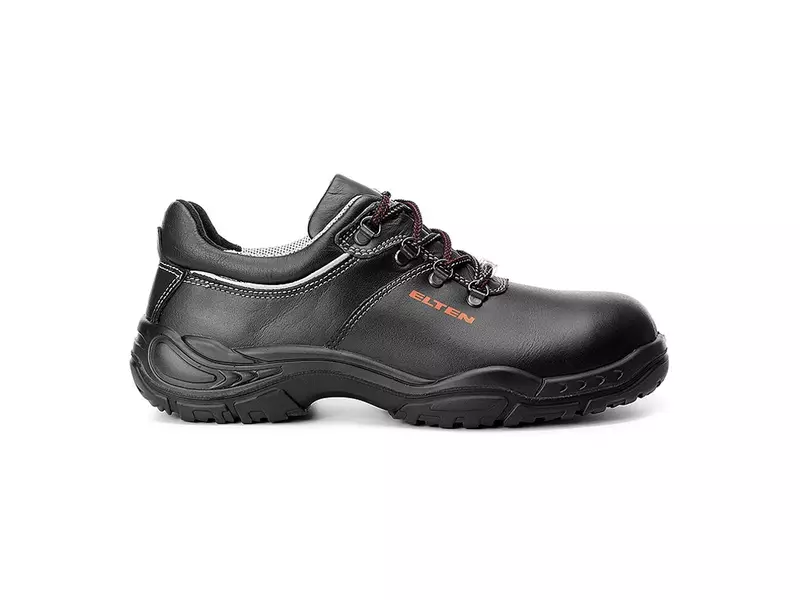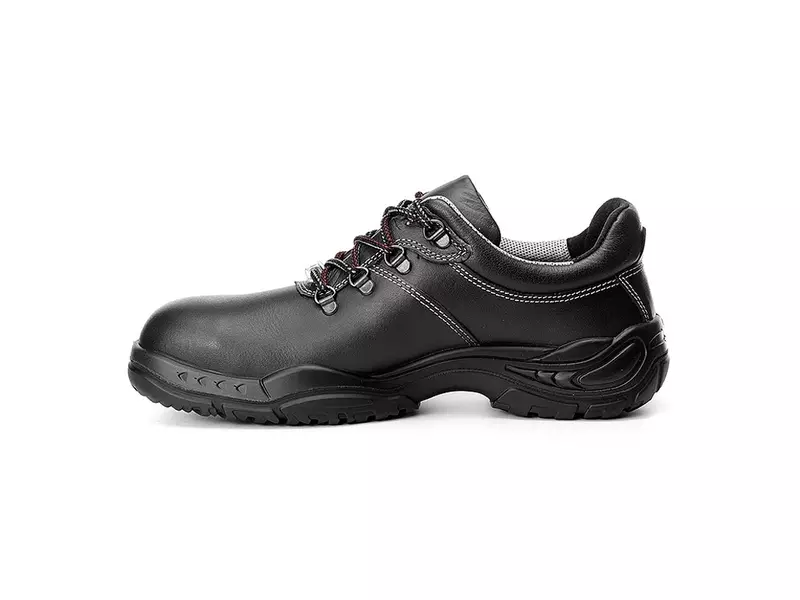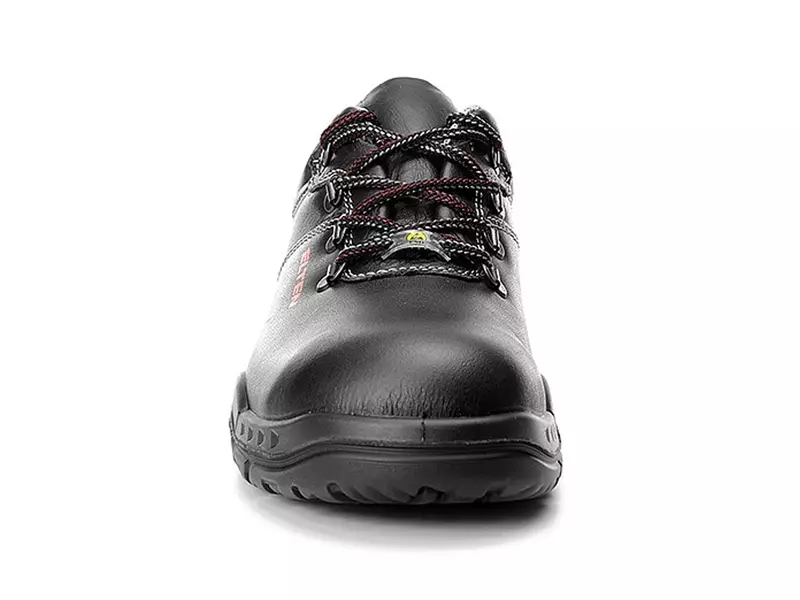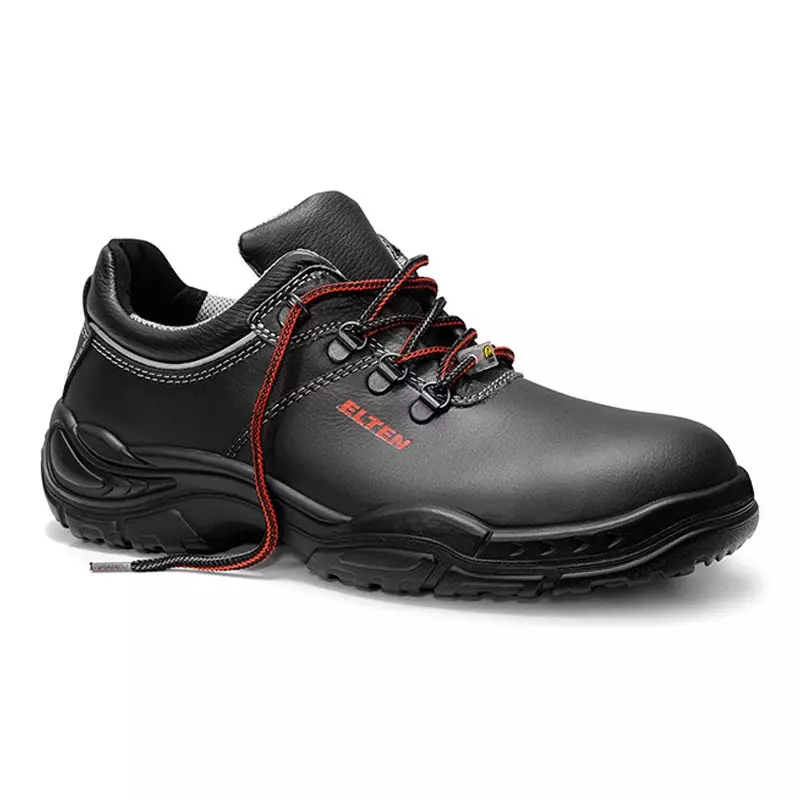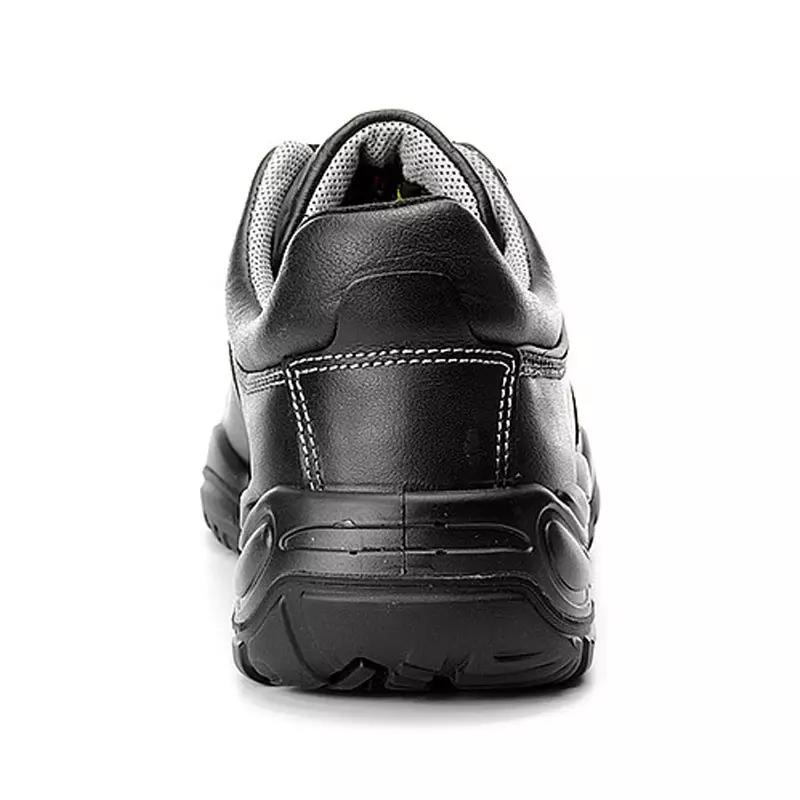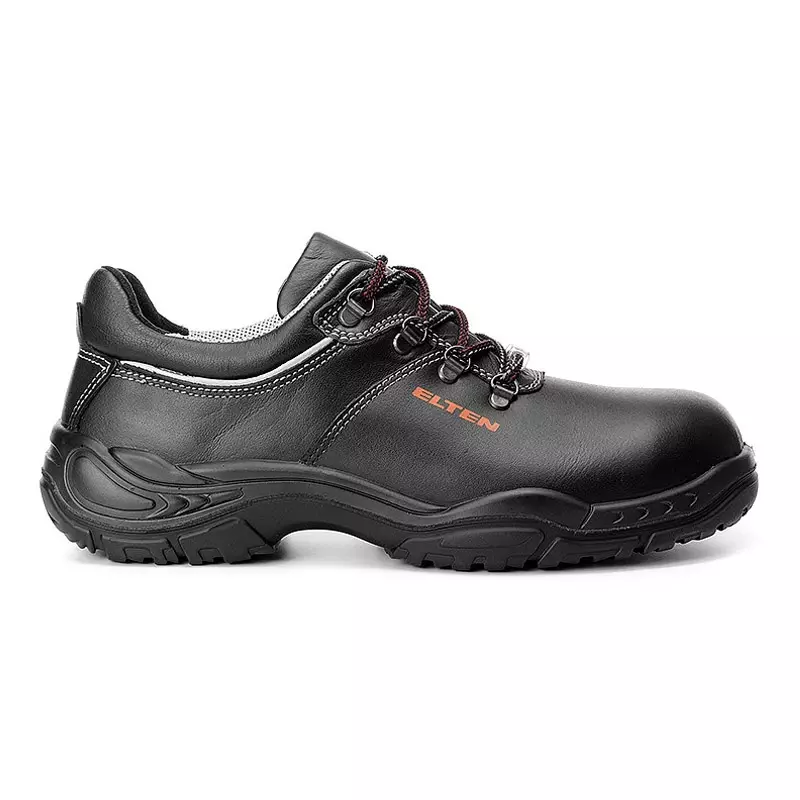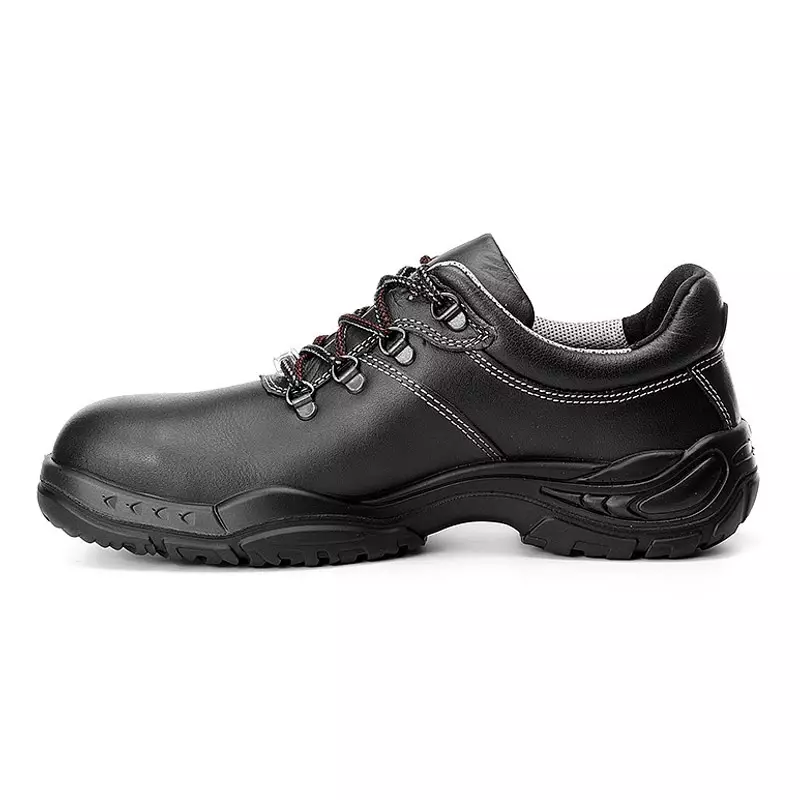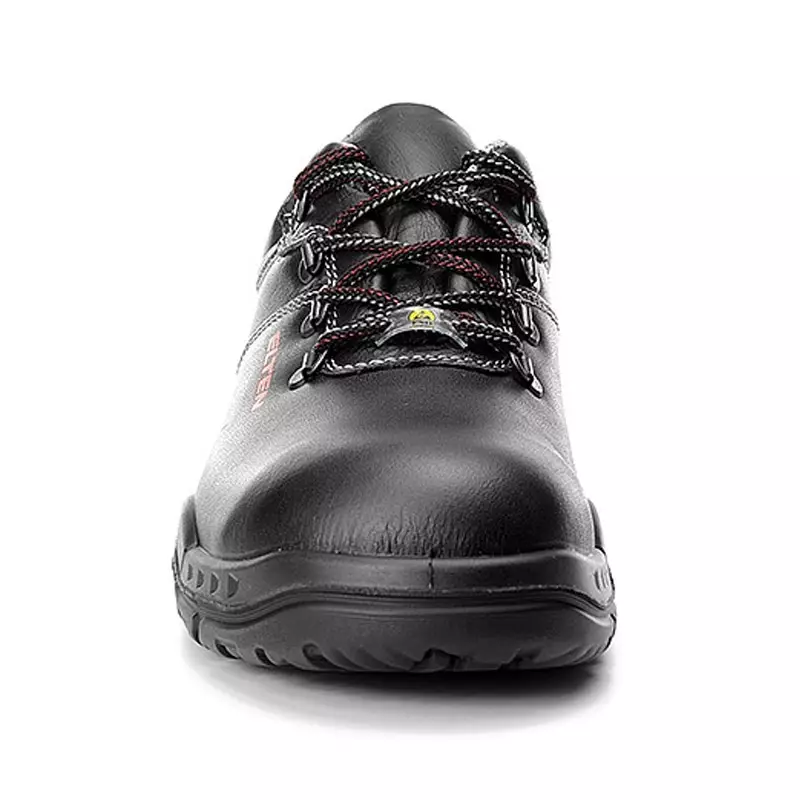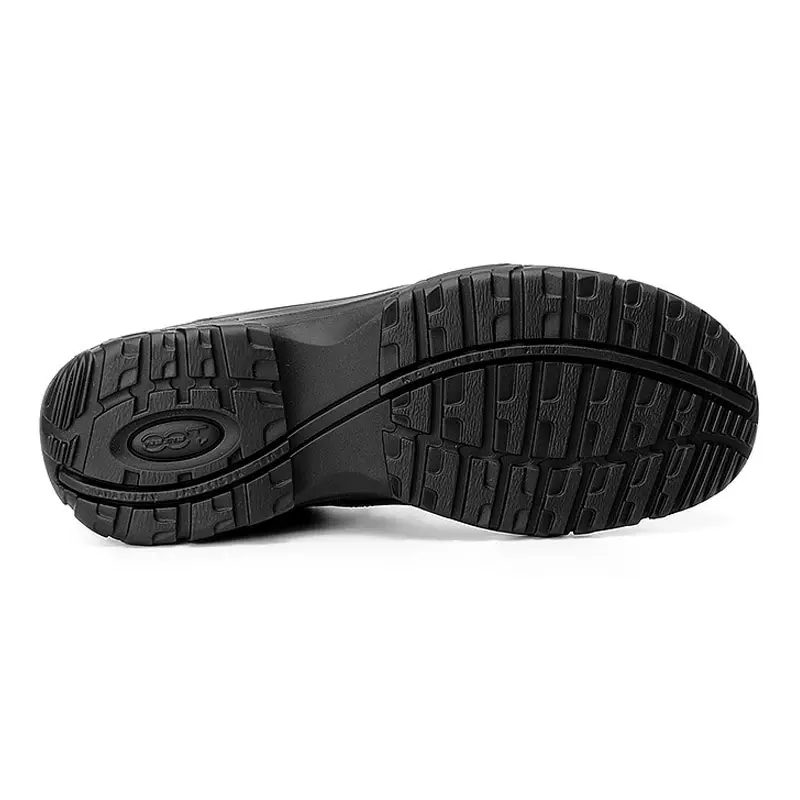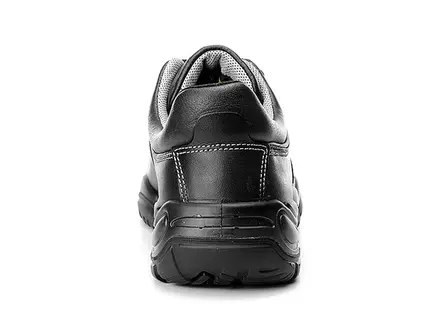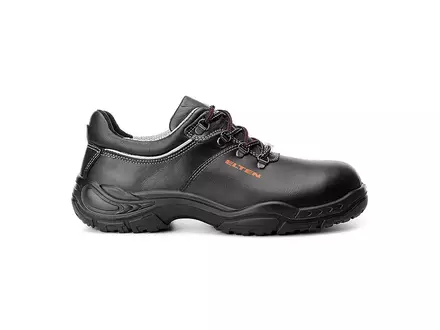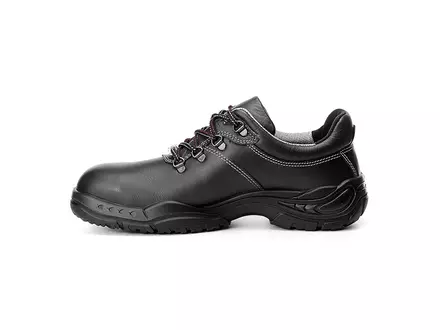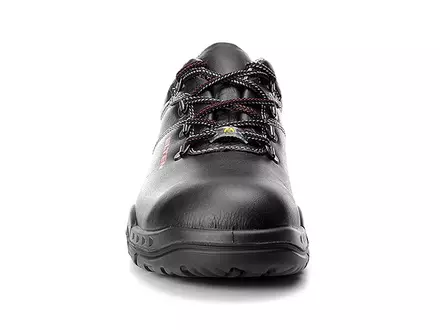

Elten 72061 Toby Low ESD S3 HI HRO safety shoe, low model with a steel toe cap. Safety classification S3 and an SRC anti-slip sole. Made of cowhide leather with a breathable textile lining. Features a steel penetration protection midsole. Heat insulating (HI) and a heat-resistant sole (HRO).
- Comfortable low safety shoe with a steel protective toe cap.
- Features an S3 safety classification and an SRC anti-slip sole.
- Equipped with a steel penetration protection midsole.
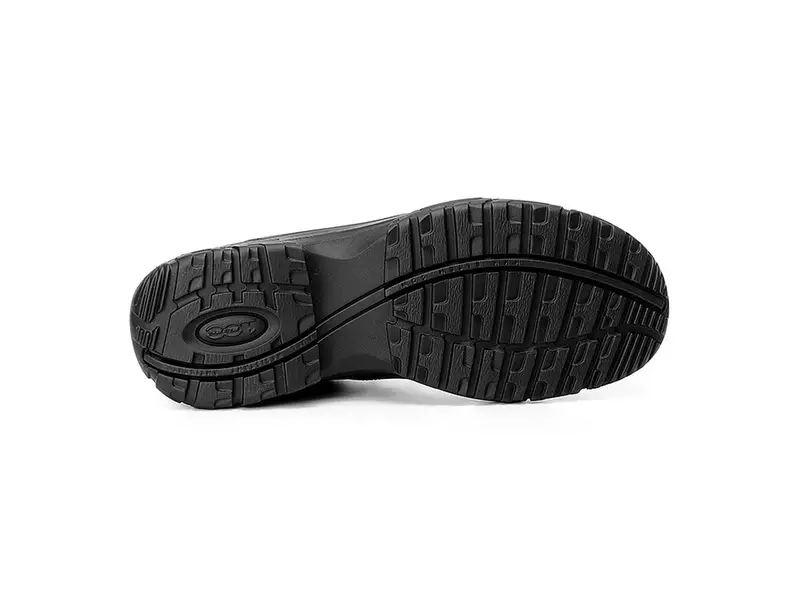
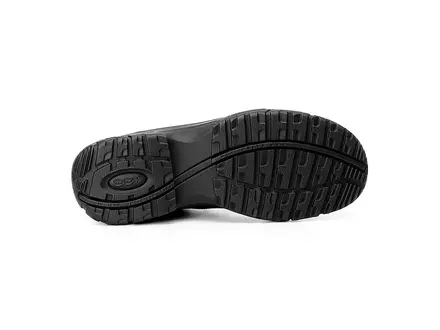
- Thanks to the 3.5 mm deep tread, provides extra good grip on difficult surfaces.
- Made of cowhide leather with a steel cap for extra toe protection.
- Features a coarsely profiled RUBBER/PU sole (SAFETY-GRIP).
- Heat insulating (HI) and a heat-resistant sole (HRO).
- The sole withstands temperatures up to 300°C for a short time and protects against contact heat.
- Features a breathable textile lining.
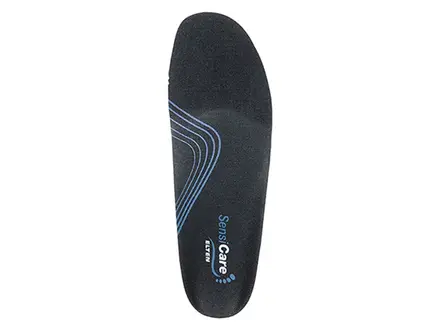
- Features an ESD-compatible soft fleece insole.
- Offers the possibility for orthopedic adjustments and/or arch supports.
- Reflective material provides safety through improved visibility, even in low light.
- Equipped with a full insole (ESD PRO black).
- Equipped with a padded water-resistant tongue.
- Available in sizes 39 to 48.
The Elten Toby Low is equipped with a coarsely profiled RUBBER/PU sole (SAFETY-GRIP) and features a full insole (ESD PRO black). The antistatic properties of the sole allow for working with sensitive equipment. Features an ESD-compatible soft fleece insole, a steel protective toe cap, and a closed, padded flap.
Offers the possibility to fit orthopedic adjustments and/or arch supports to this model in accordance with DGUV standard 112-191. Reflective material provides safety through improved visibility, even in low light. Thanks to the 3.5 mm deep tread, extra good grip on difficult surfaces. Available in sizes 39 to 48.
ESD (electrostatic discharge)You can minimize static electricity by using conductive materials, such as ESD-approved shoes that literally ground you and dissipate static electricity from your body. In this way, you avoid the transfer of static electricity to the material you are working with.